1760W Solar Design & Installation
Part 2 - Installation
A month had passed, and the scheduled installation date had arrived. This client was smart; she secured early-bird pricing before demand skyrocketed, but gave herself (and us) time to get settled in Cali before the job would begin. It also gave her a chance to watch as this company grew from ‘the new kid on the block’ to the name associated with high quality, budget-conscious solar expertise. If we didn’t perform as promised, she’d know ahead of time. But of course, at Solar Ark, such a poor reputation isn’t an option.
Safety is our number one priority, and having a big ego like other electrical installers just isn’t in our schedule. It wasn’t in this ex-emergency responder’s schedule either, and she made a point to cross-check my work to make sure fires weren’t an option. Coincidentally, both this client and I had watched separate RVs burn down within a week of each other. Its a huge tragedy, especially knowing that these fires could have been prevented with a bit more attention to detail. I personally witnessed the one fire start from the battery compartment, inspecting later to find 4/0 cable, 4-5x LiFePO4 batteries, solar panels, and even a still-buzzing inverter. Long story short, electrical fires are avoidable, but only when one is humble and constantly seeking to improve. Because with electricity, there is always more to learn, and one mistake could cost you or someone else their life.
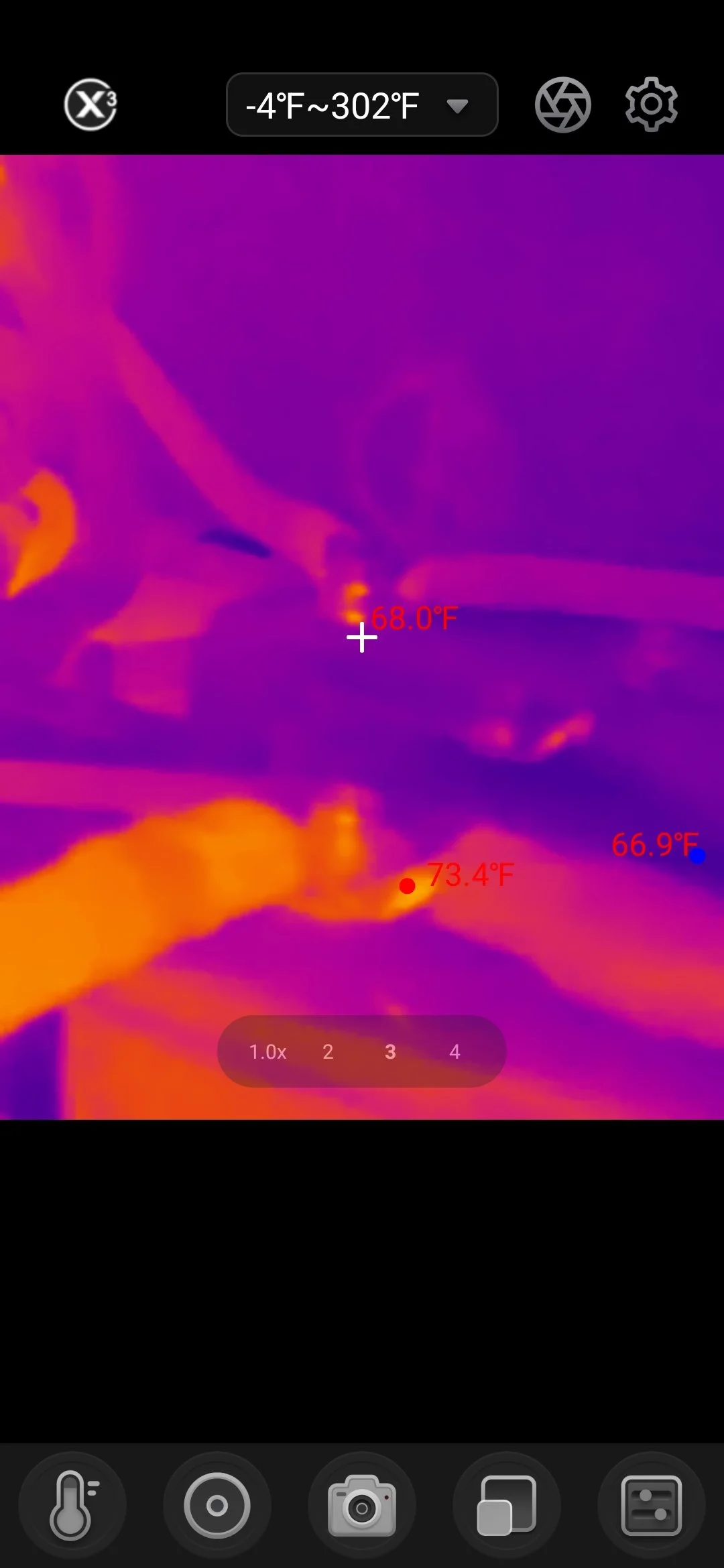
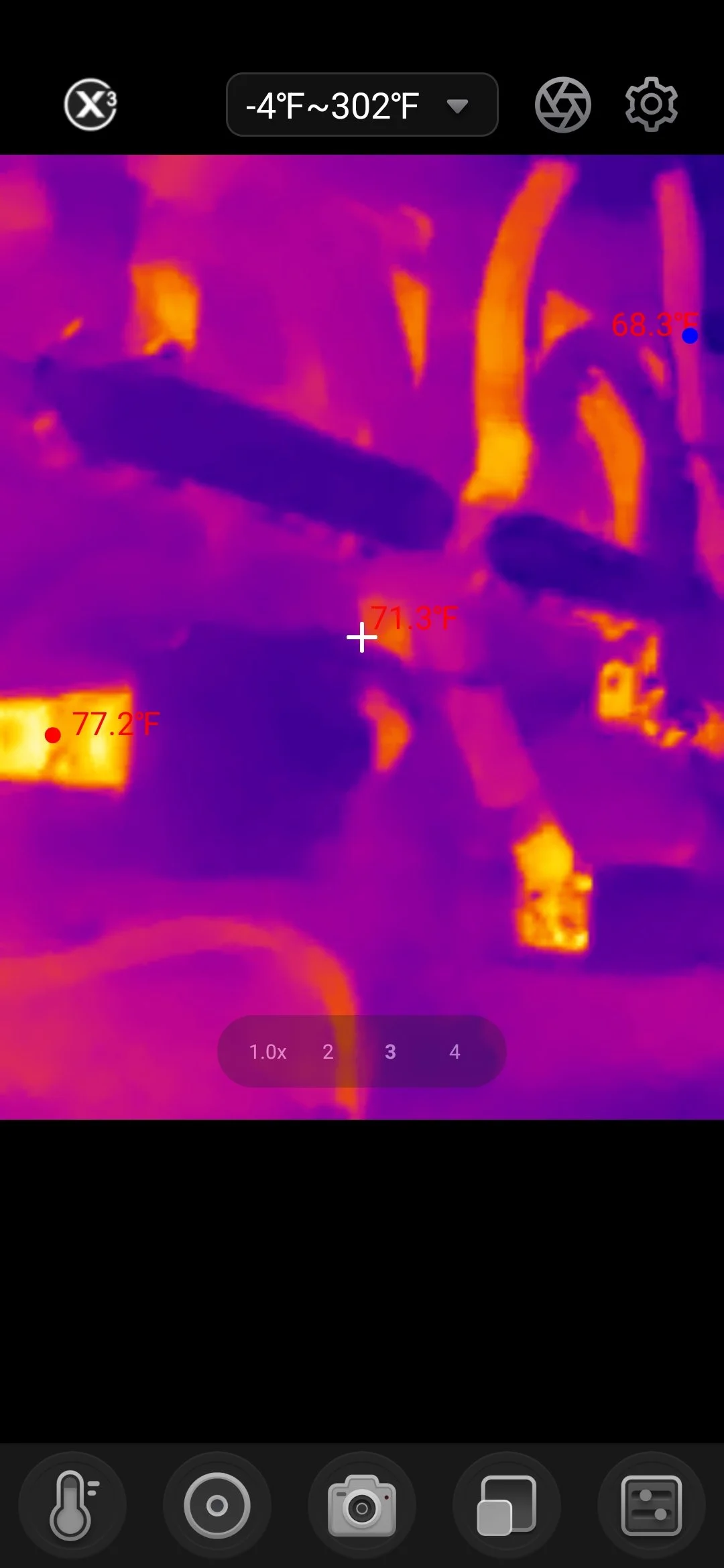
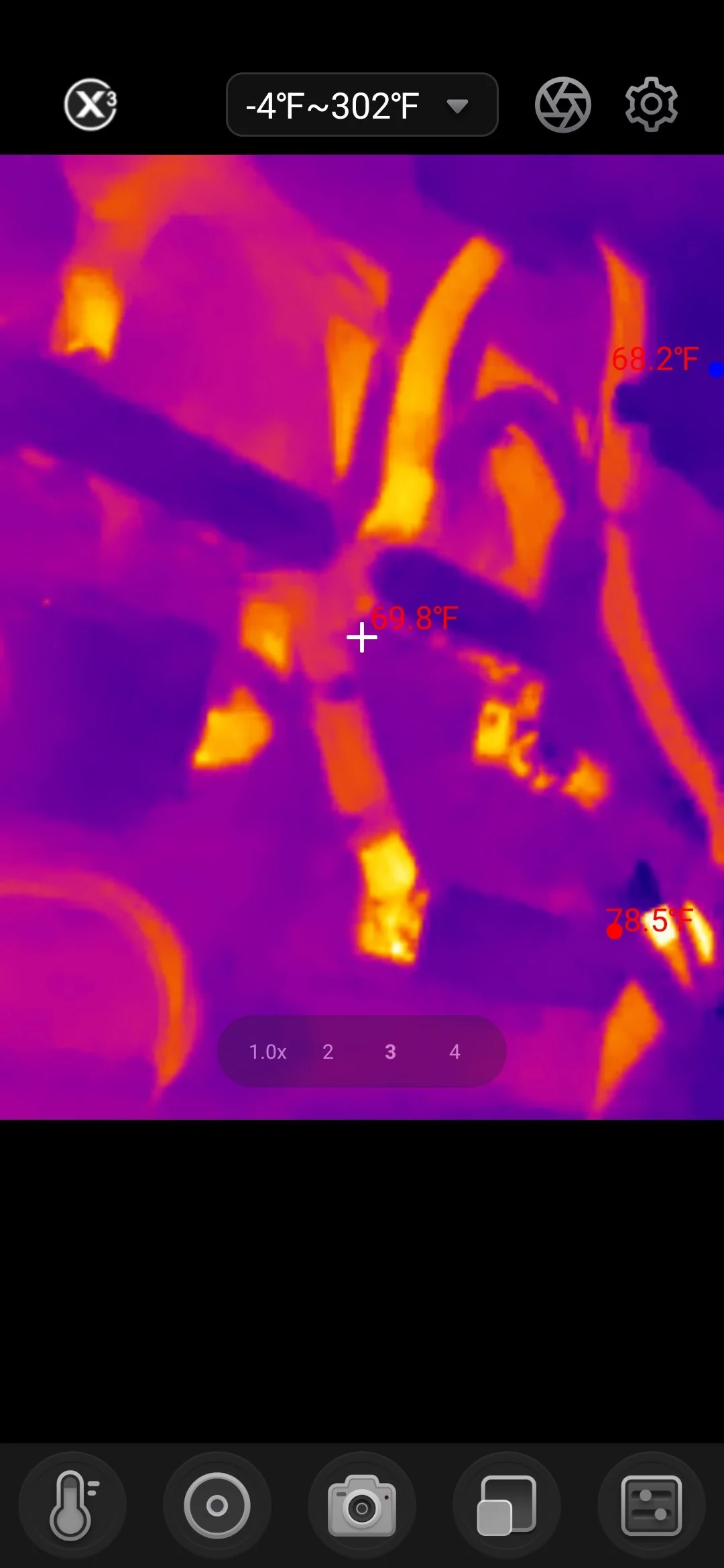
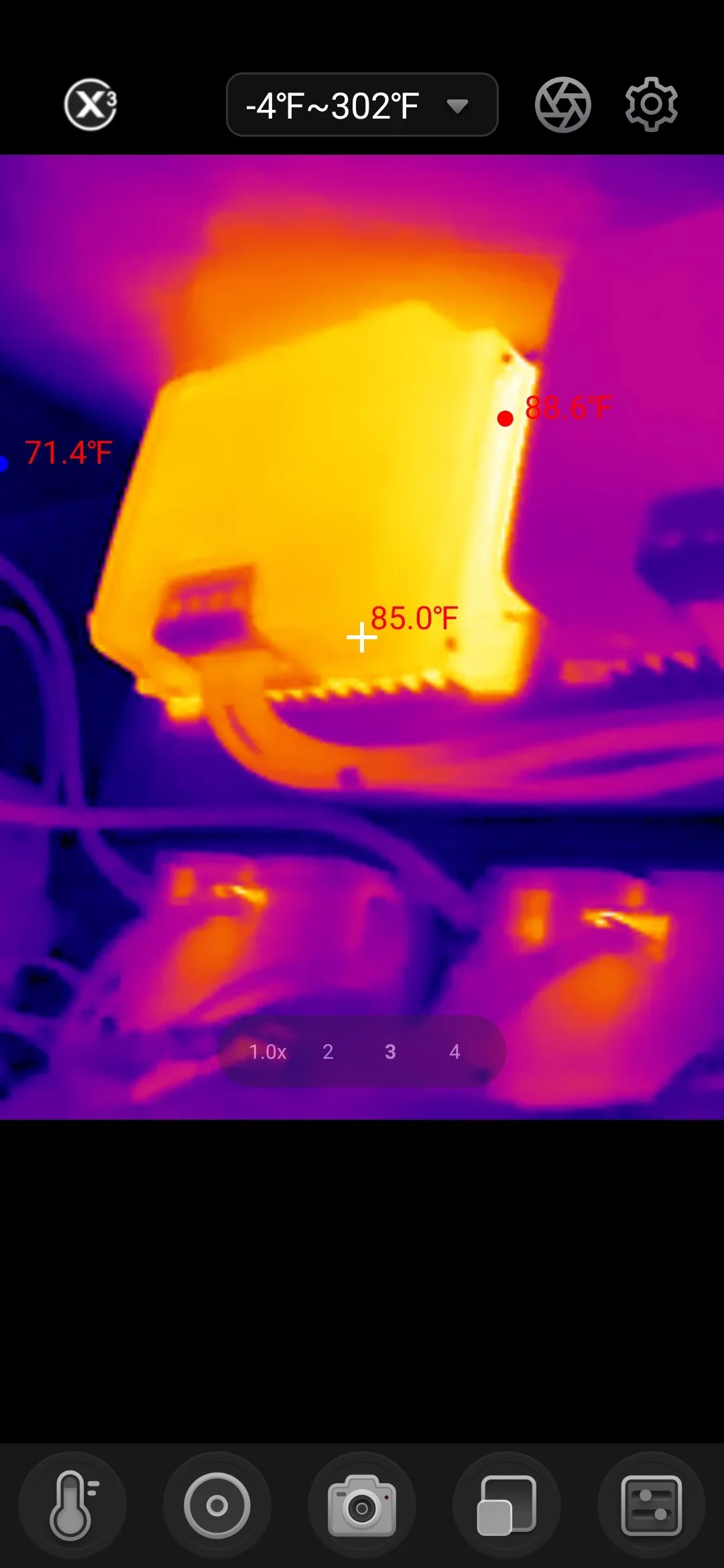
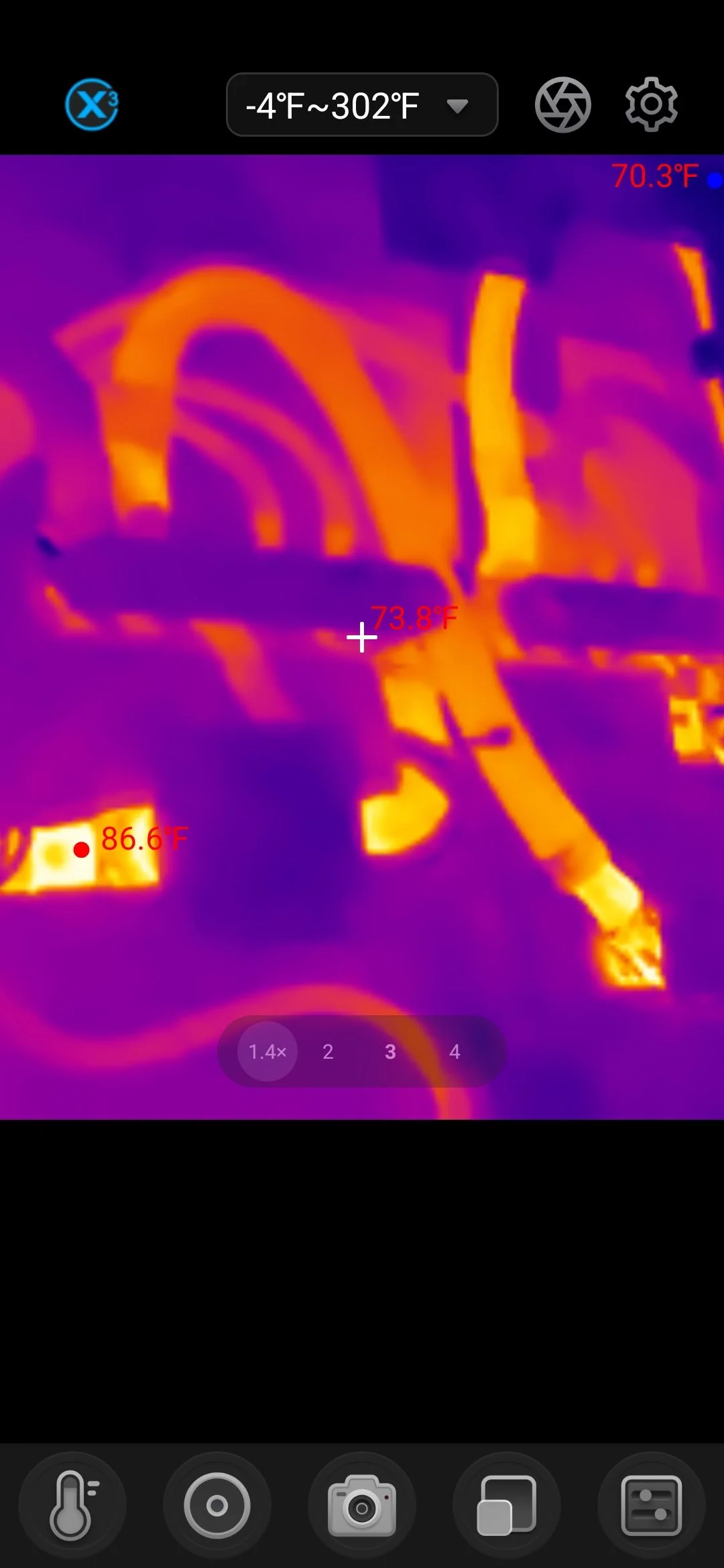
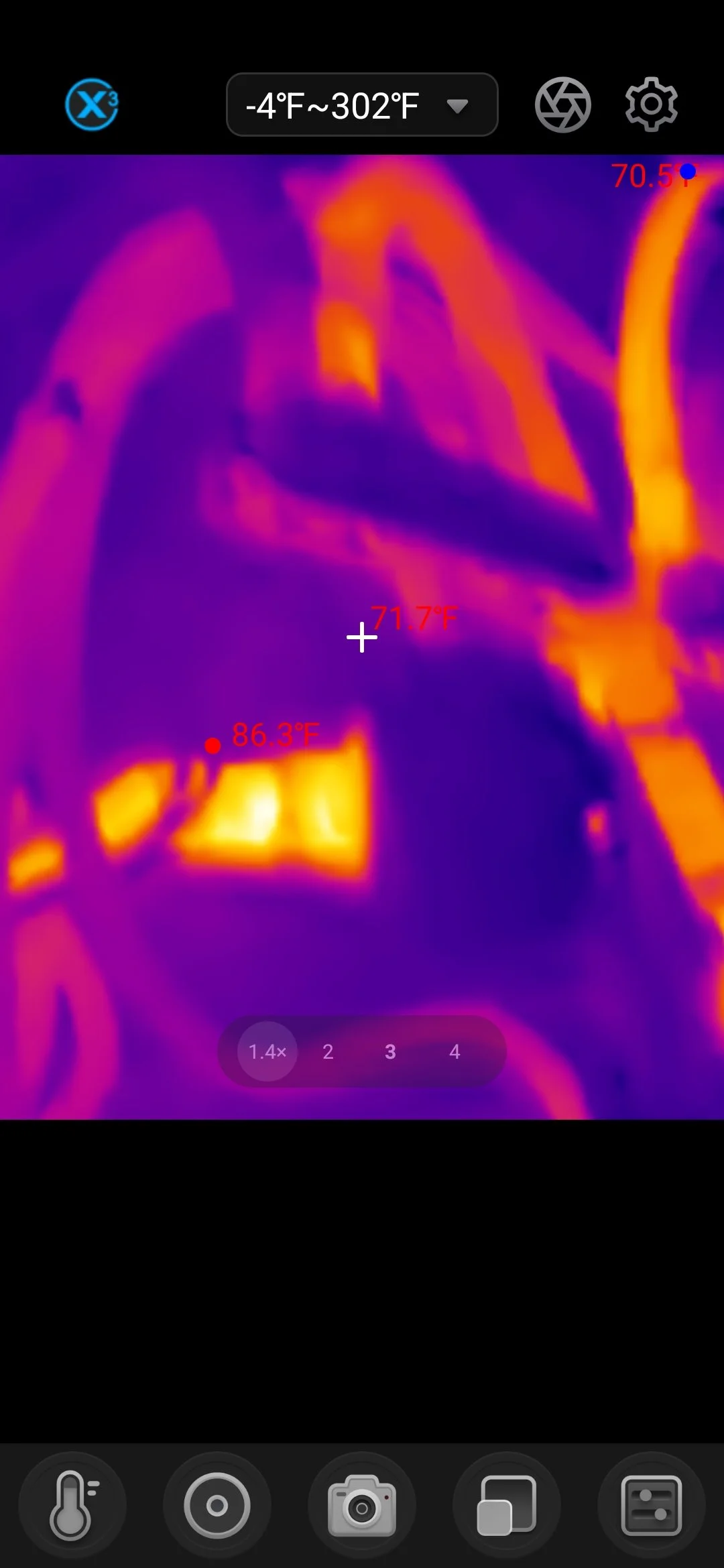
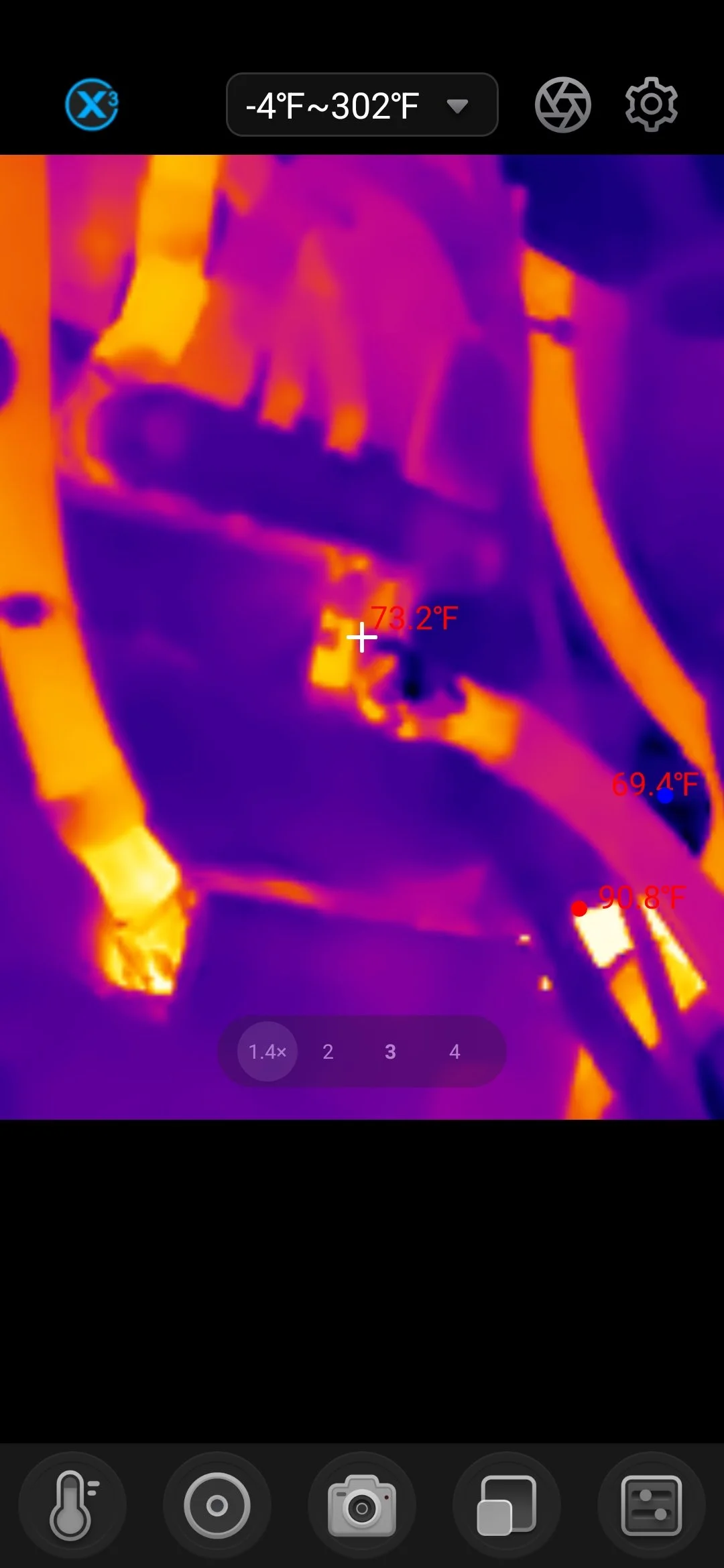
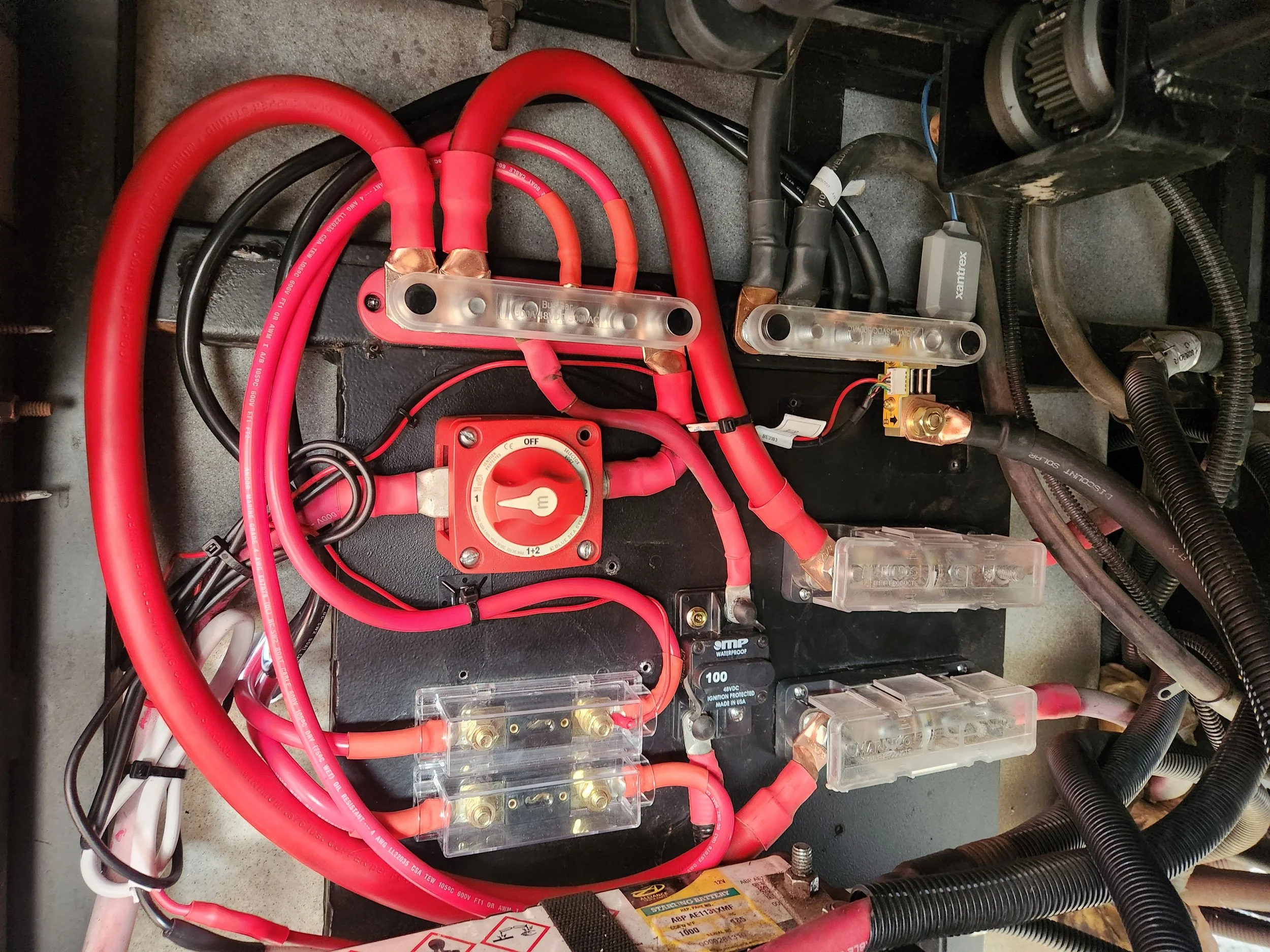
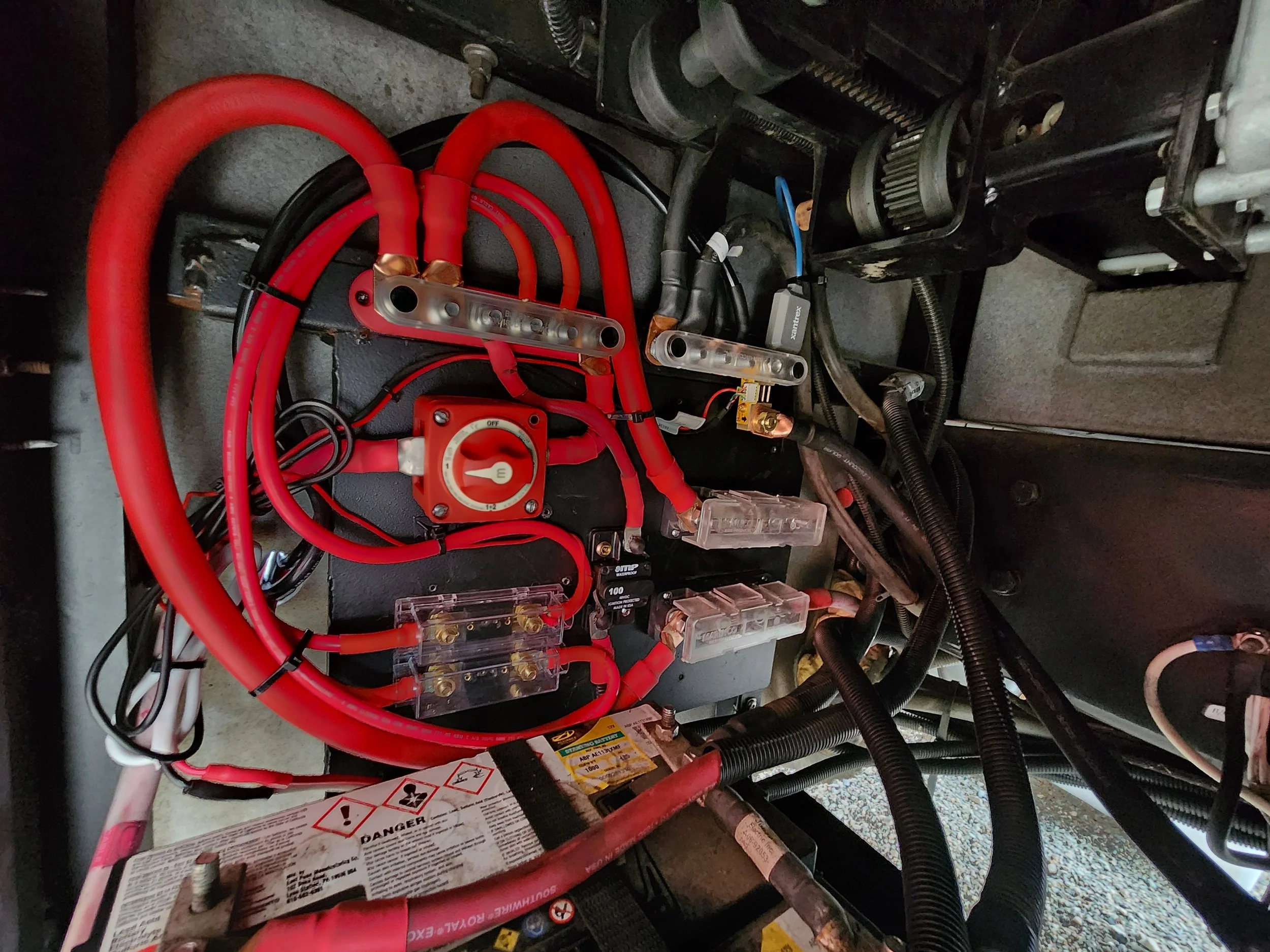
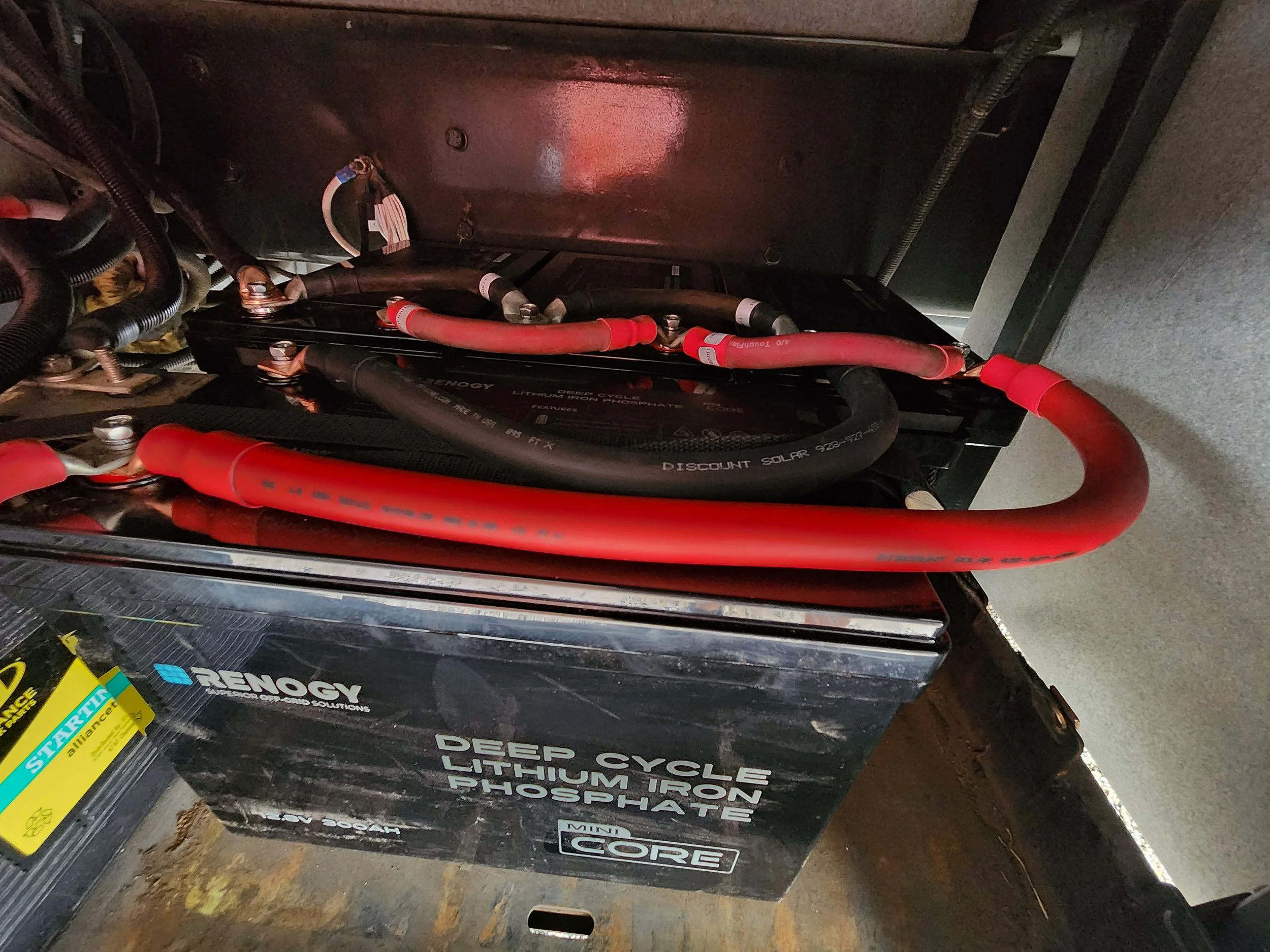
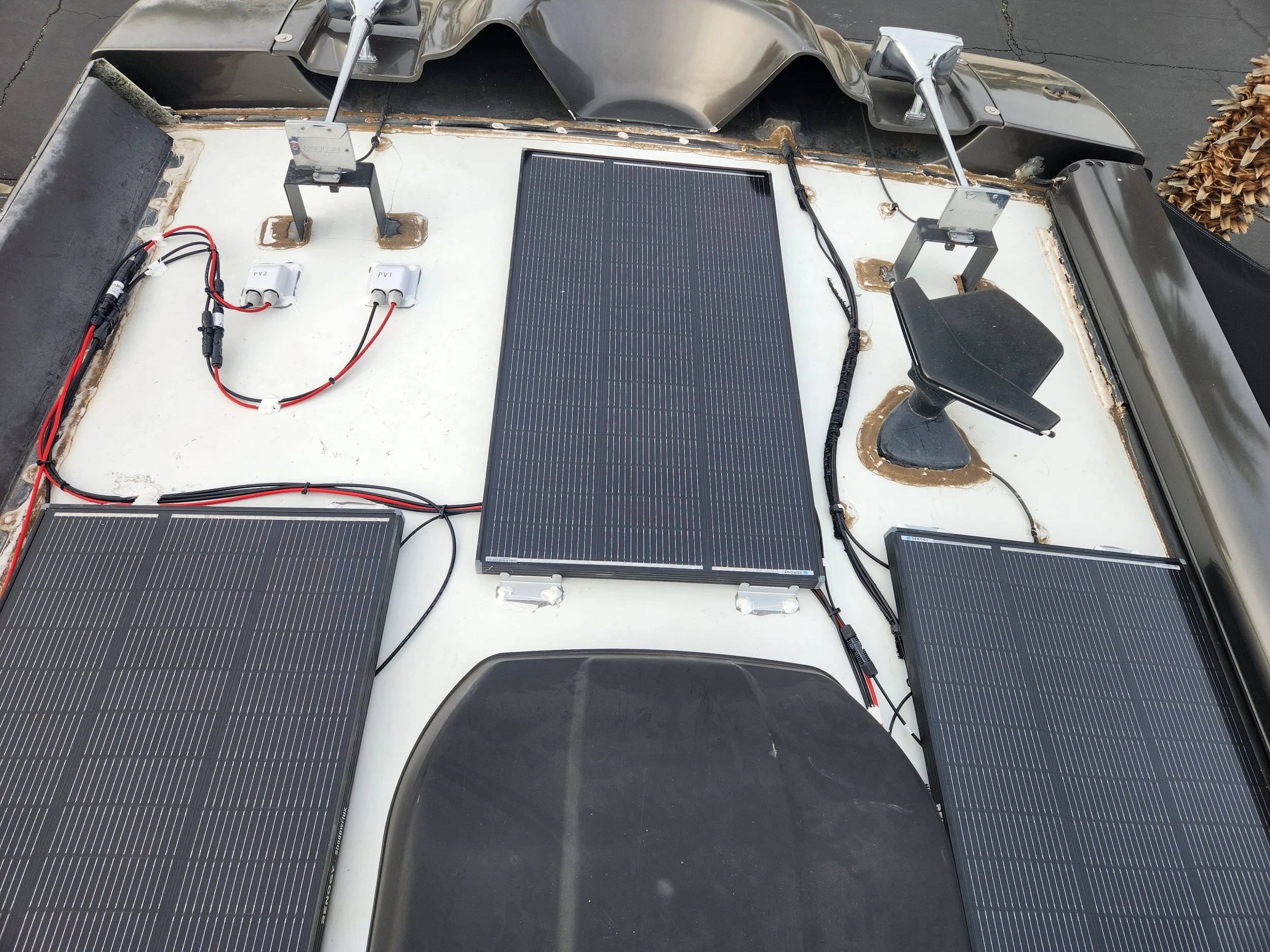
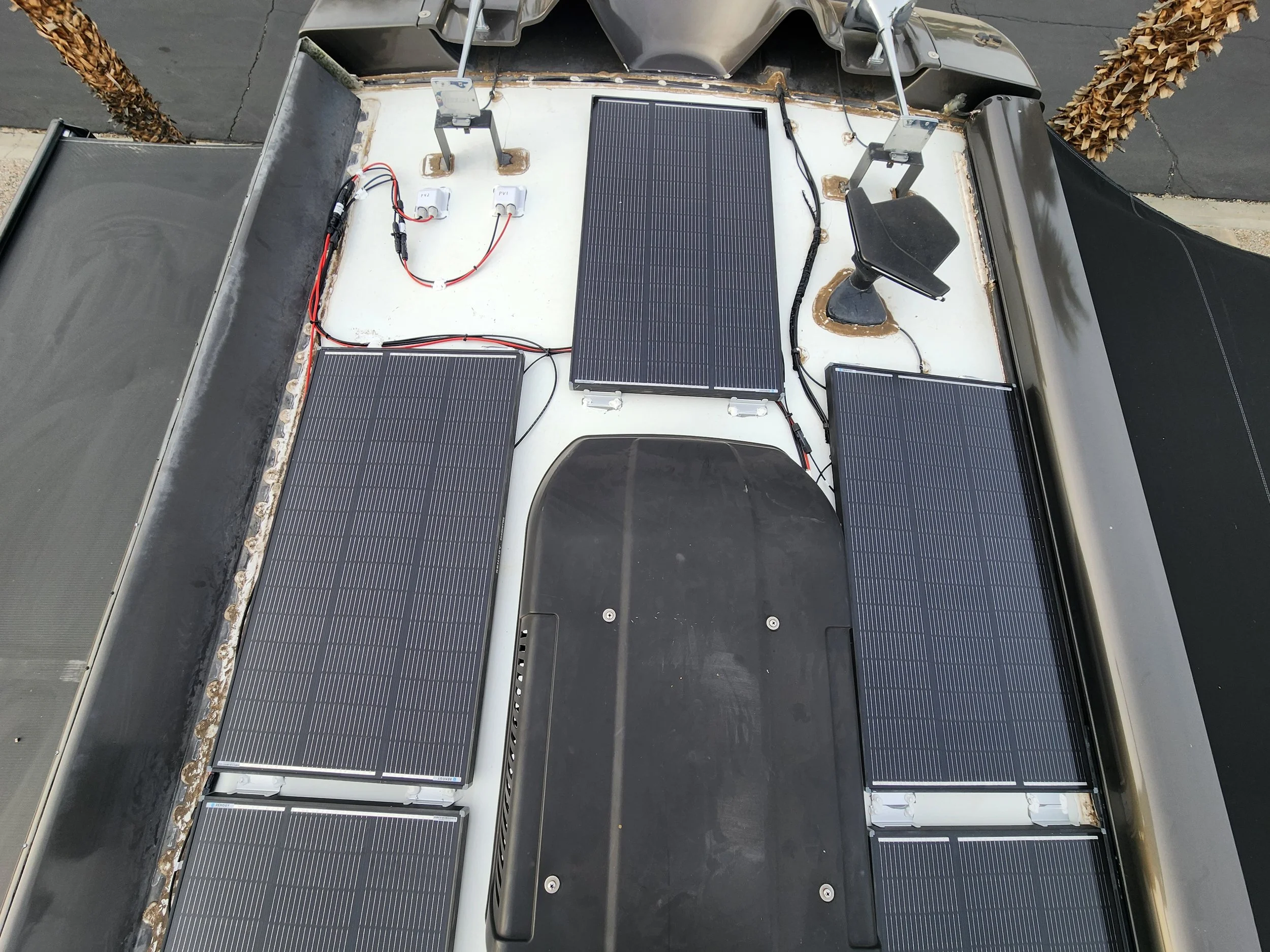
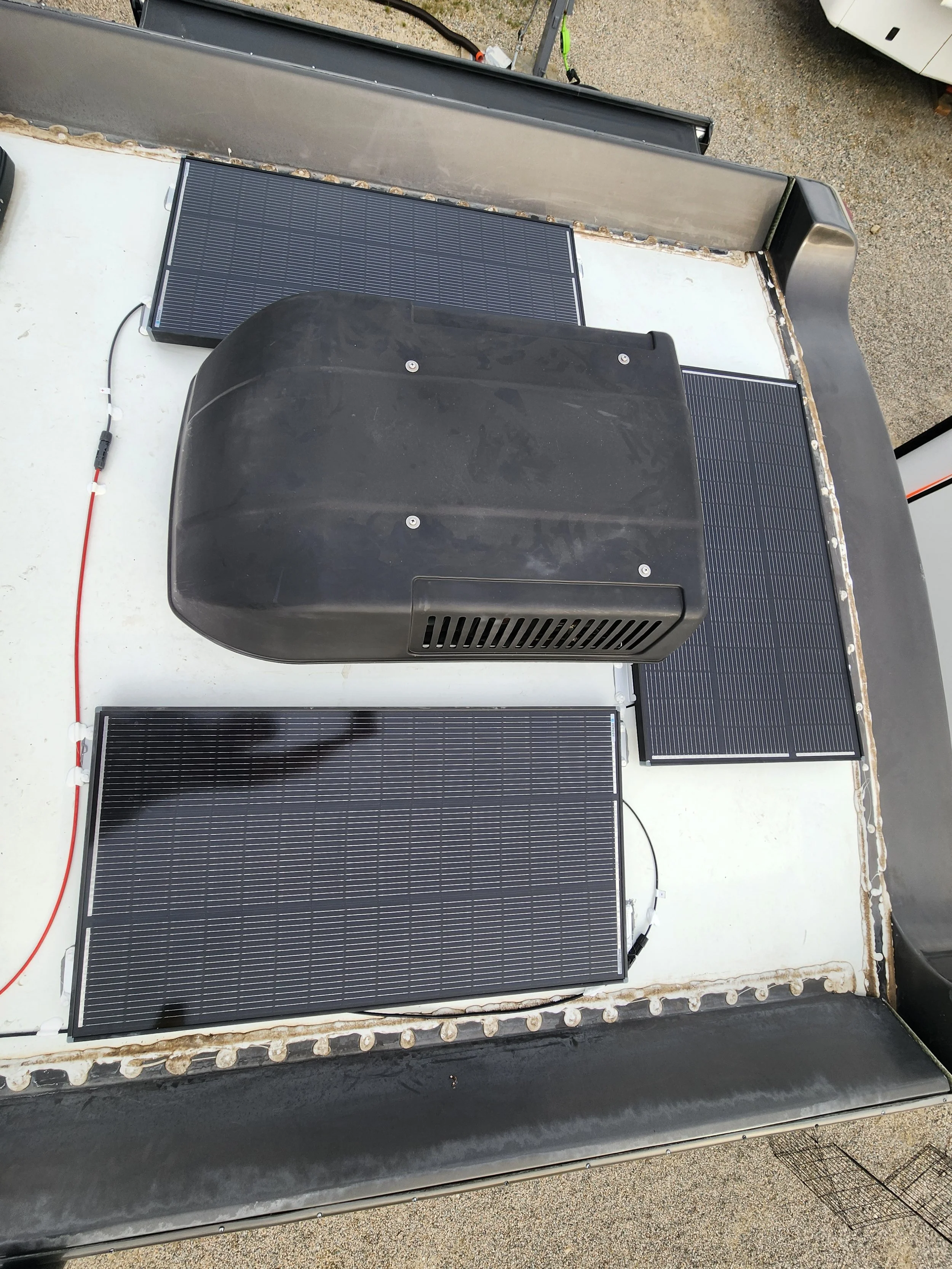
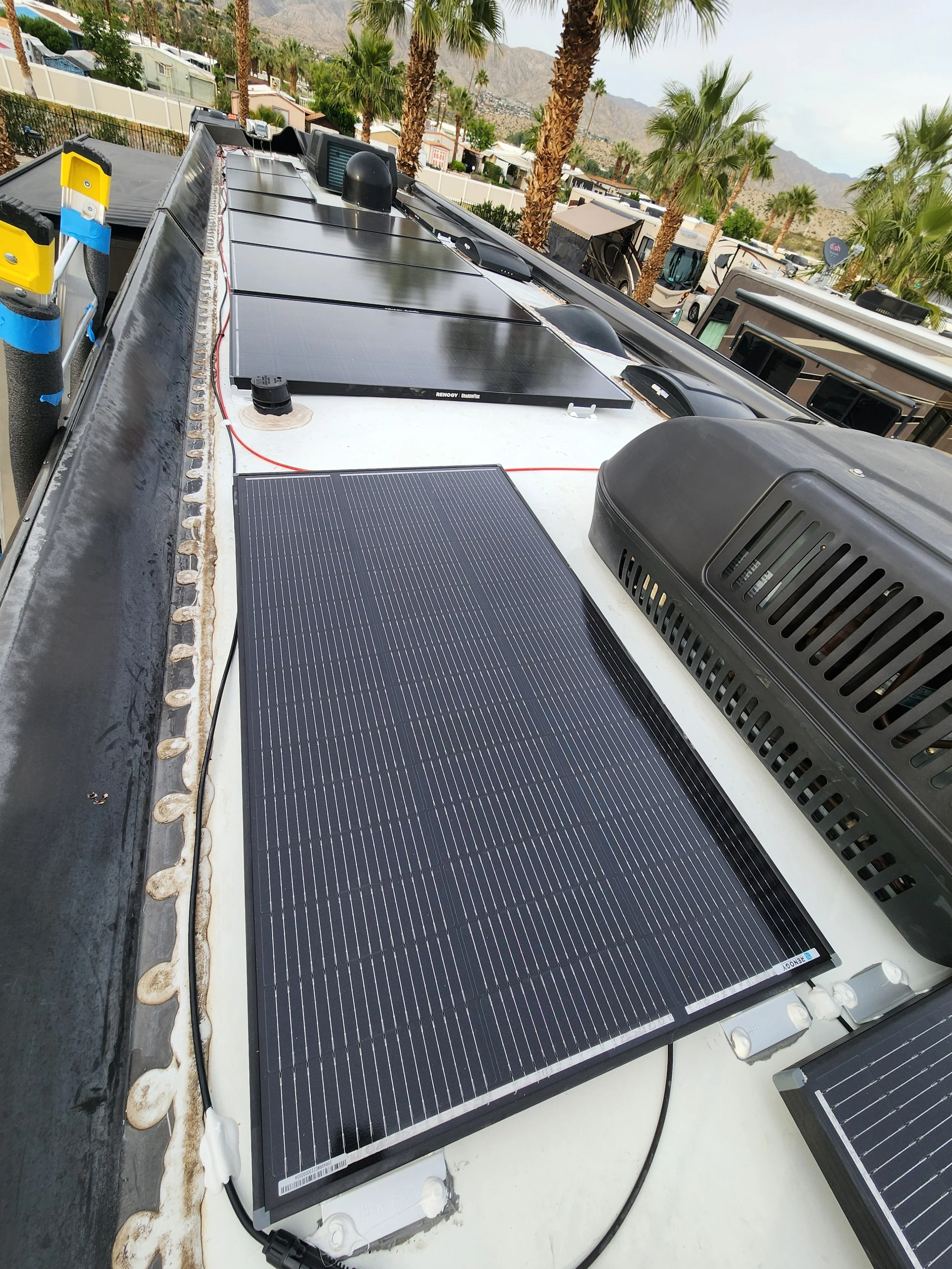
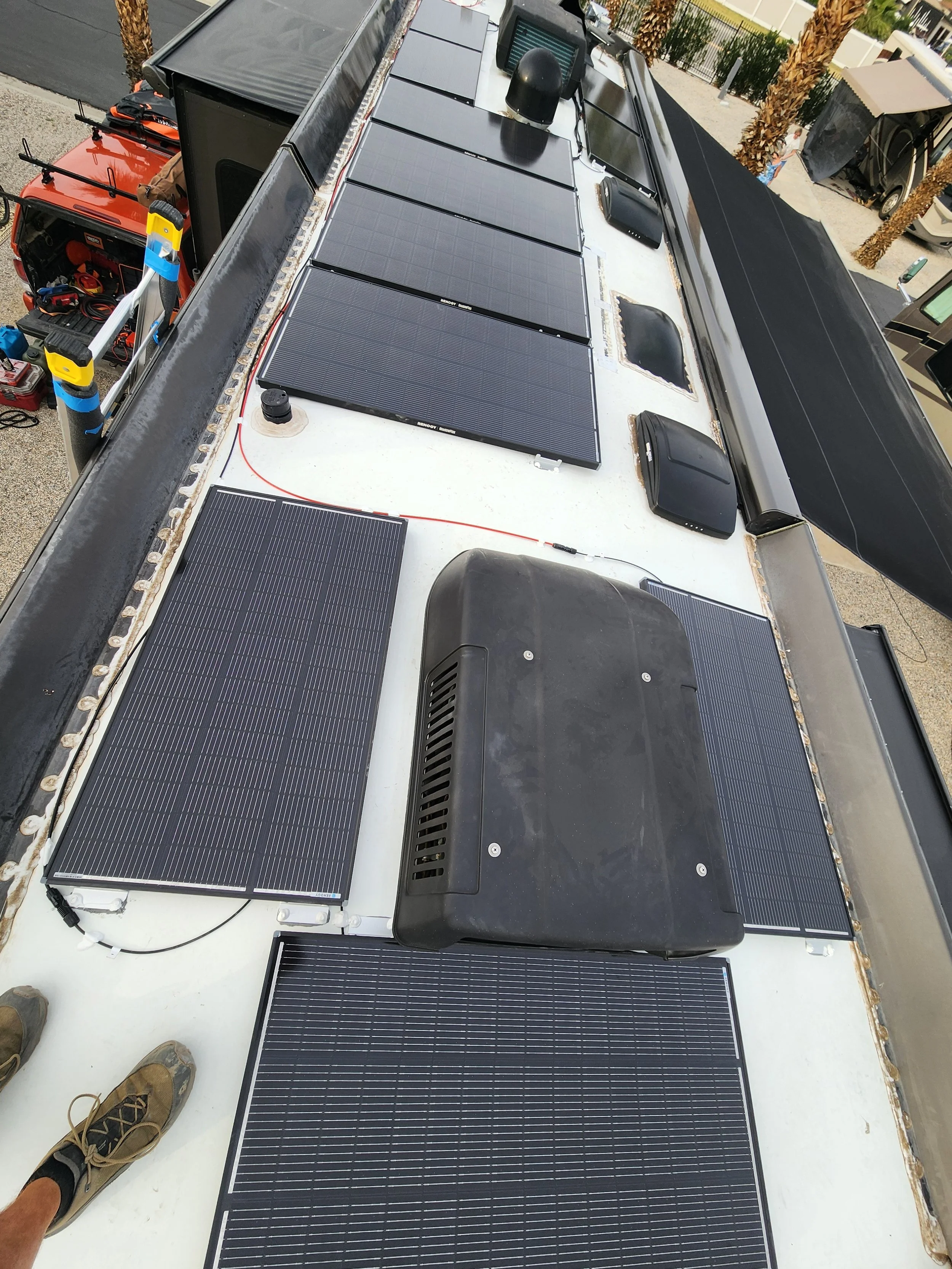
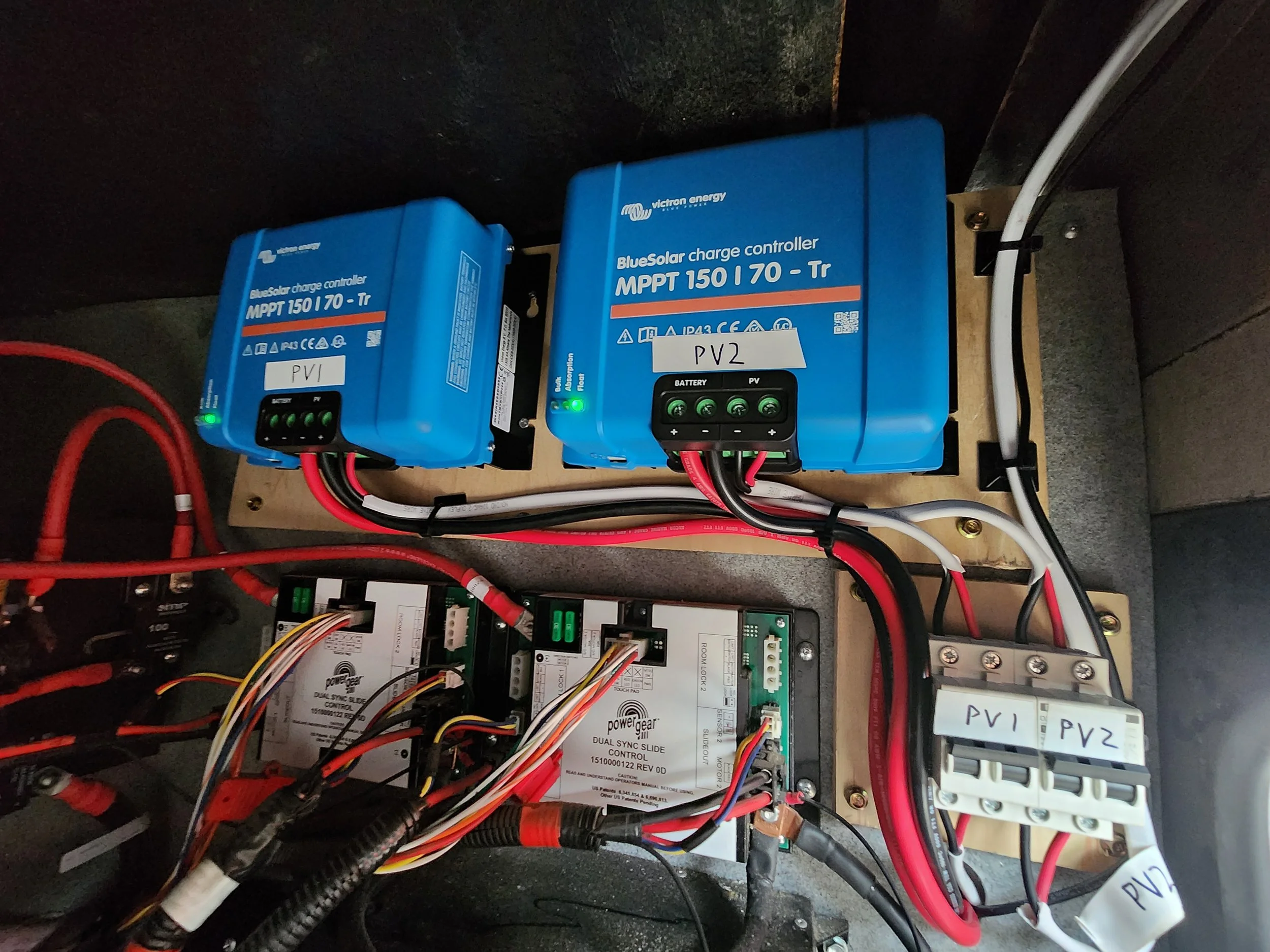
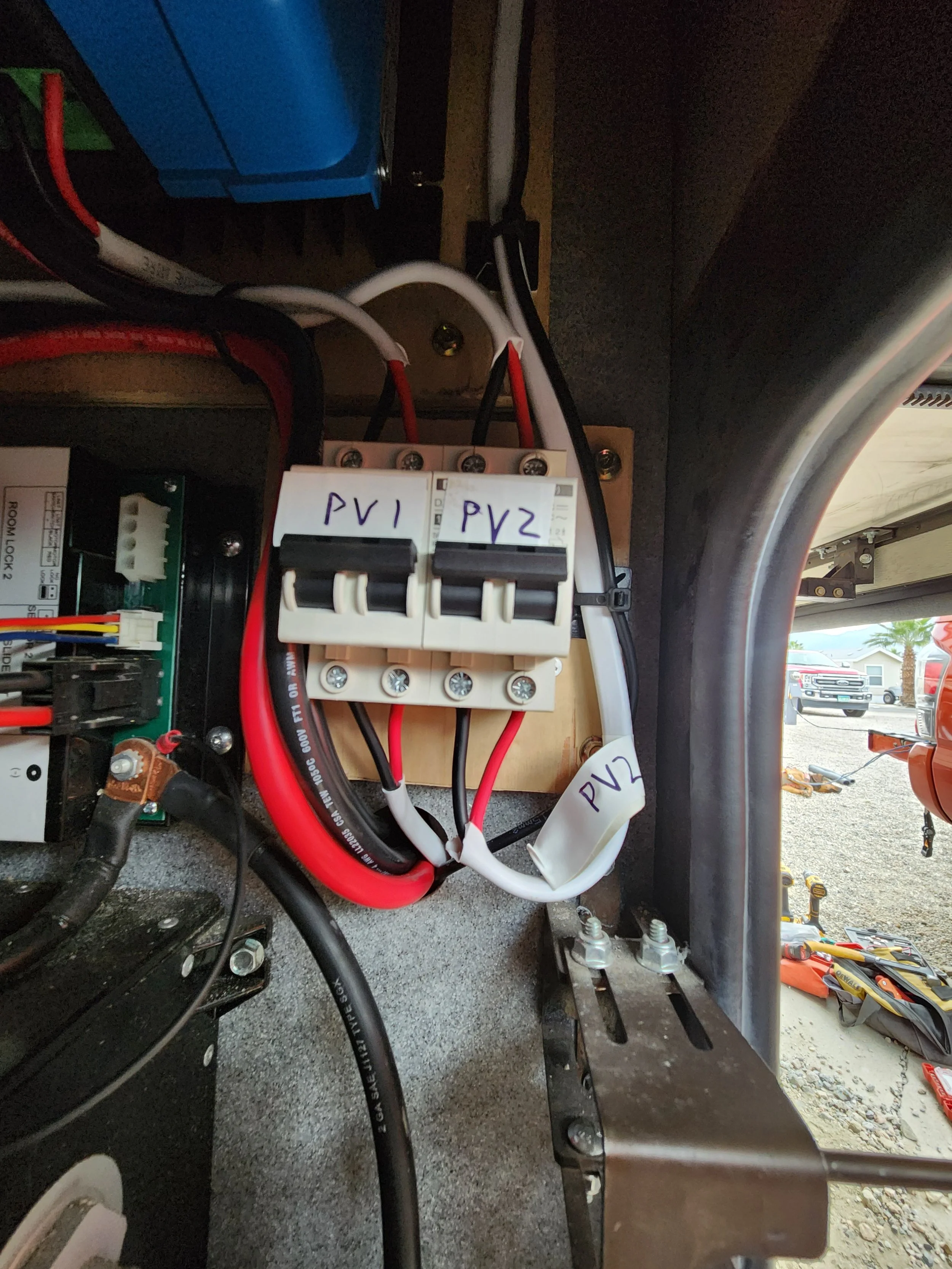
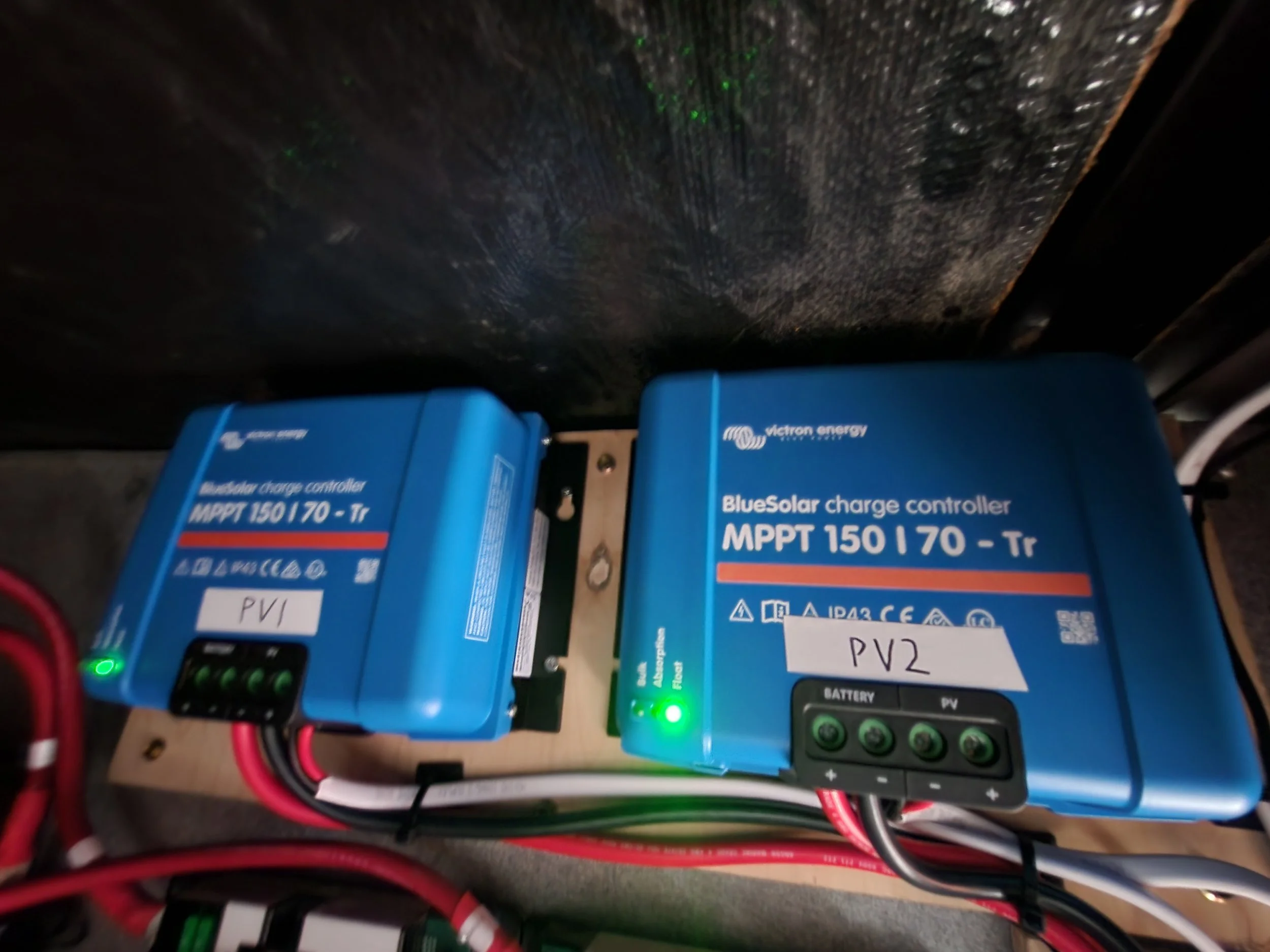
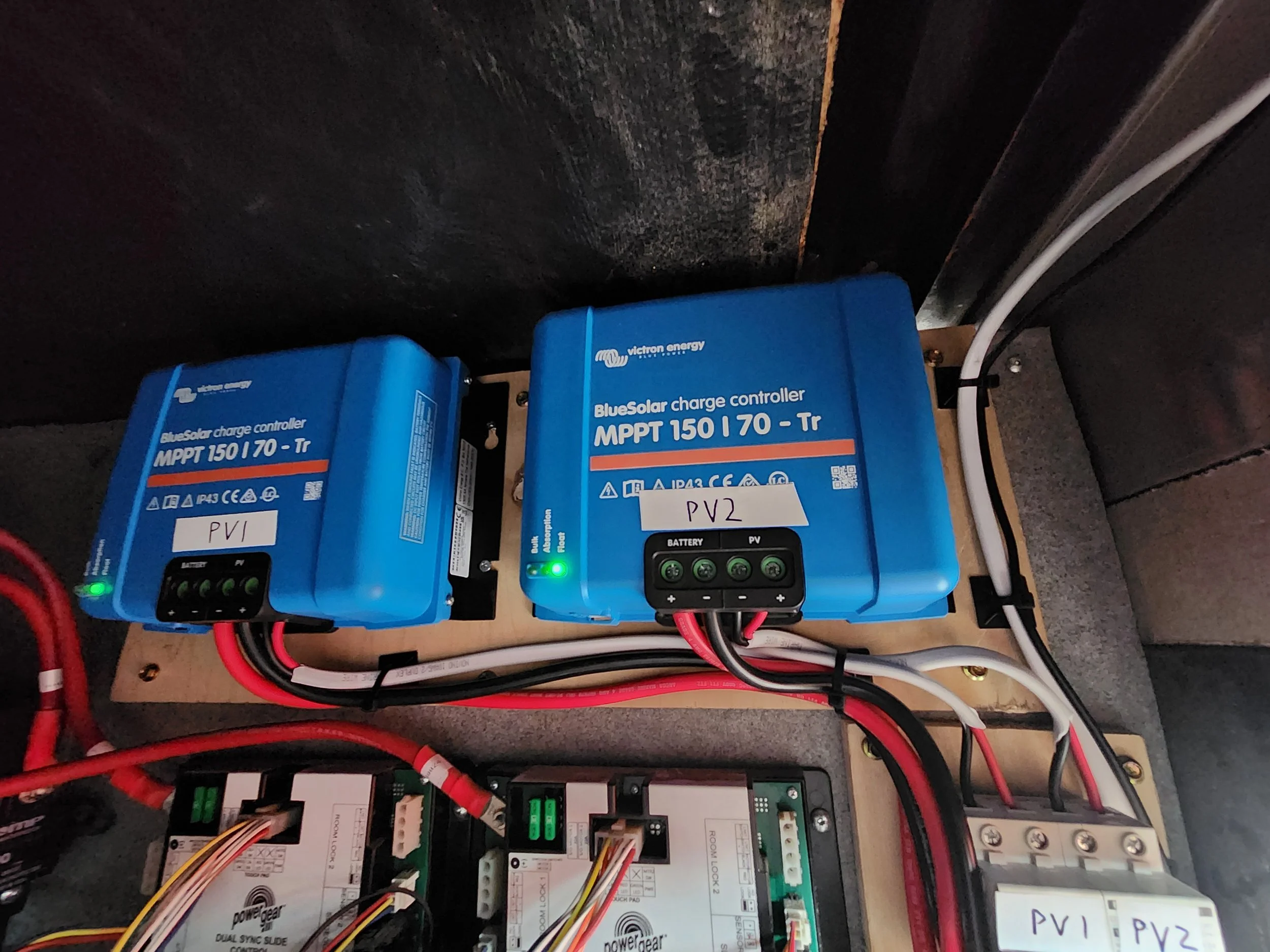
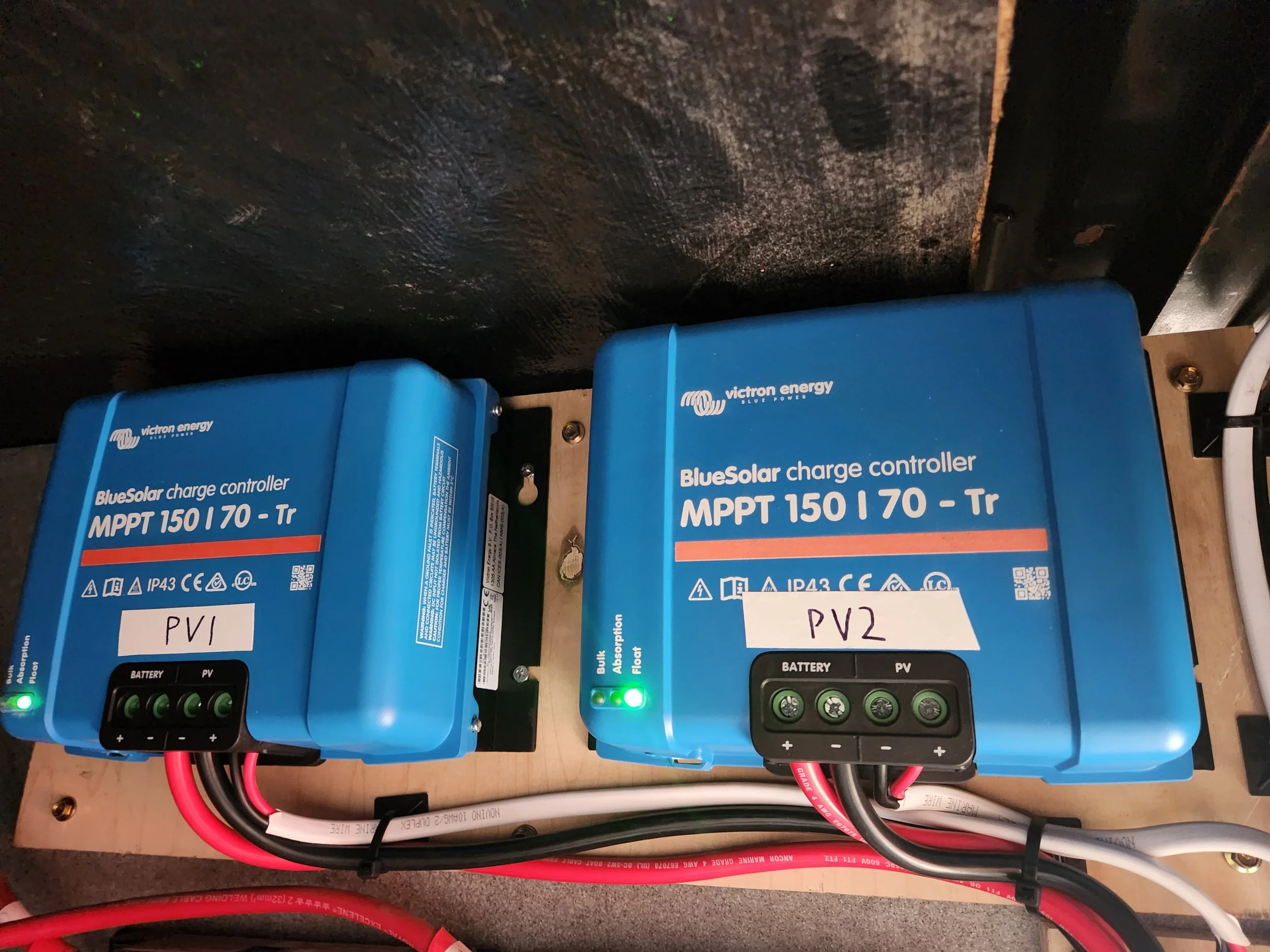
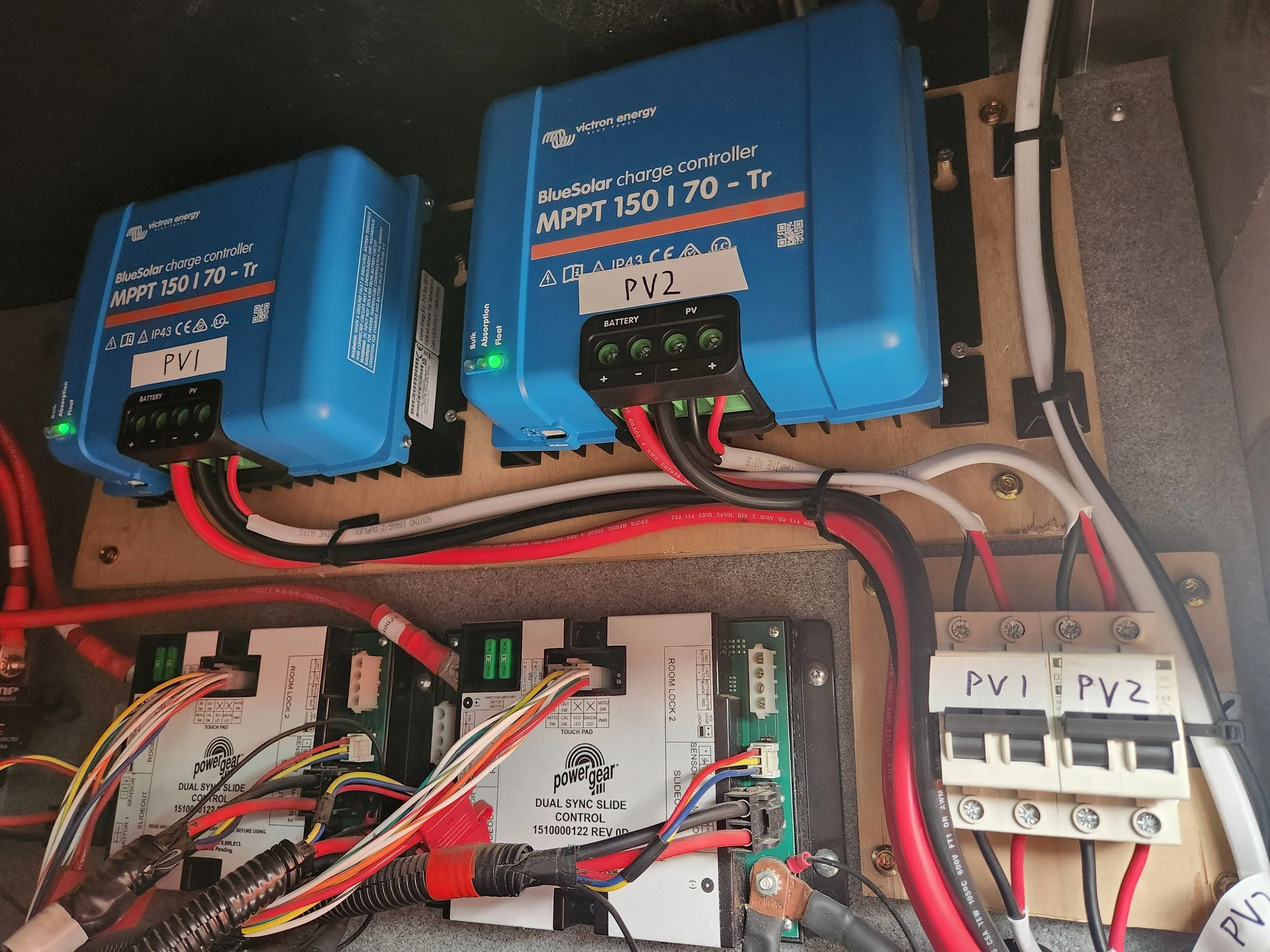
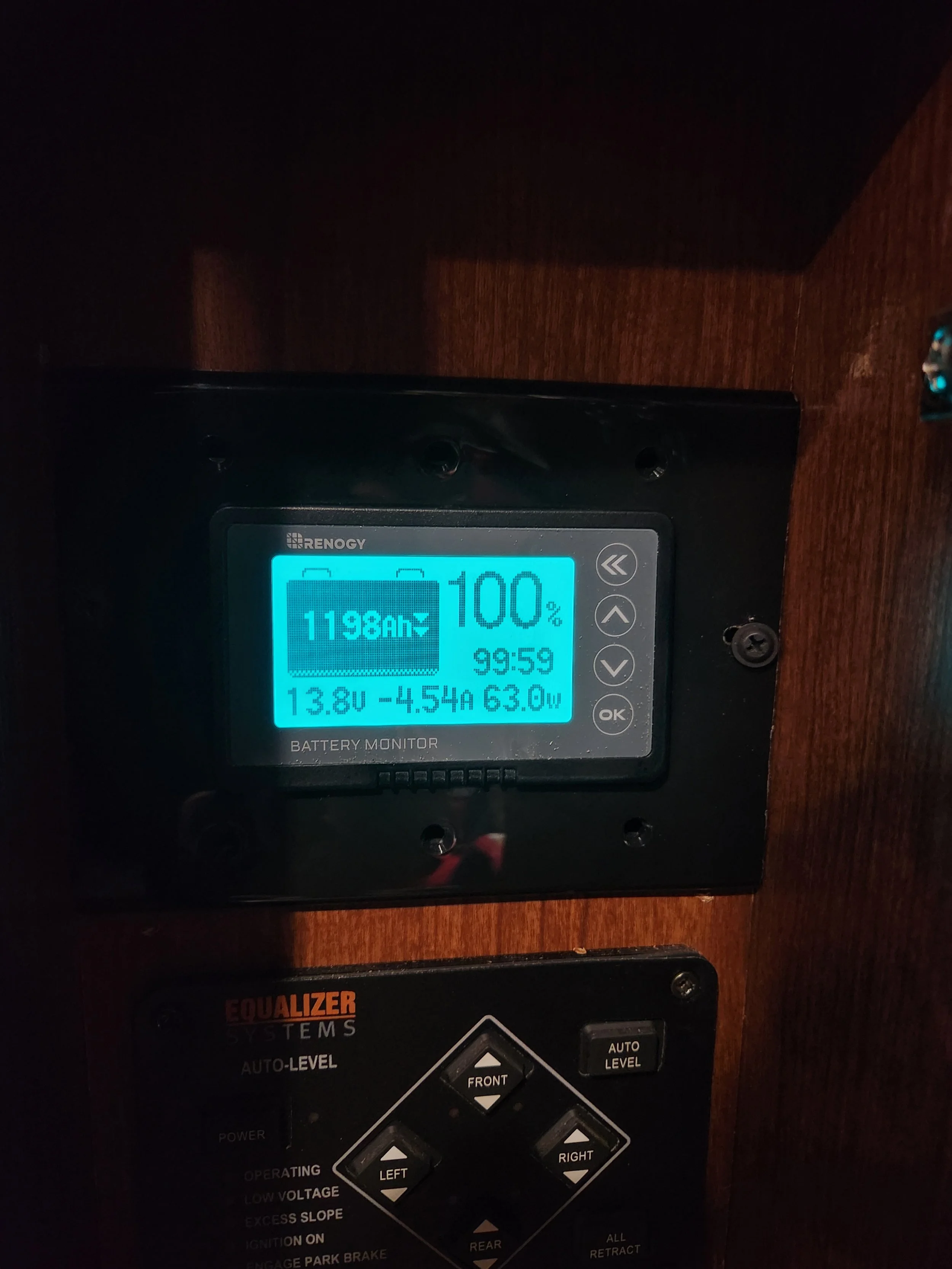
Not to get too far off topic, but that context is important for appreciating the care put into this installation. This project would end up with 1200Ah of LiFePO4 batteries, 1760W of solar panels split amongst two 150V 70A MPPTs, upgraded and rerouted wiring and fuses, and more. Every precaution was taken to ensure all lugs were tight, all exposed copper was waterproofed, every wire was properly secured, and all components were securely mounted. Bolting plywood to the steel frame was critical to ensure the MPPTs could be mounted to a solid base. Much of the existing wiring in the battery compartment was rerouted, with proper fuses and new wiring installed as-needed for a truly safe setup. Finally, every connection was stress tested by running a microwave for several minutes and watching the temperature change with thermal video imaging. This actually helped us determine that her battery disconnect was going bad, so we replaced it on the fly to keep all temperatures below 100°F. Heat is the number one killer of electrical systems, so thermal testing is never an option.
We believe that every project should have both structure and soul - the elements of true art. The structure is the design, the layout, and the function. But the soul is what makes a solar installation catch the eye. Wiring that is clean, neat, and pretty. Solar panels forming straight lines on the roof. Adhesives applied enough to waterproof, but not so much to make a mess. That’s the soul of this project, and it speaks for itself on how much we love what we do!
Gallery: What Was Already There (Before)
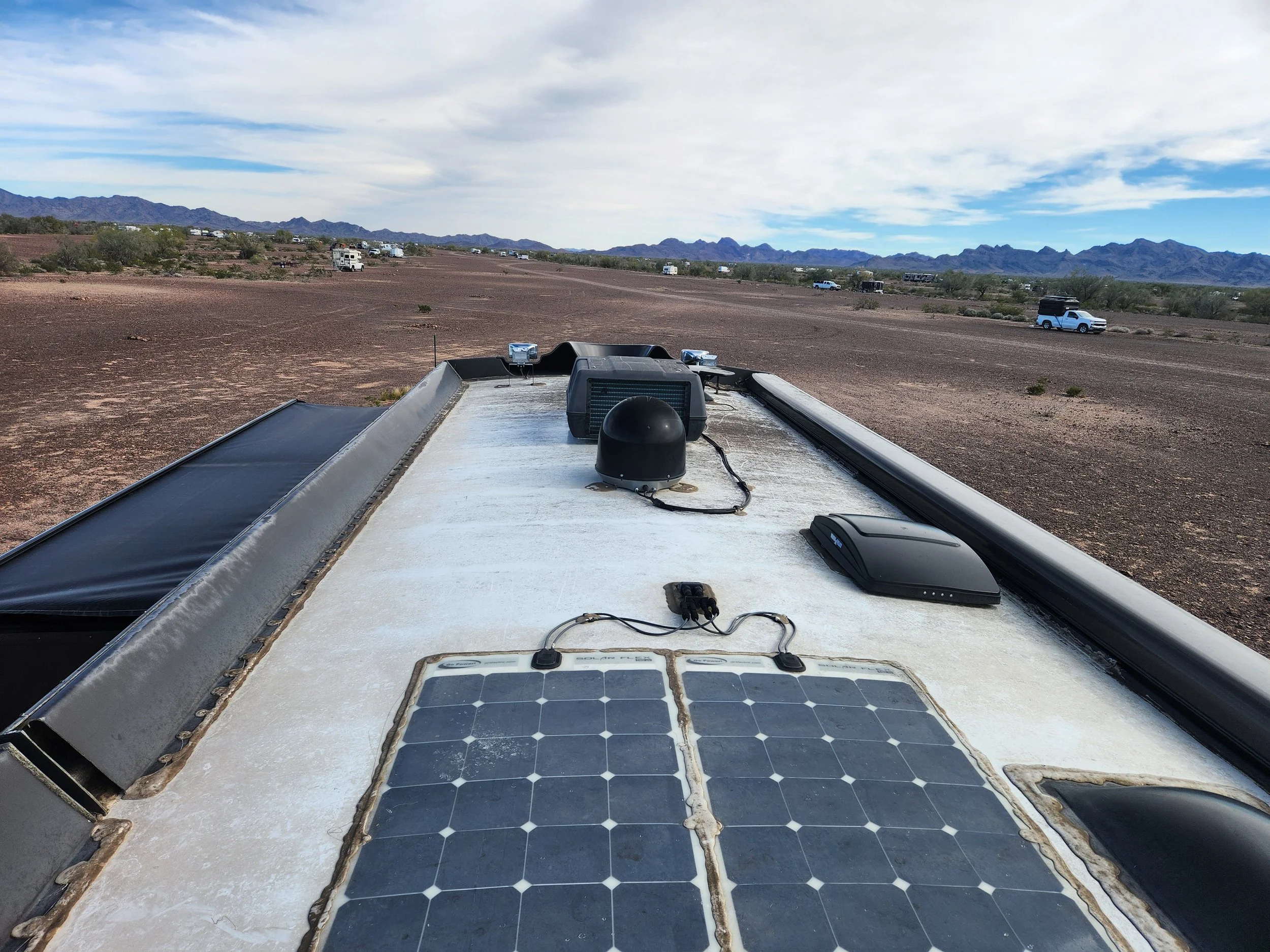
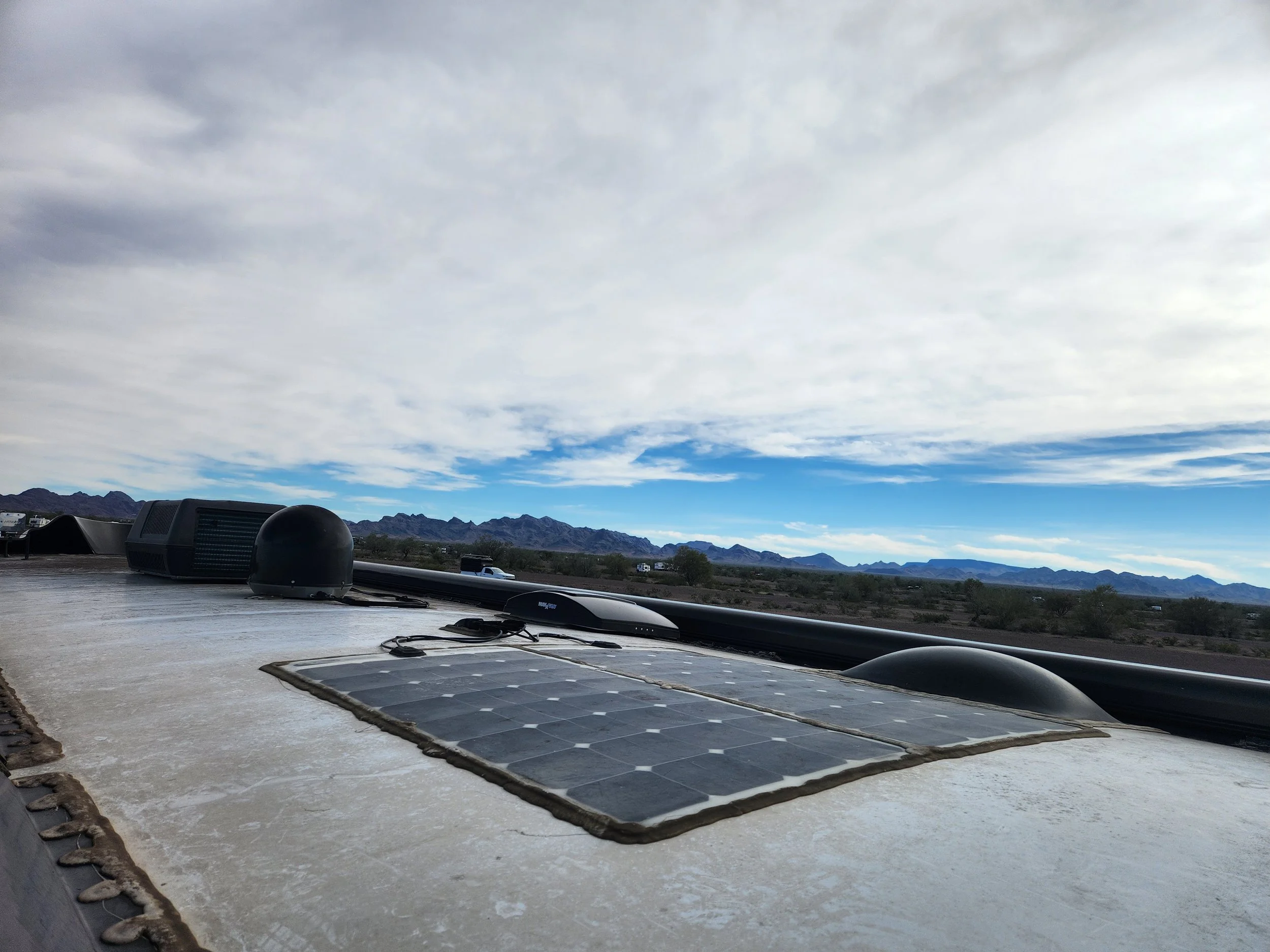
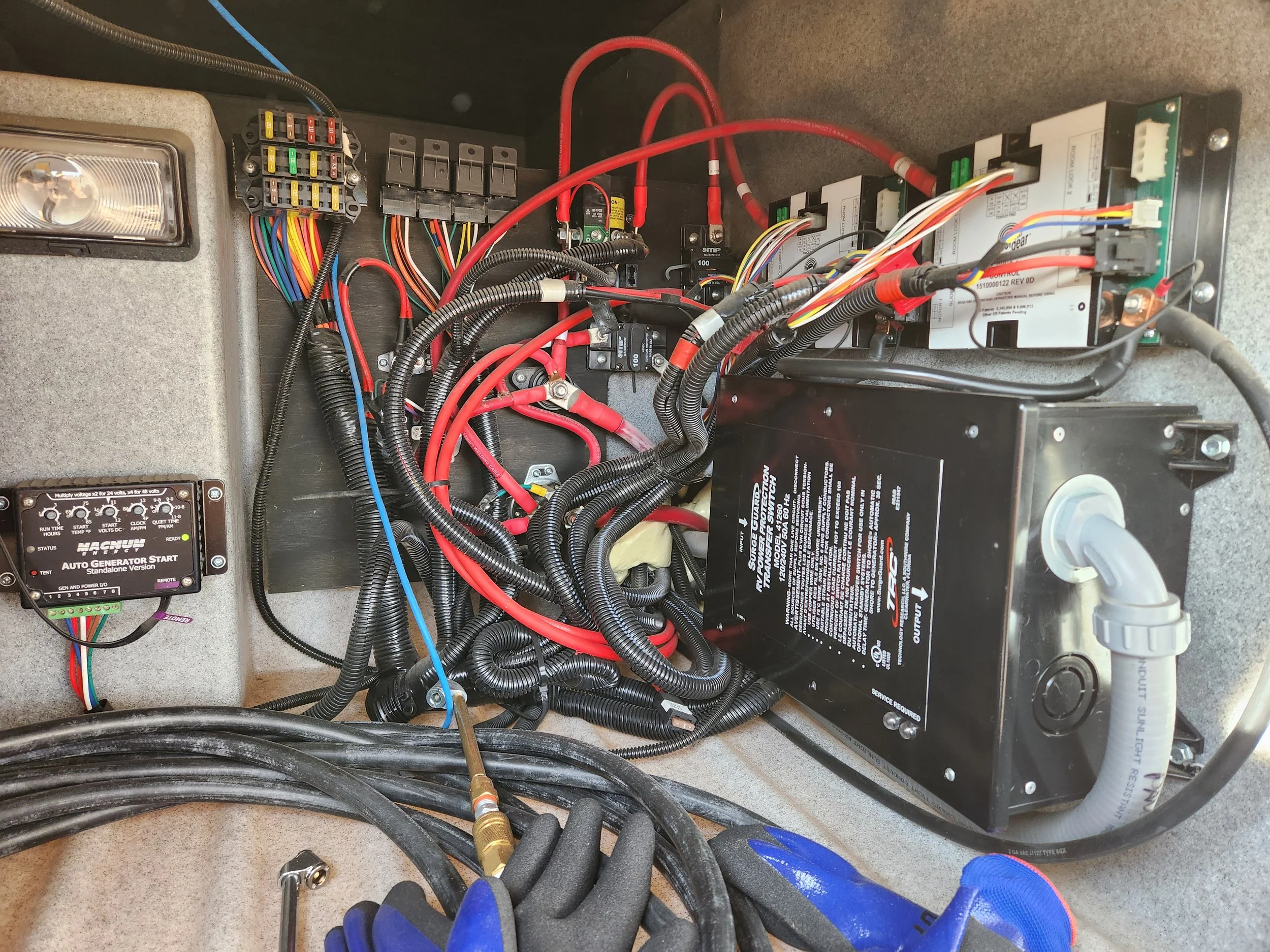
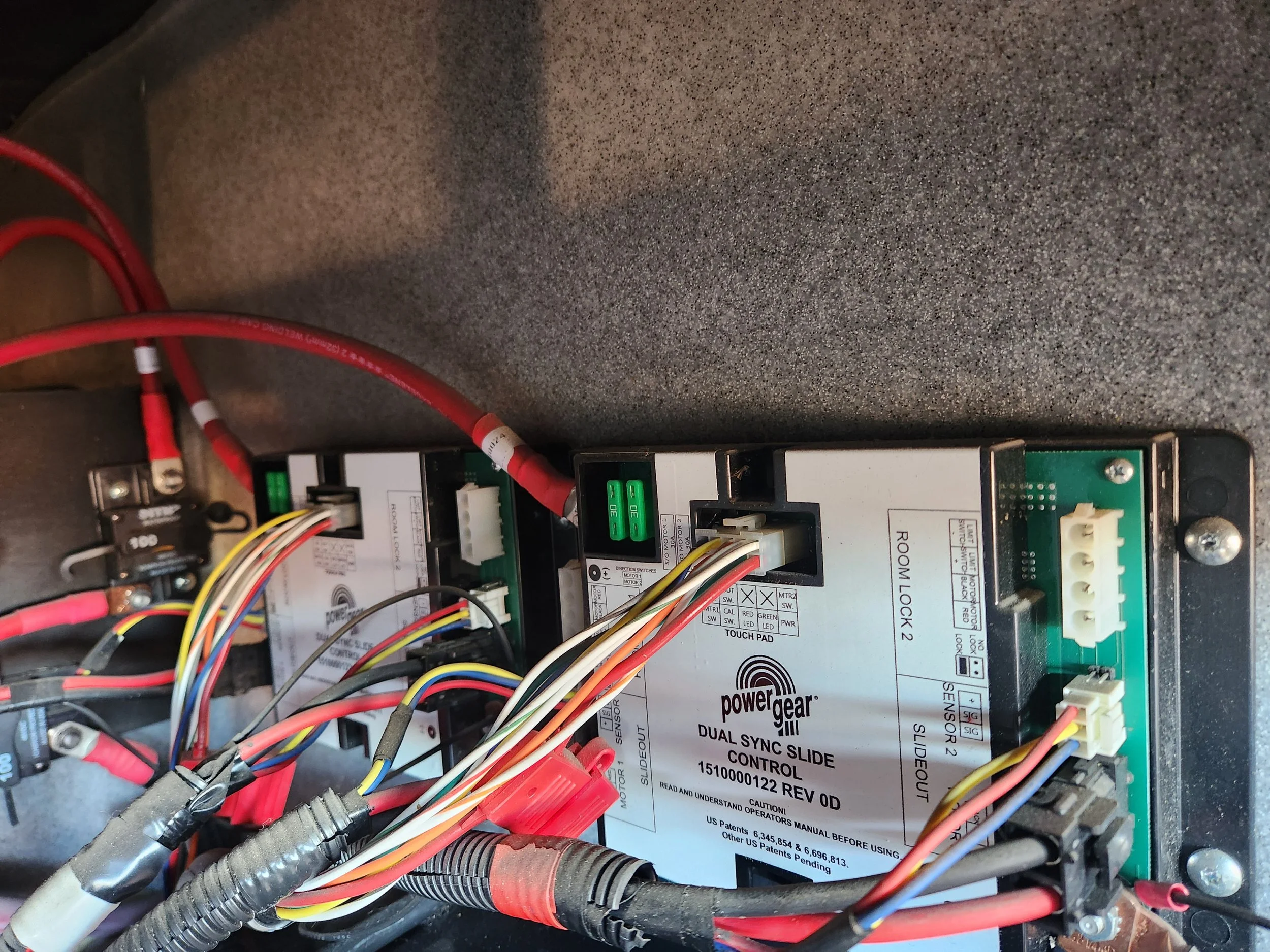
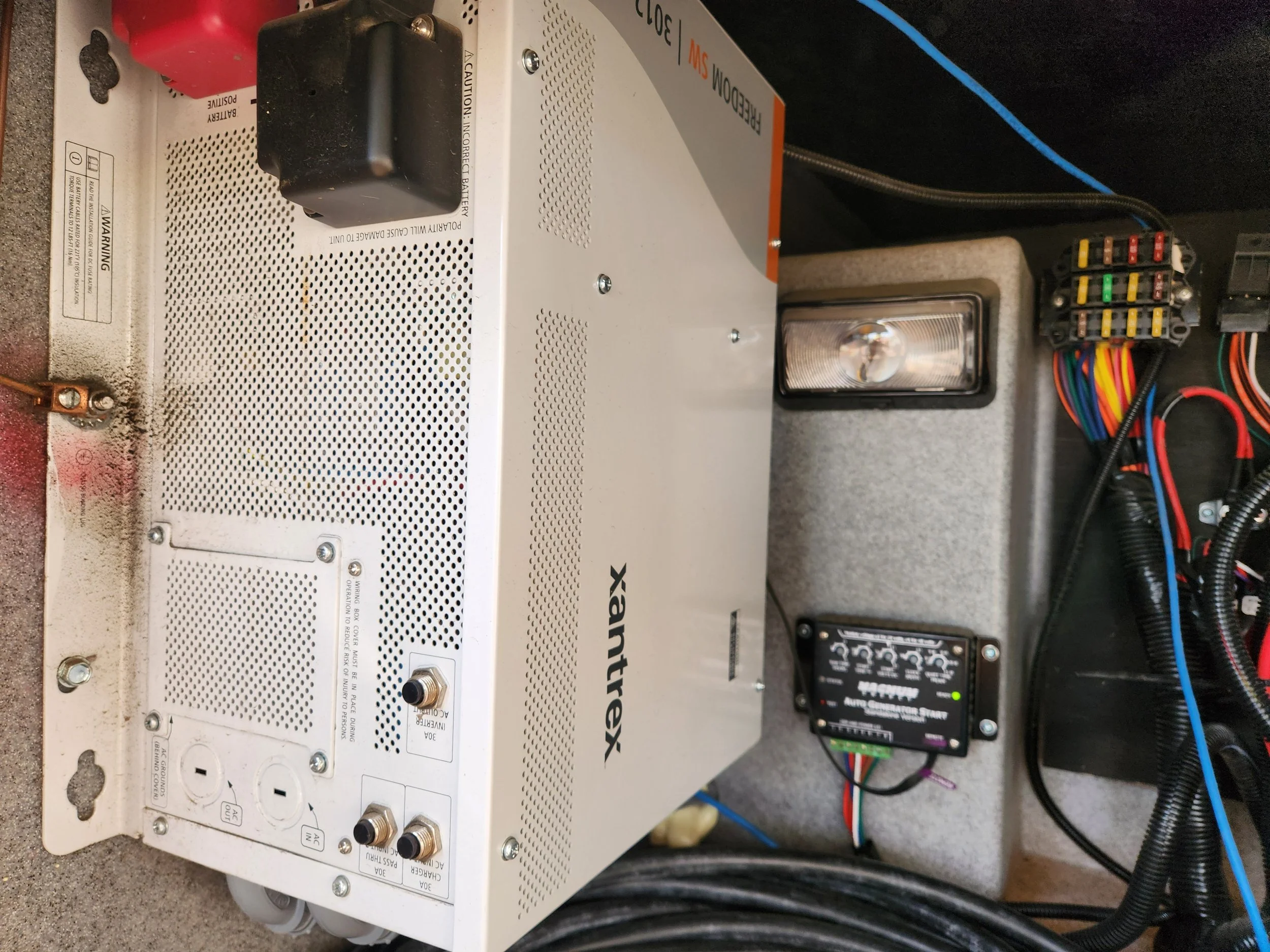
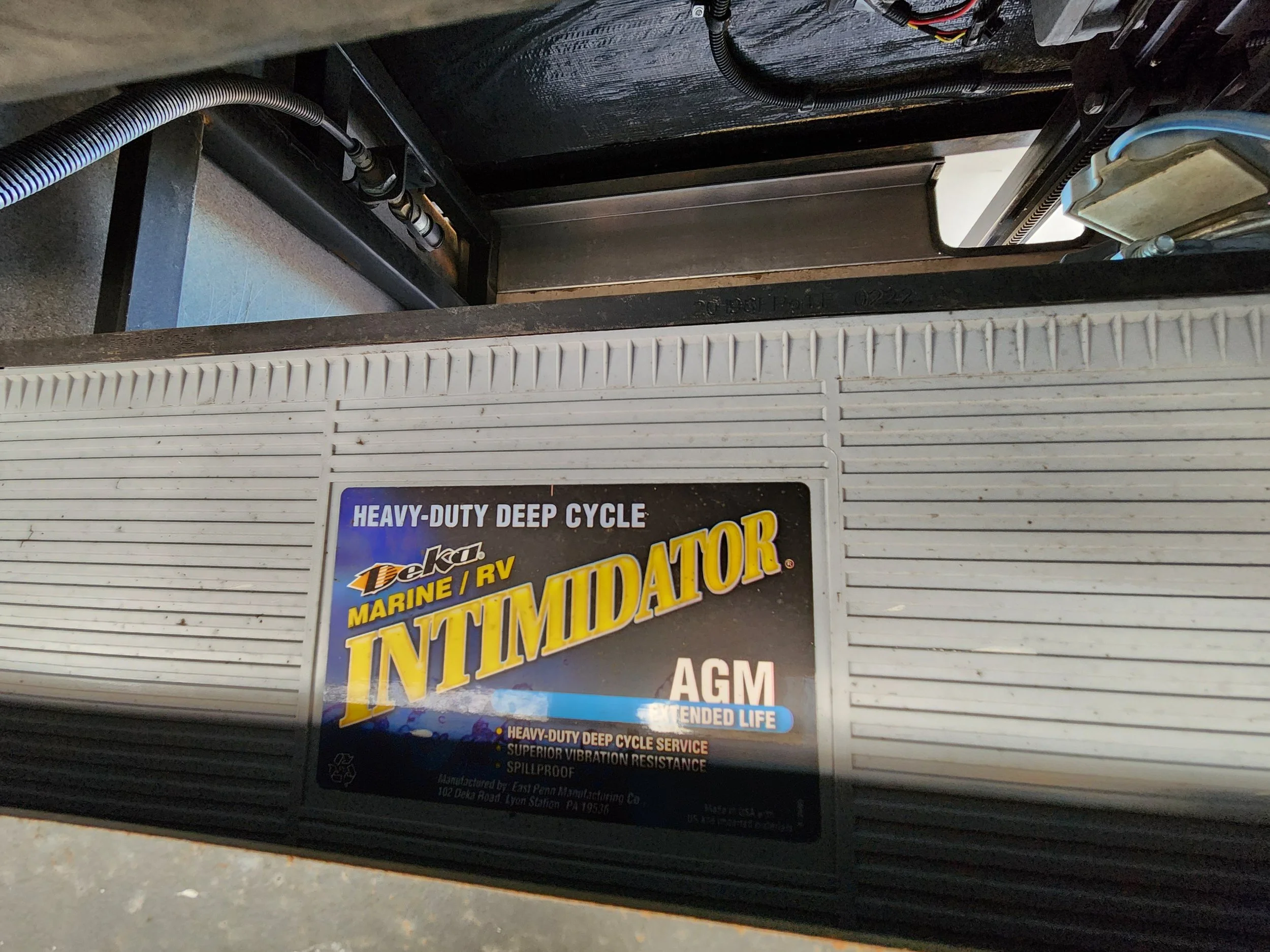
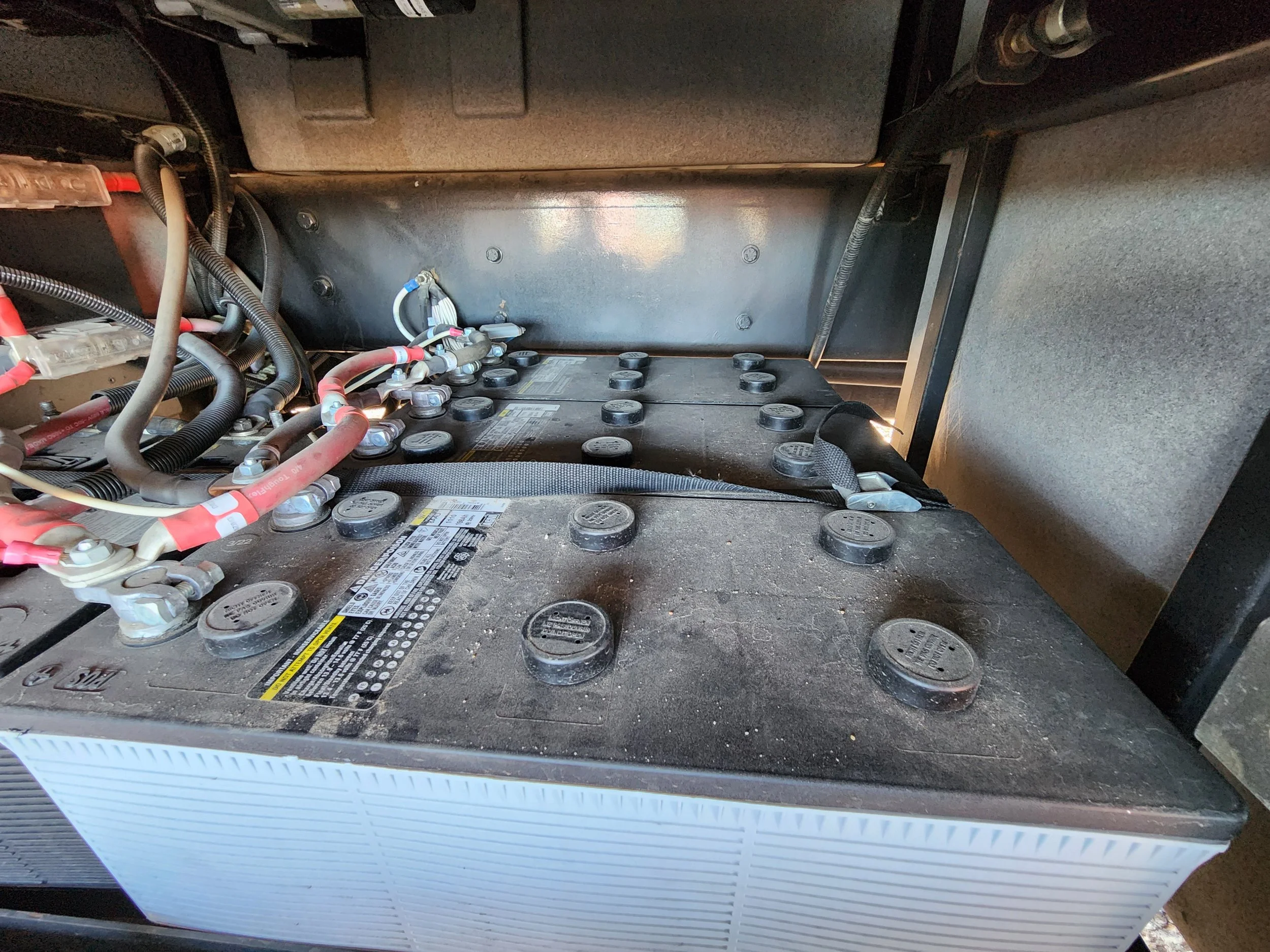
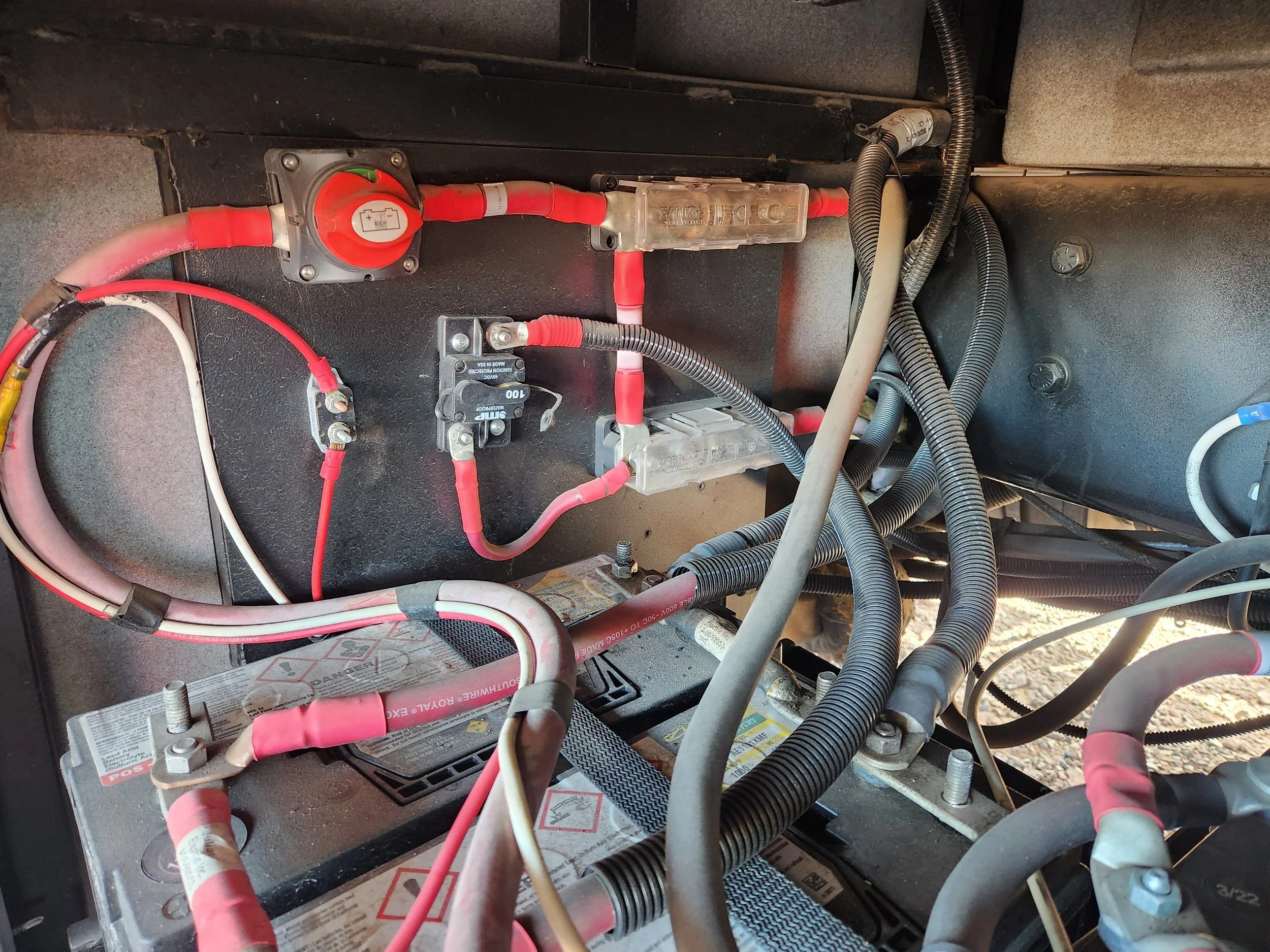
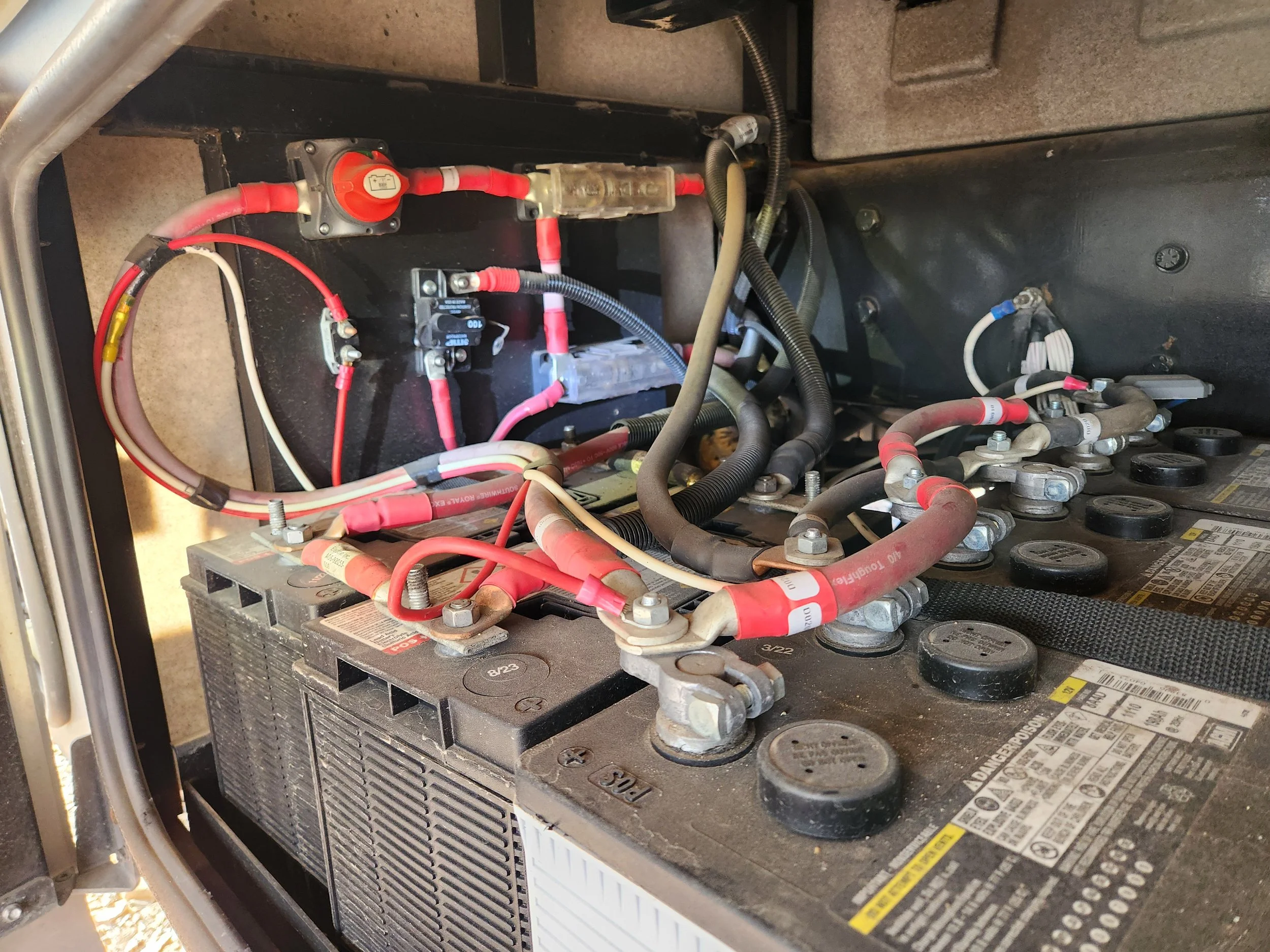
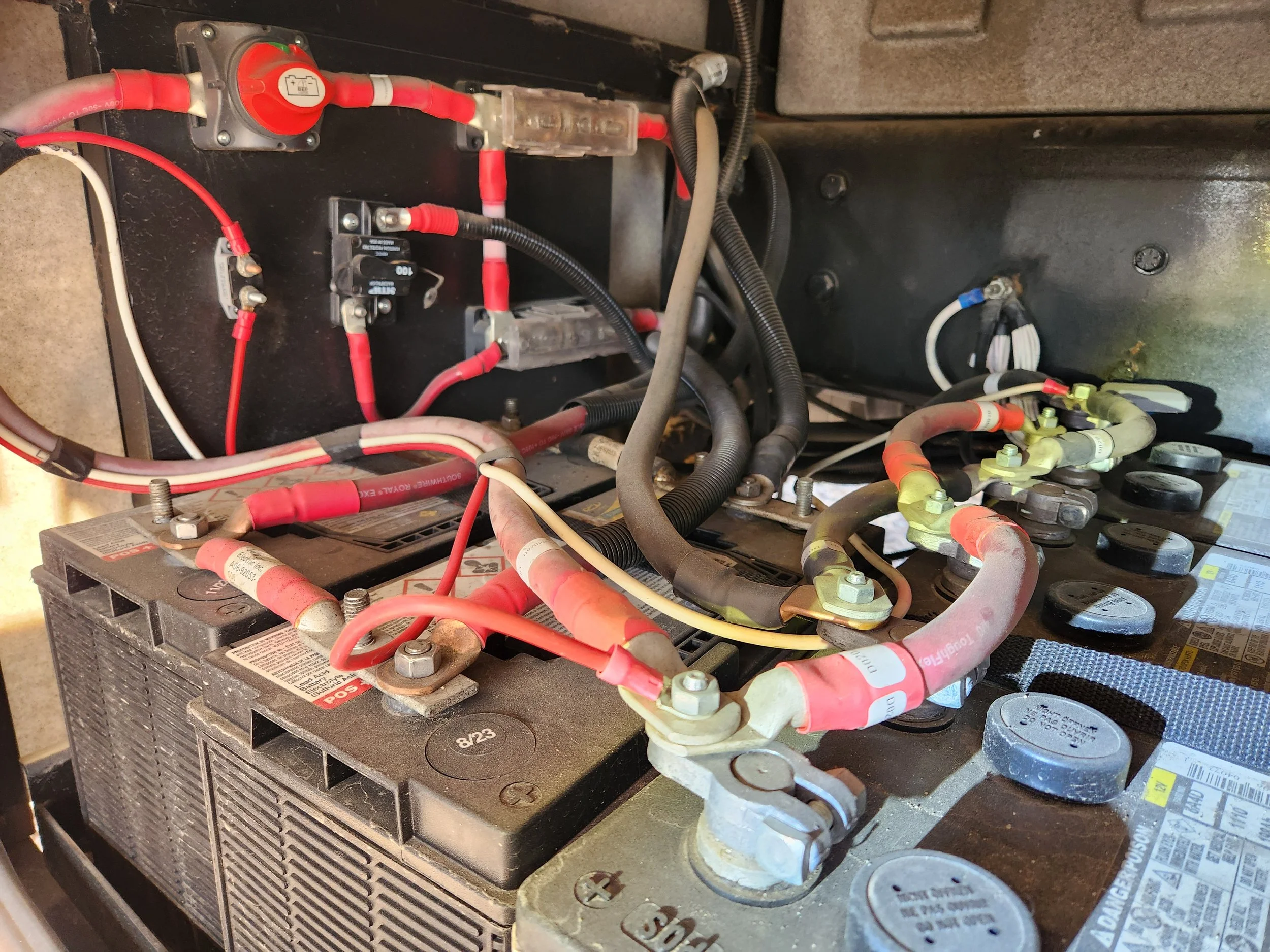
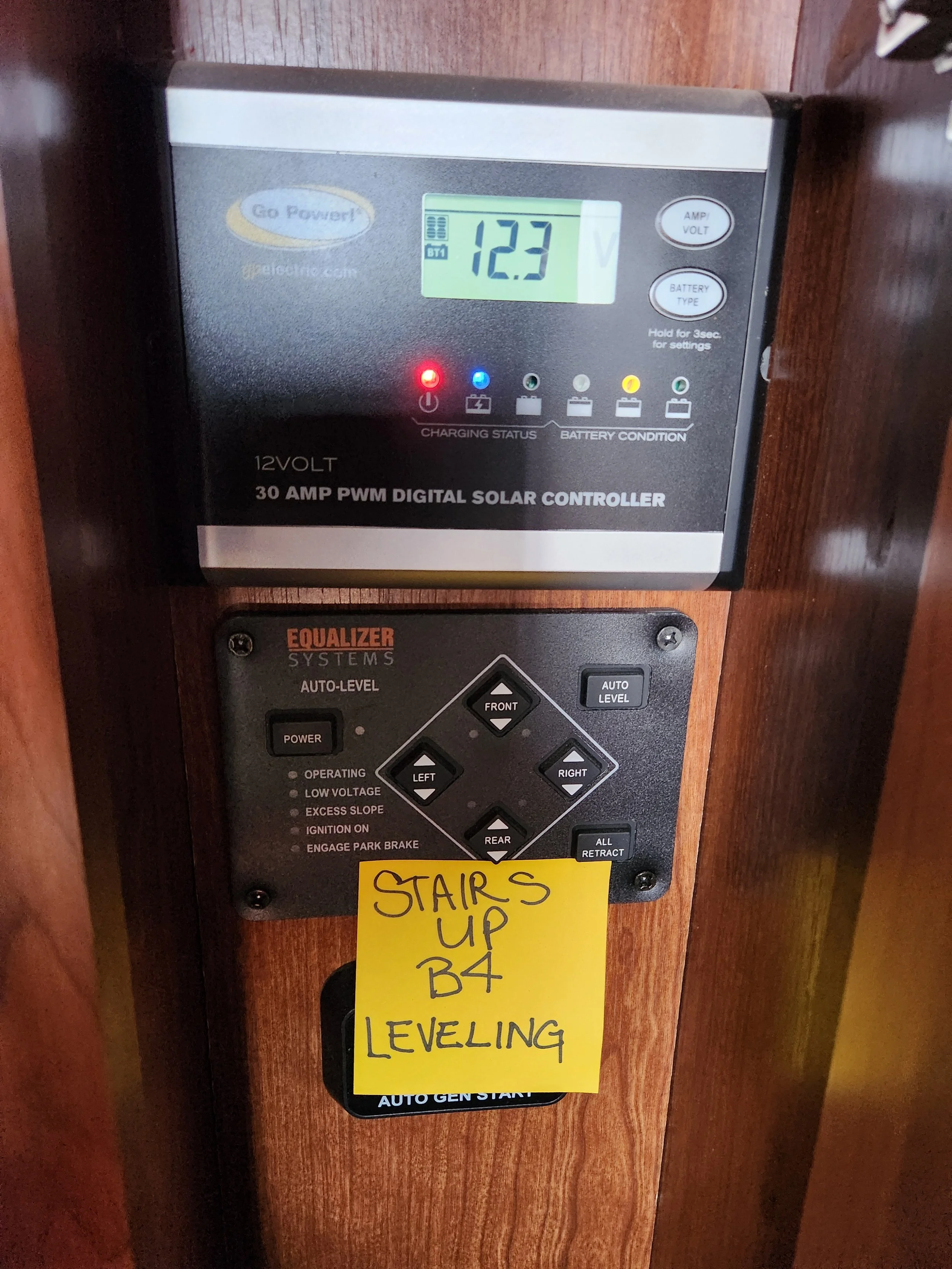
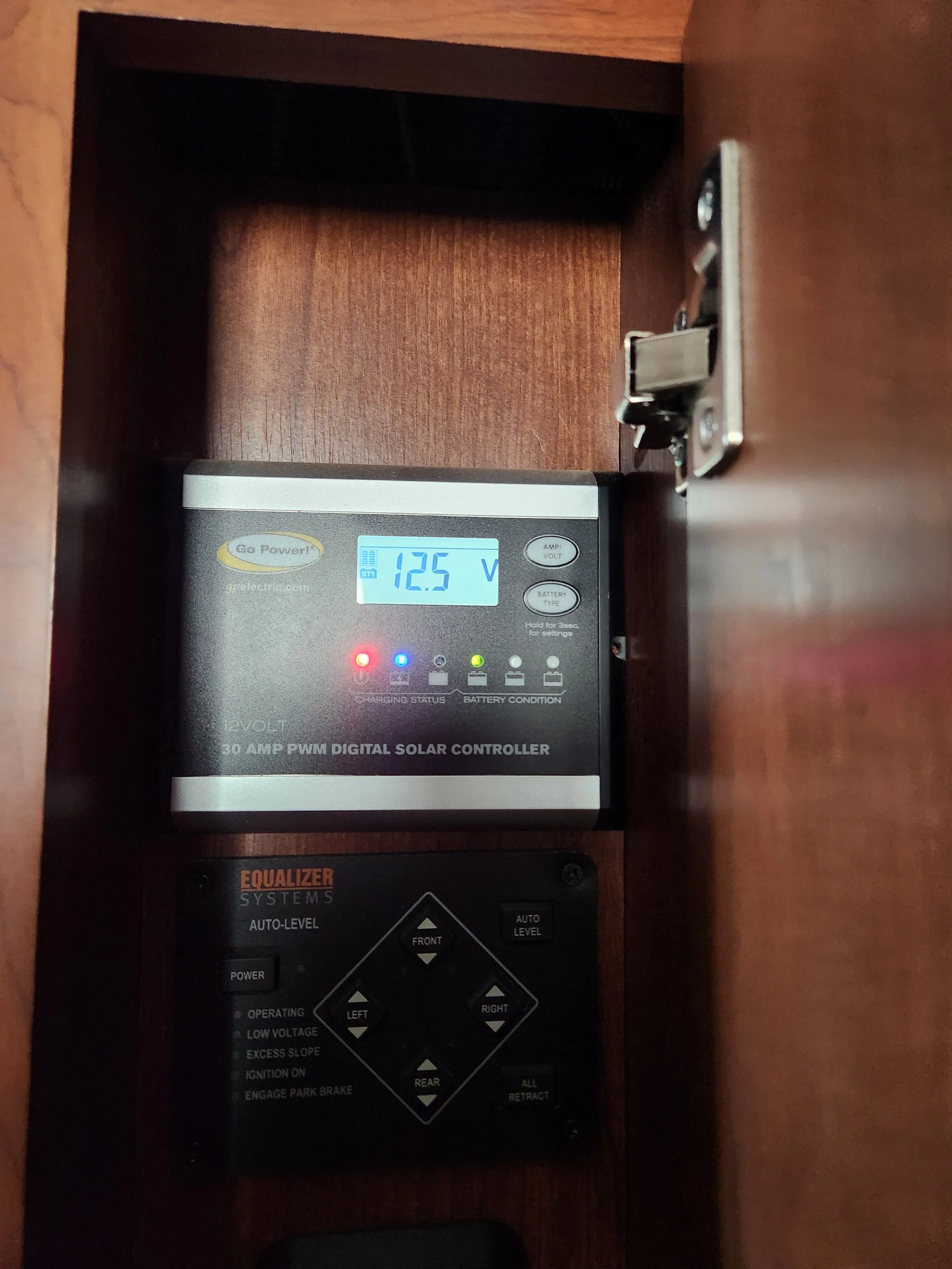
Gallery: What We Installed (After)
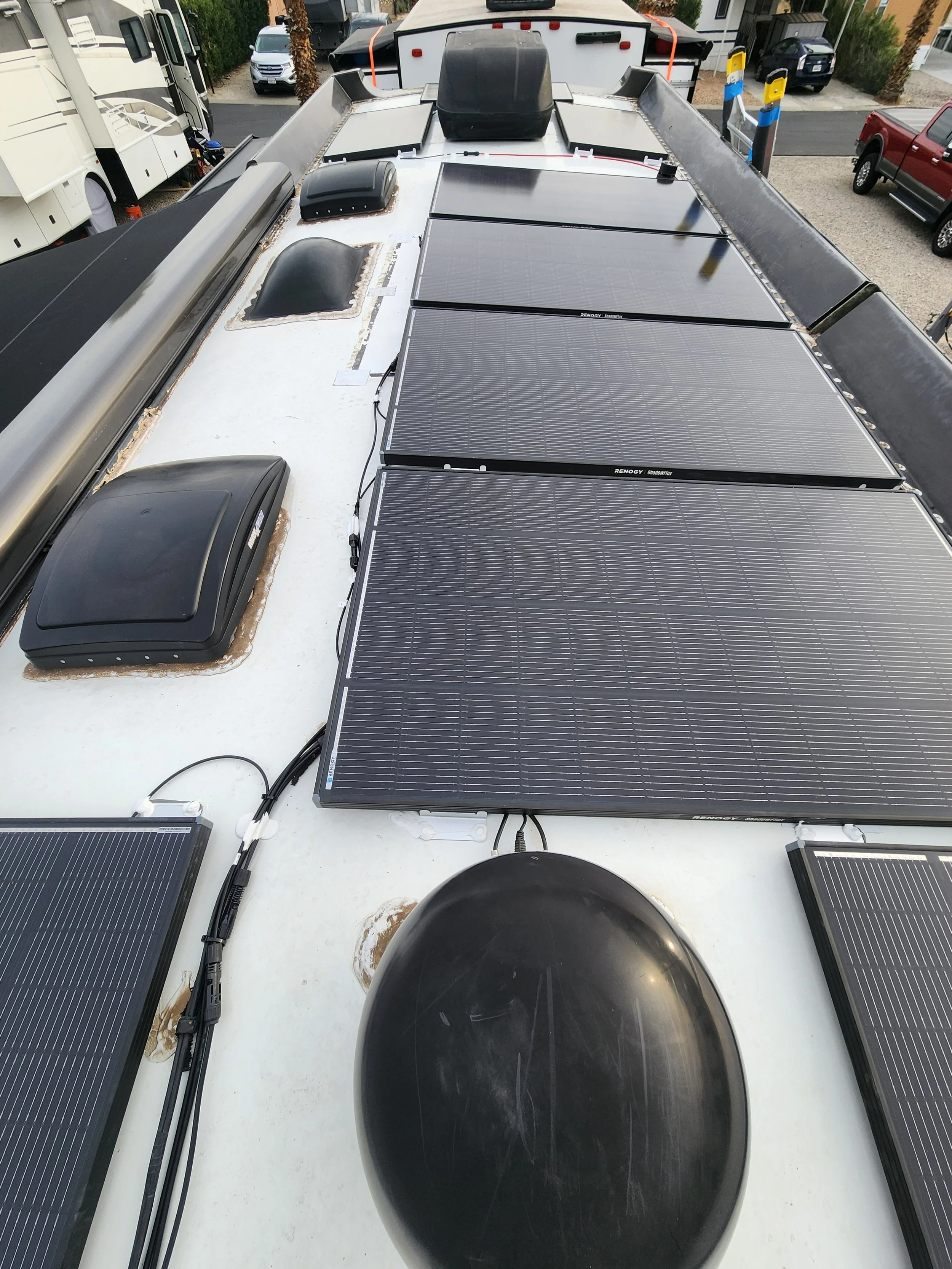
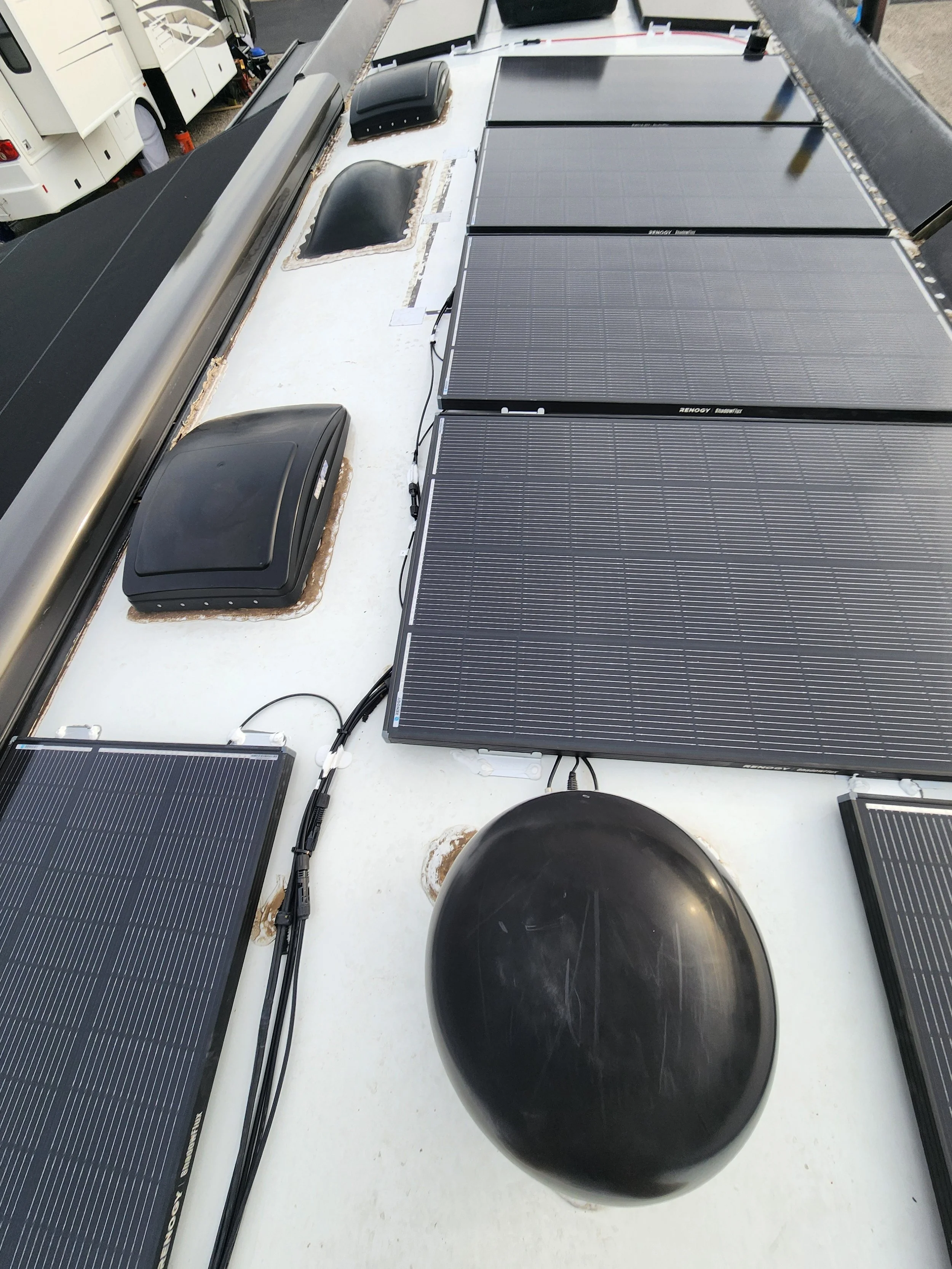
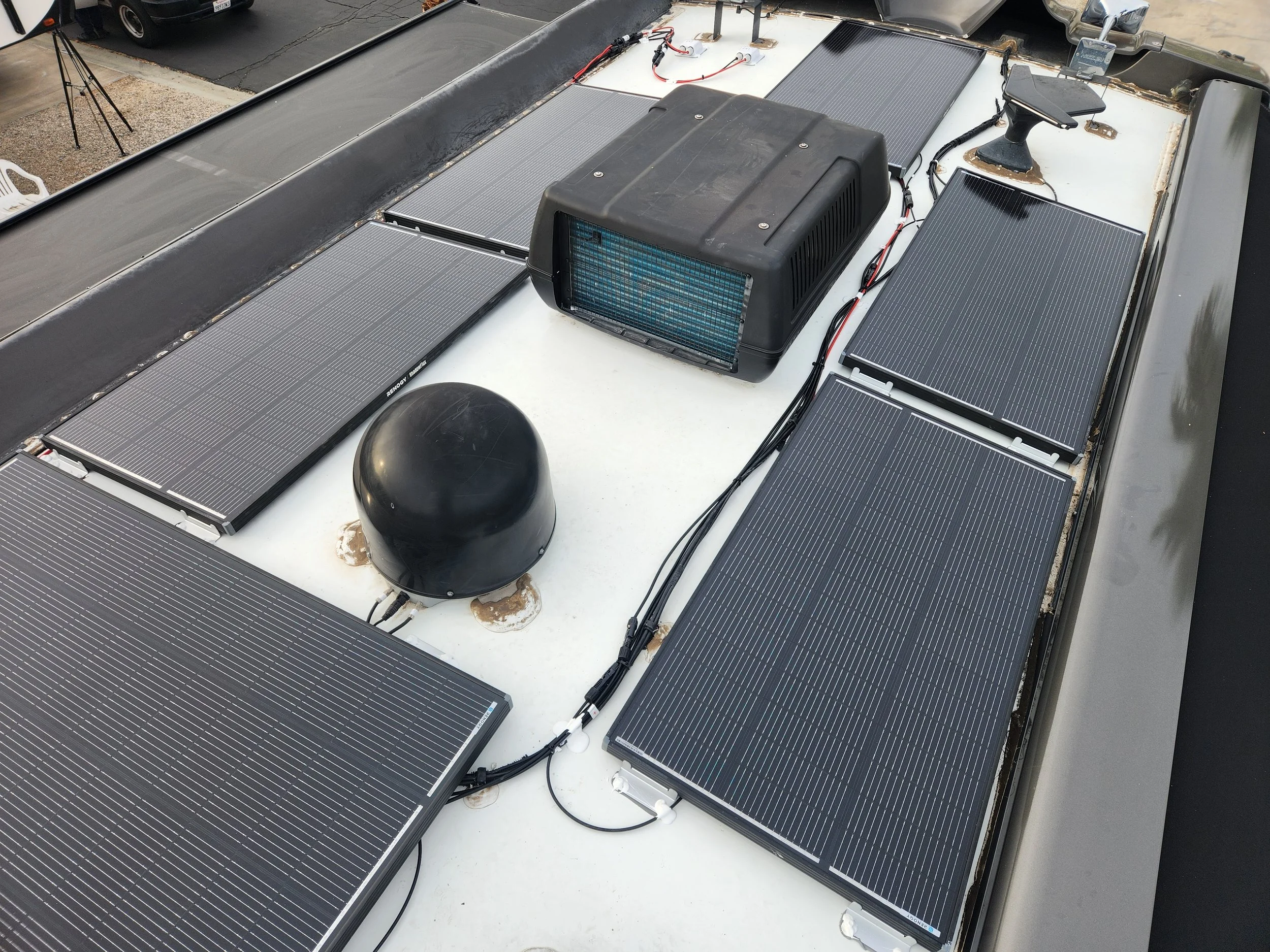
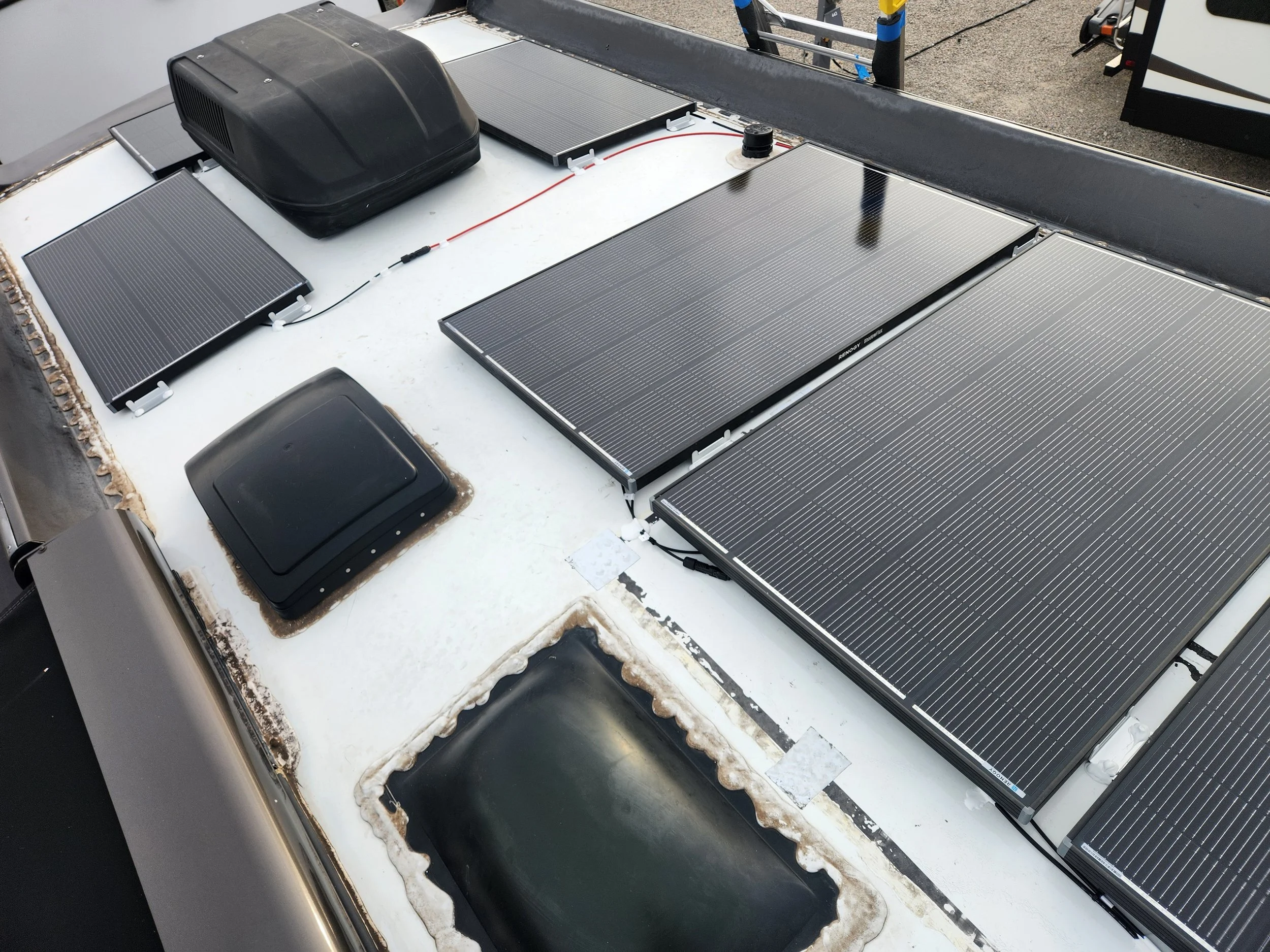
Gallery: Post-Install Verification
There are a lot of egotistical electrical installers out there, and many of them don’t take the time to verify their work. We always strive to have humility with our installations, because you don’t know what you don’t know. Was every bolt tightened enough? Are the fuses working correctly? Were we sold a faulty piece of equipment? Most installers can’t confirm or deny these questions.
We bought a thermal imaging camera to make sure we could have that piece of mind. I’ve seen a few too many electrical fires already, so I don’t take this stuff lightly. Any connection or wire reaching above 100F is something to explore deeper. Temps above 125F? definitely retighten the connection. Above 150F? Something wasn’t sized right and needs to be redesigned or upsized. Above 200F? Fuses better blow soon or else a fire could start.