A Day in The Life
of a Mobile Solar Tech
I’ve made plenty of portfolio entries about distinct projects, but beyond that I have seen plenty of electrical gore. So I thought, let’s make a portfolio entry specifically highlighting the worst of the worst - the electrical horrors I have seen caused by previous installers, and what can be done to avoid these issues.
Loose Connections and Burned Copper
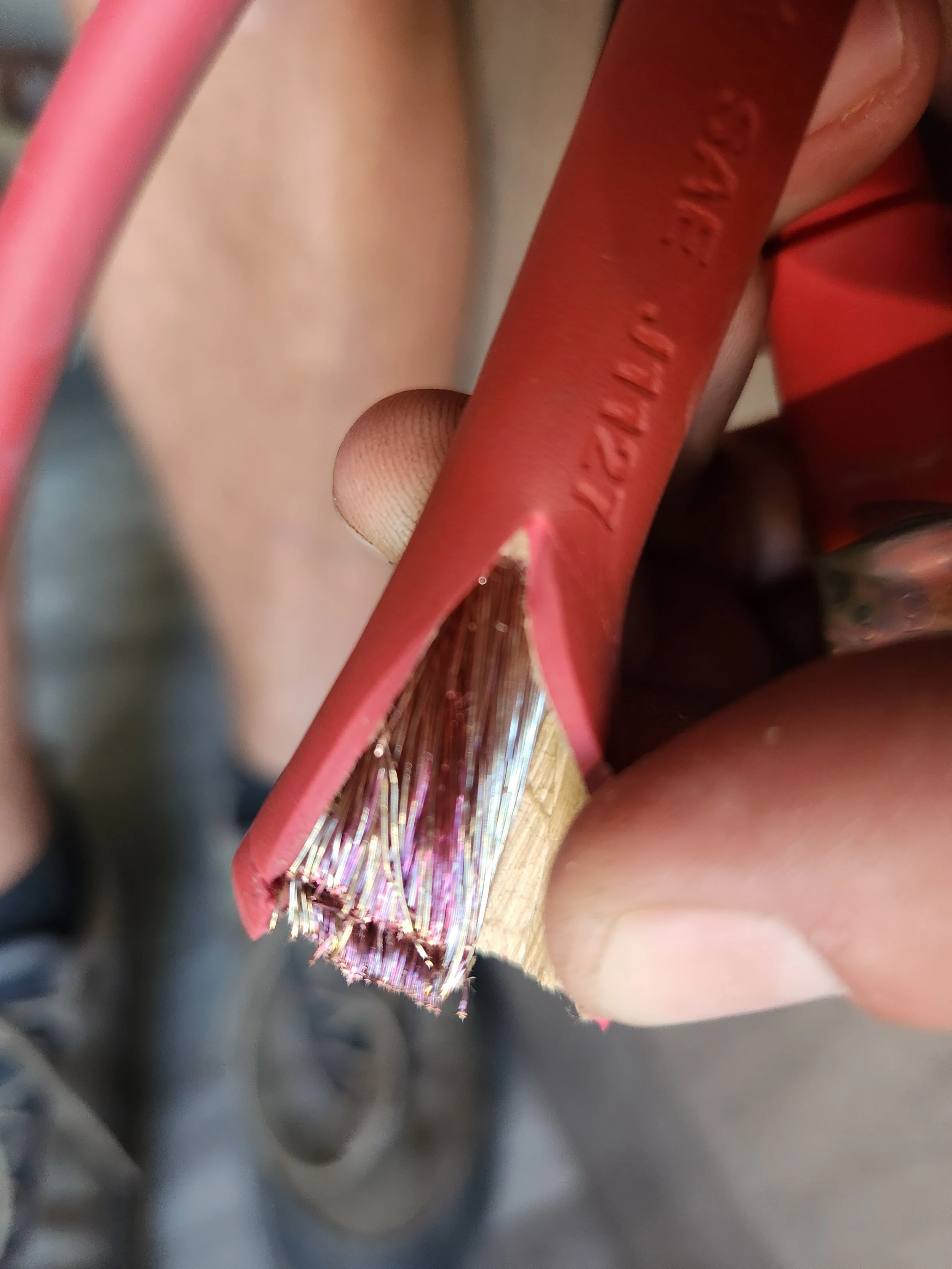
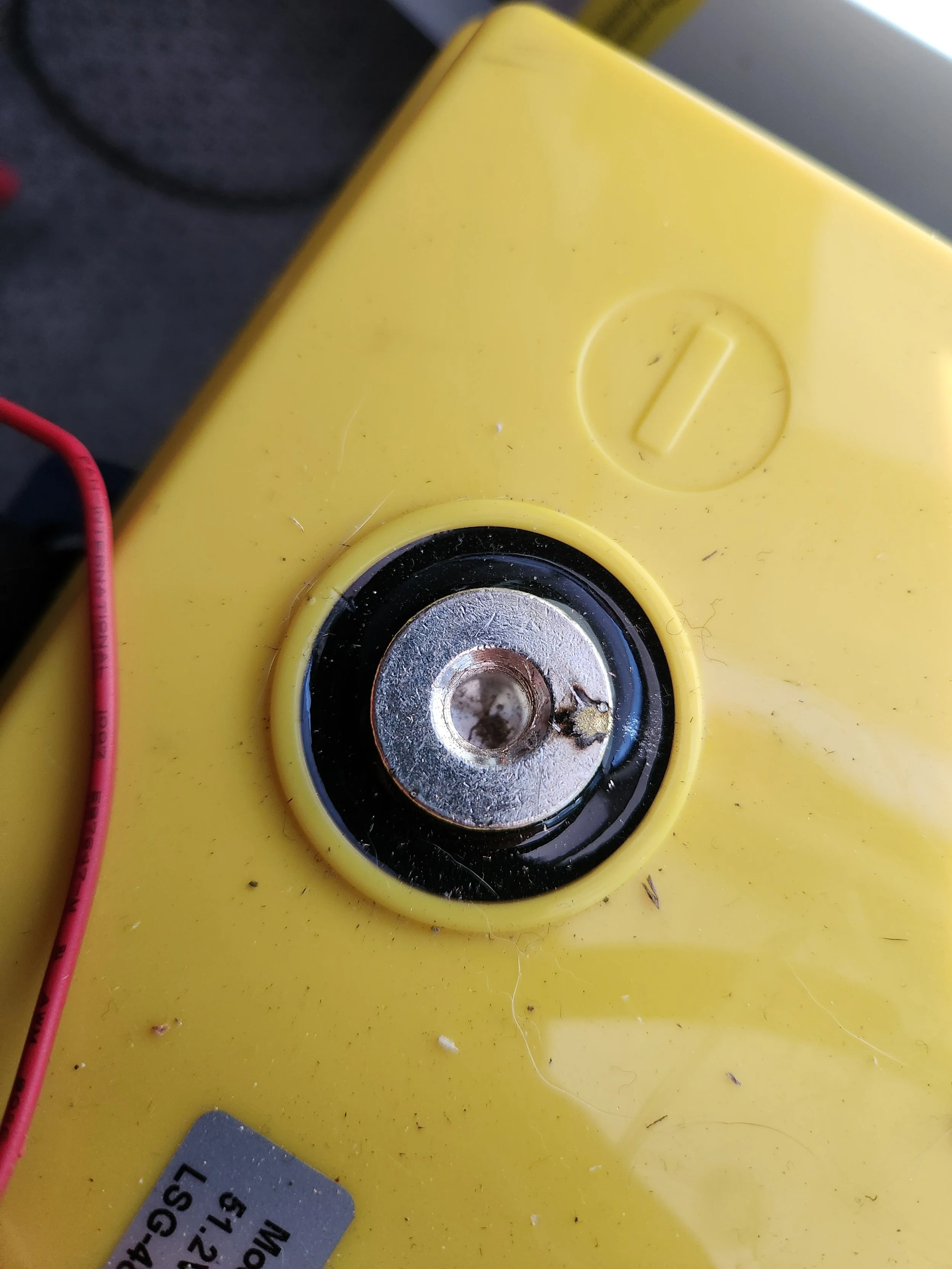
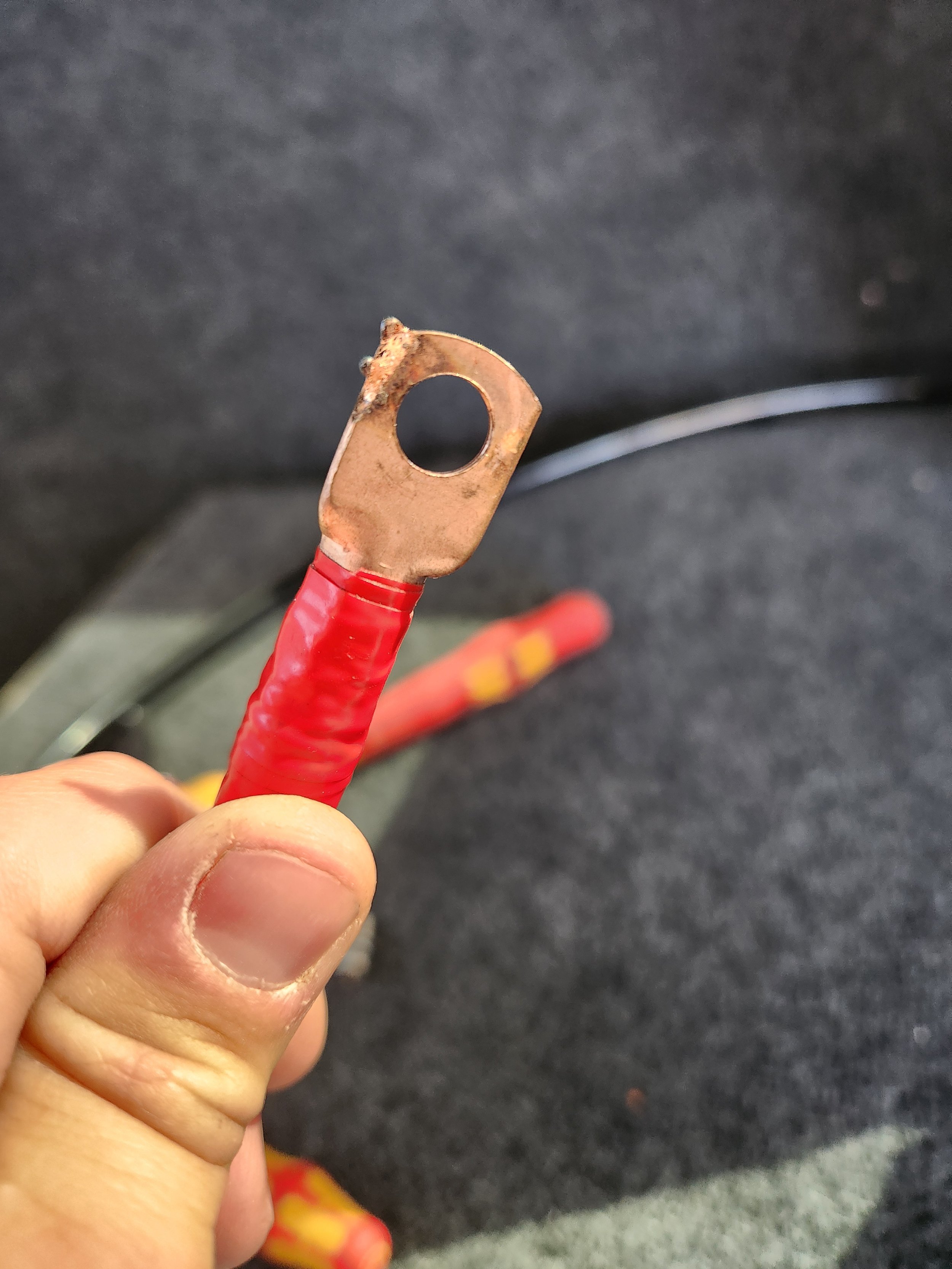
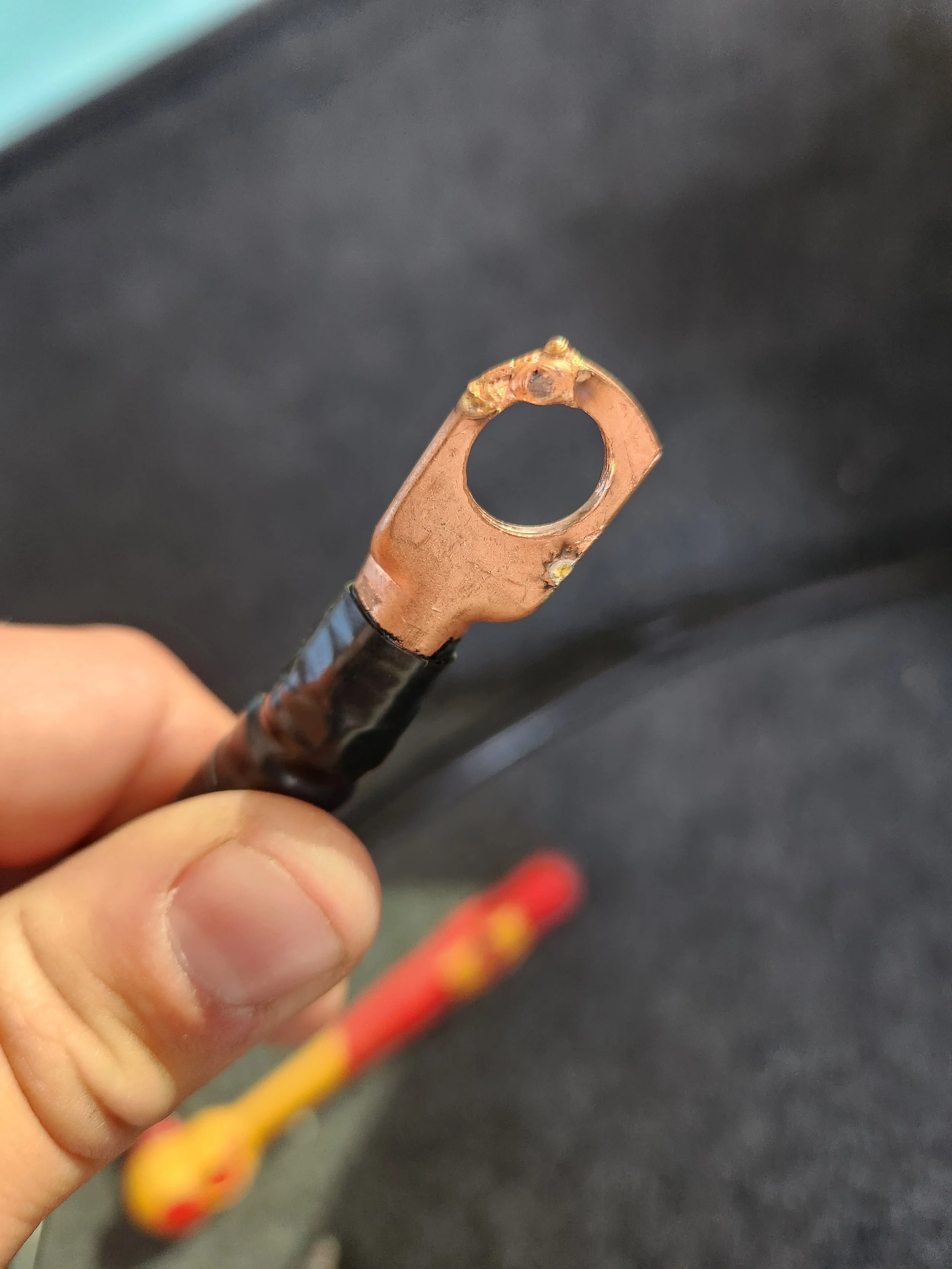
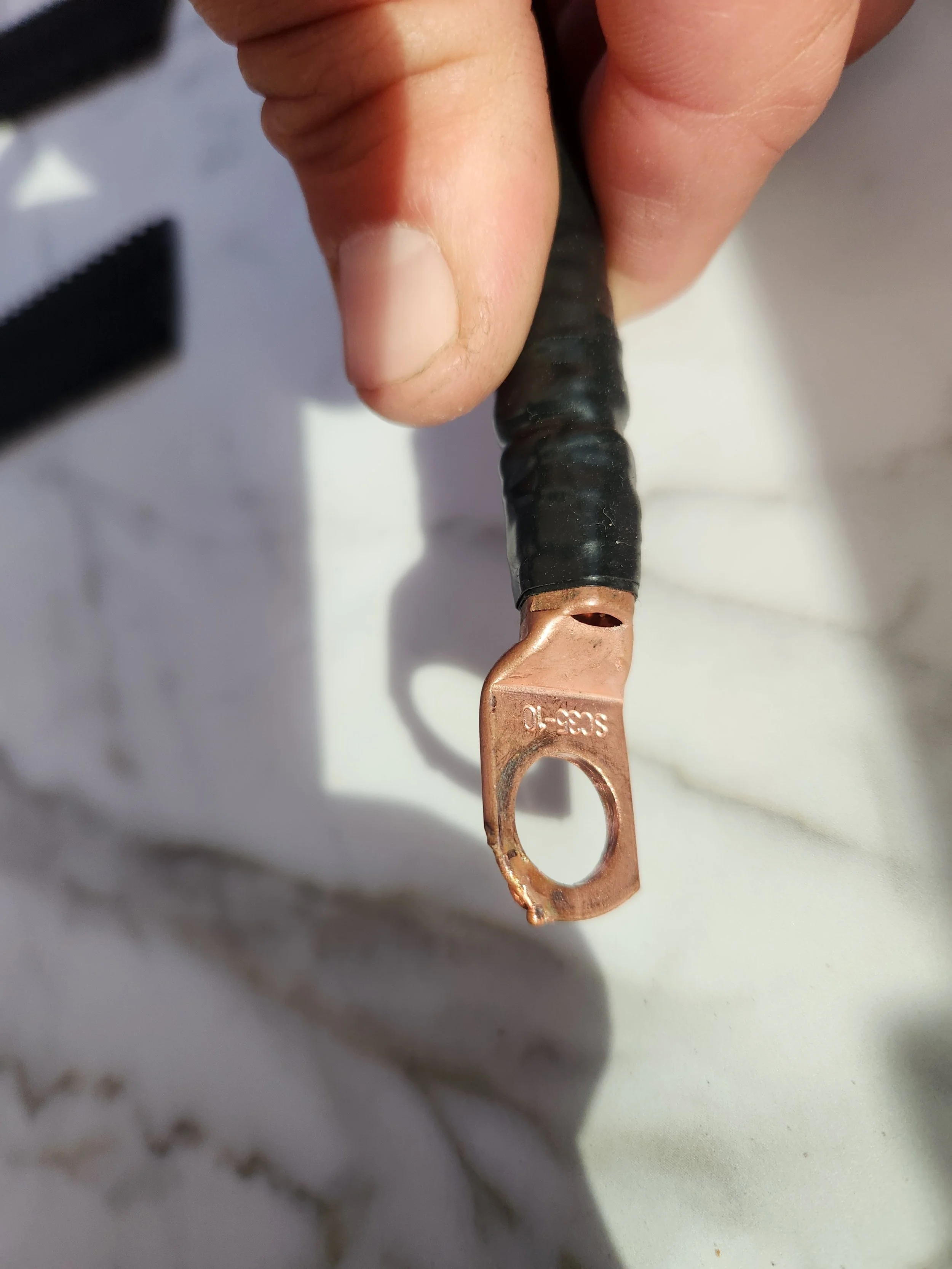
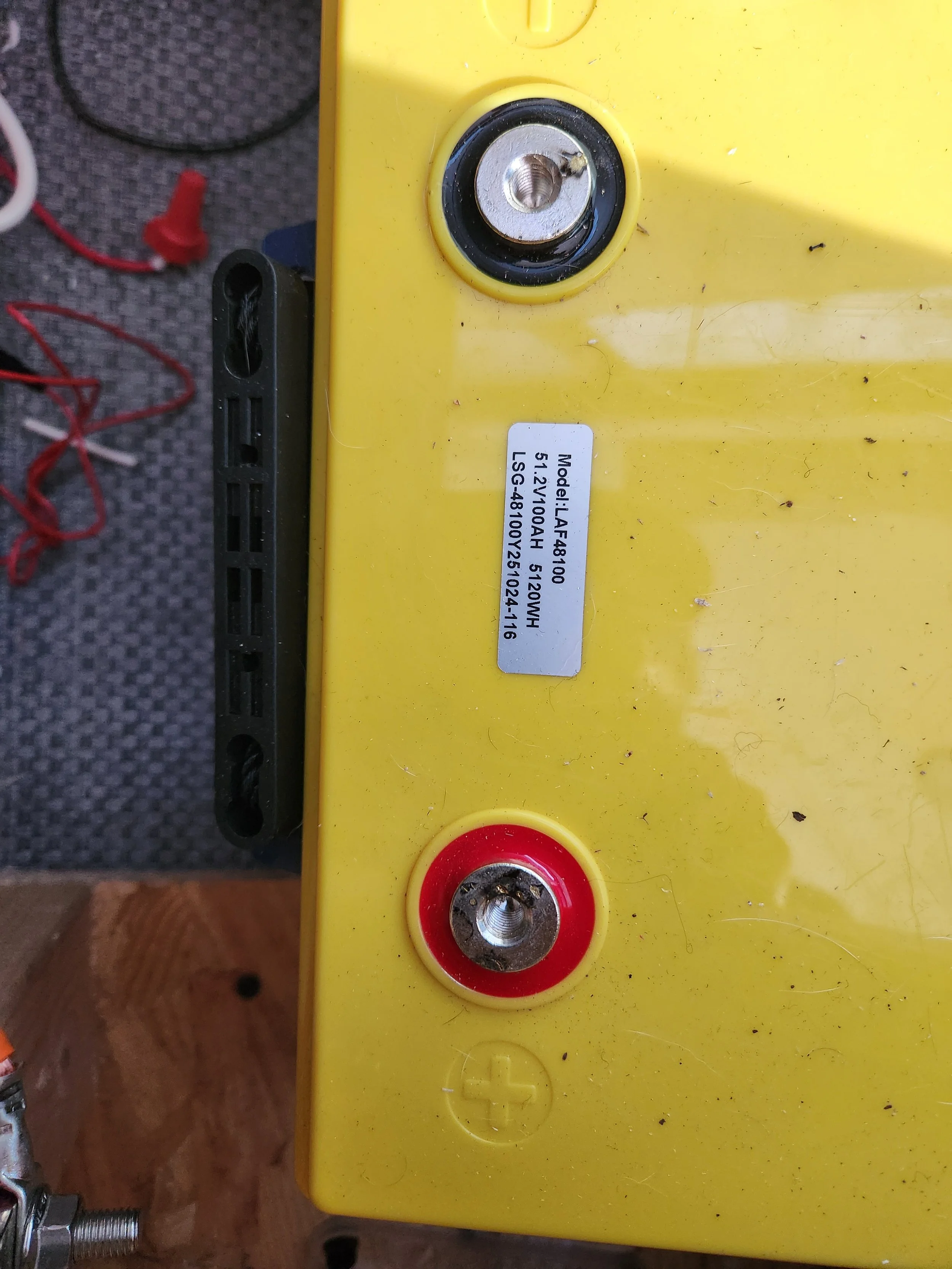
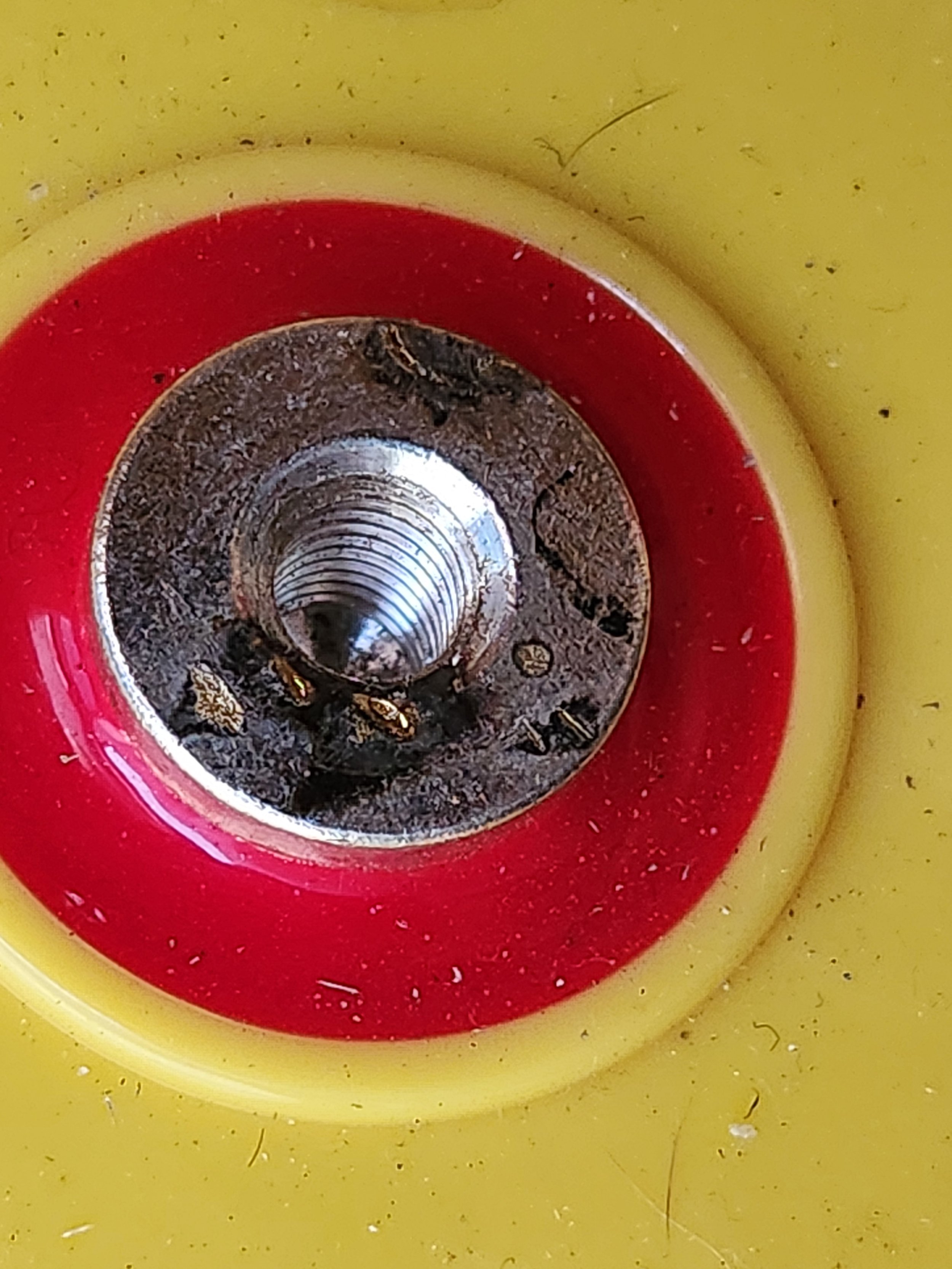
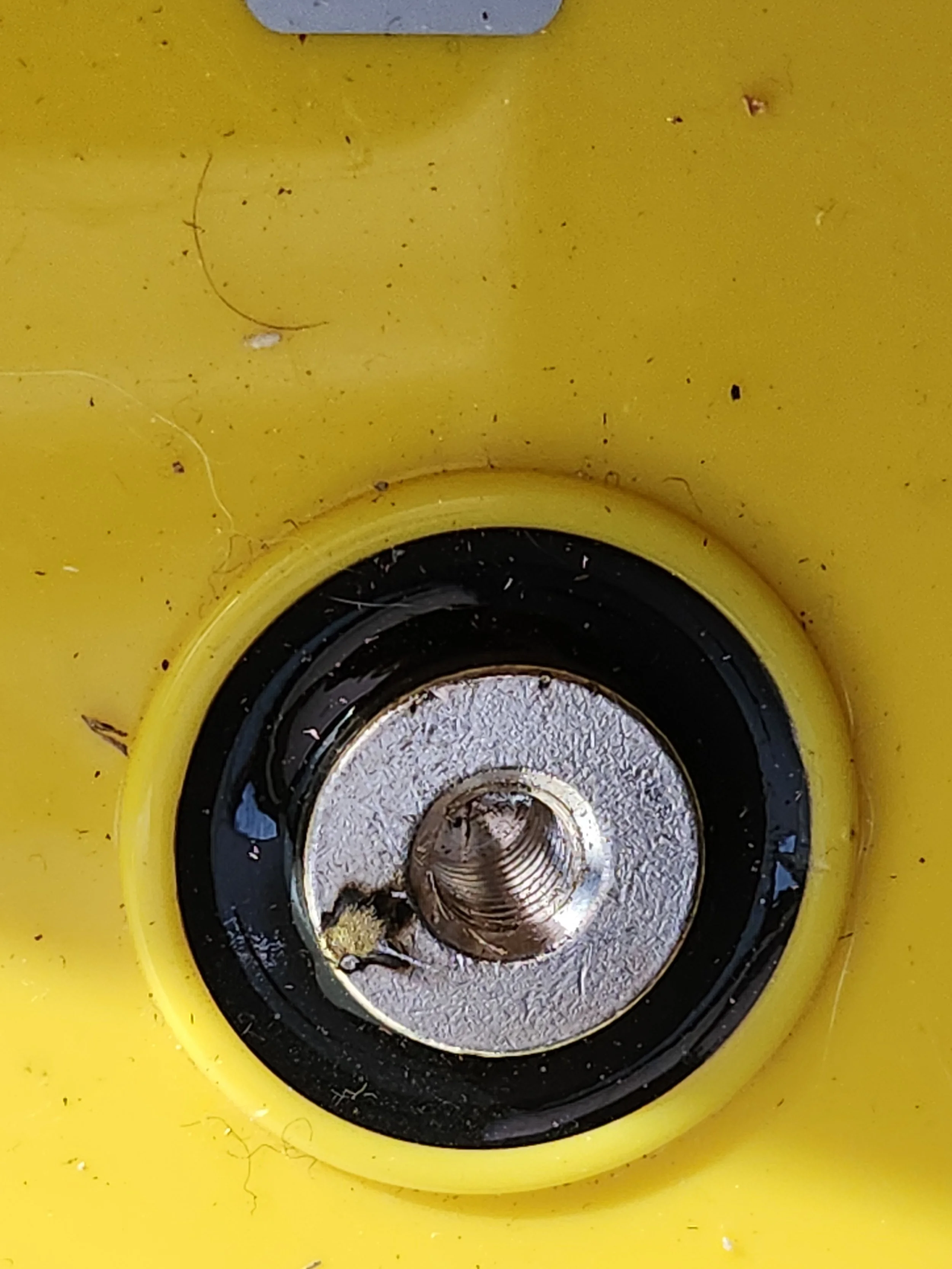
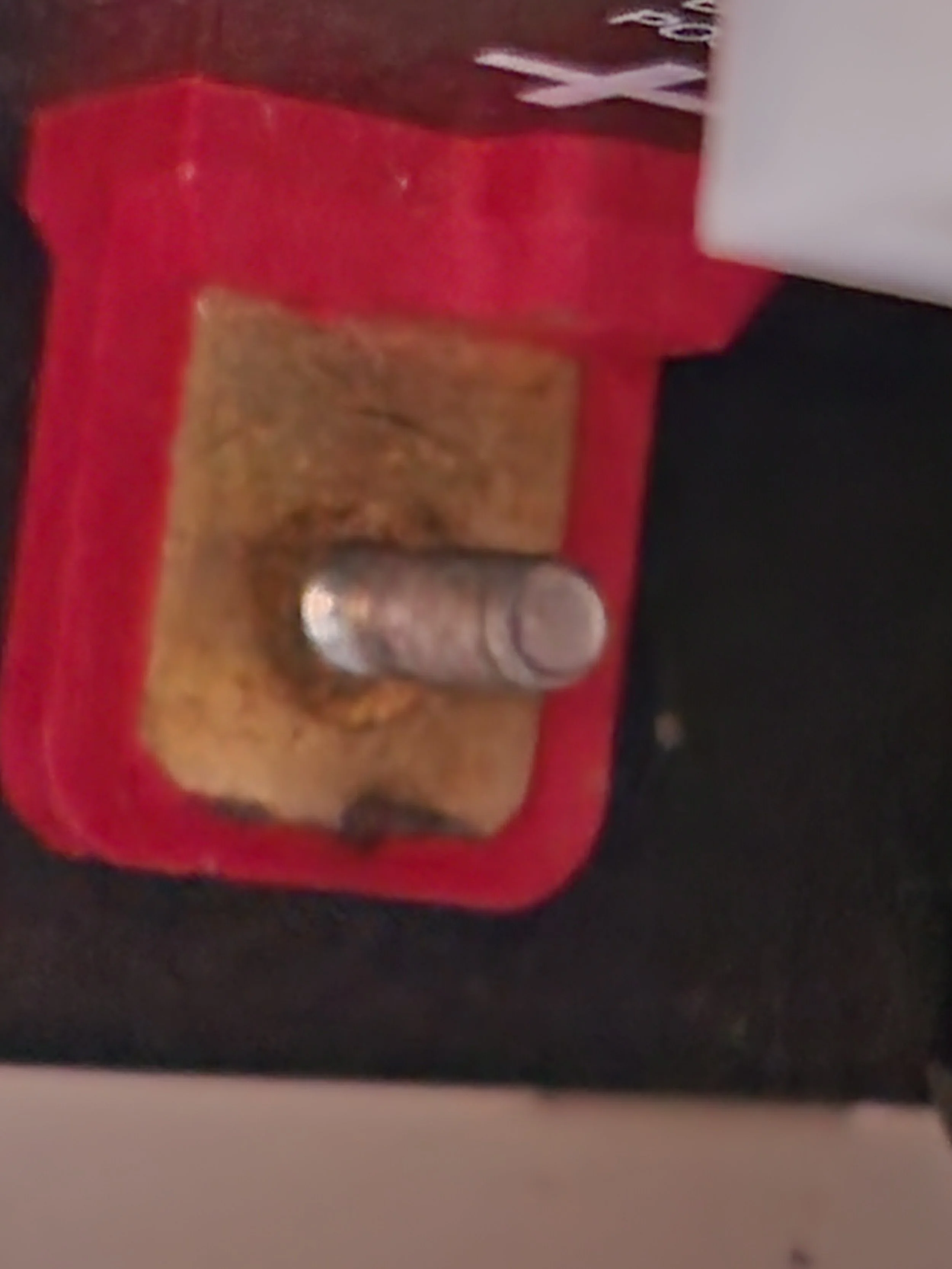
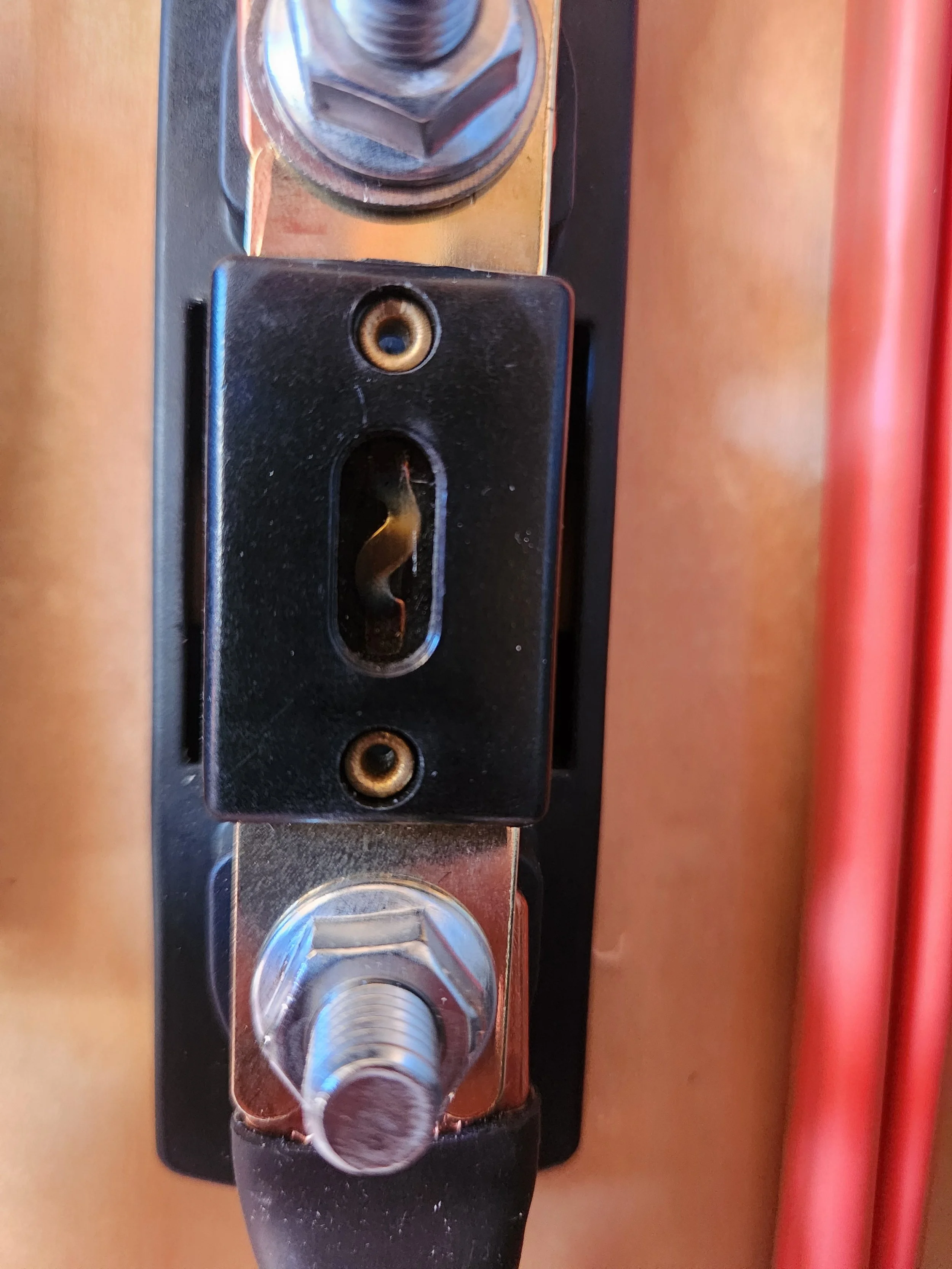
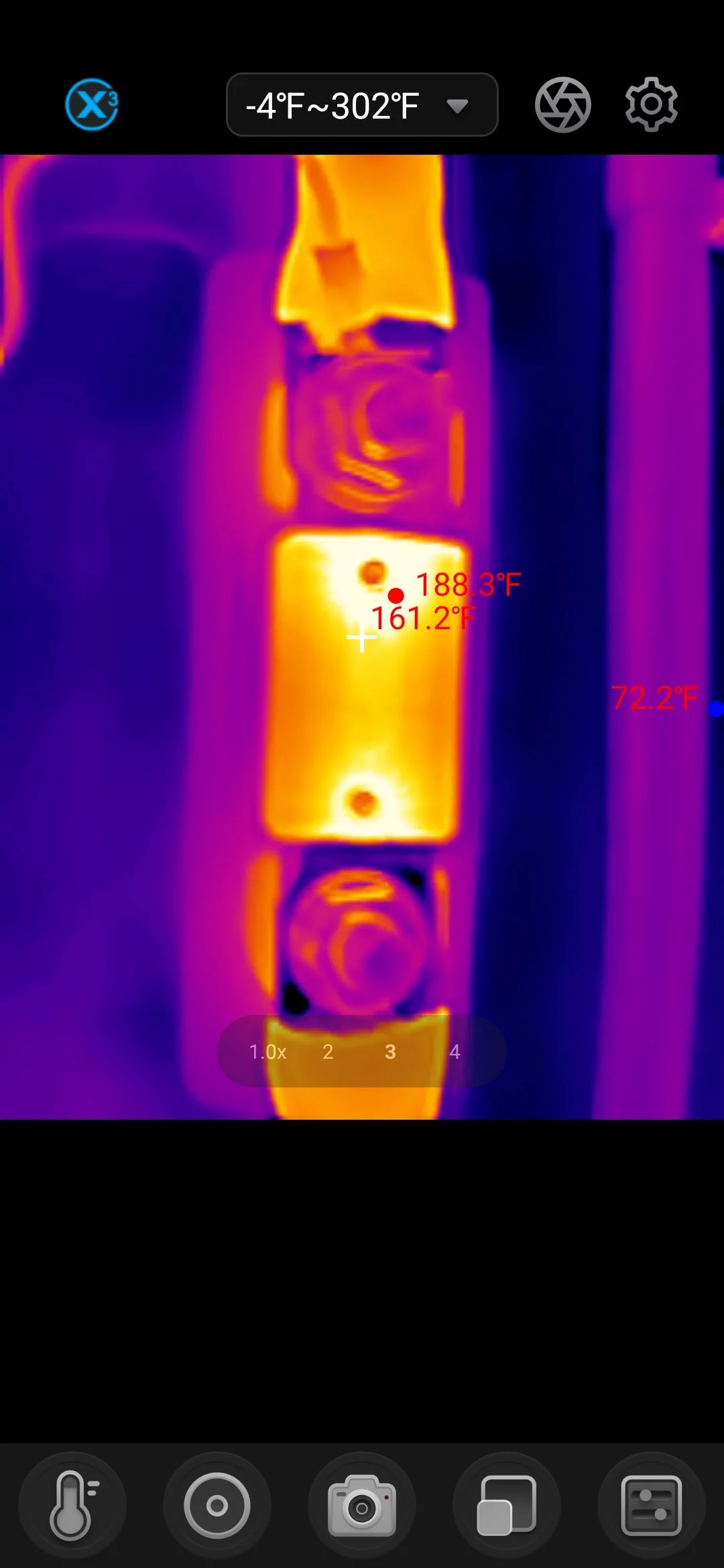
The #1 electrical issue that I see, and the one that is most likely to cause a fire, is loose electrical connections. When electricity flows through air, even just the tiniest amount at the molecular level, it creates heat. Get enough heat (200F or more), and you will start to see blown fuses (if they are sized correctly), discolored and melting copper, or a full-scale RV fire.
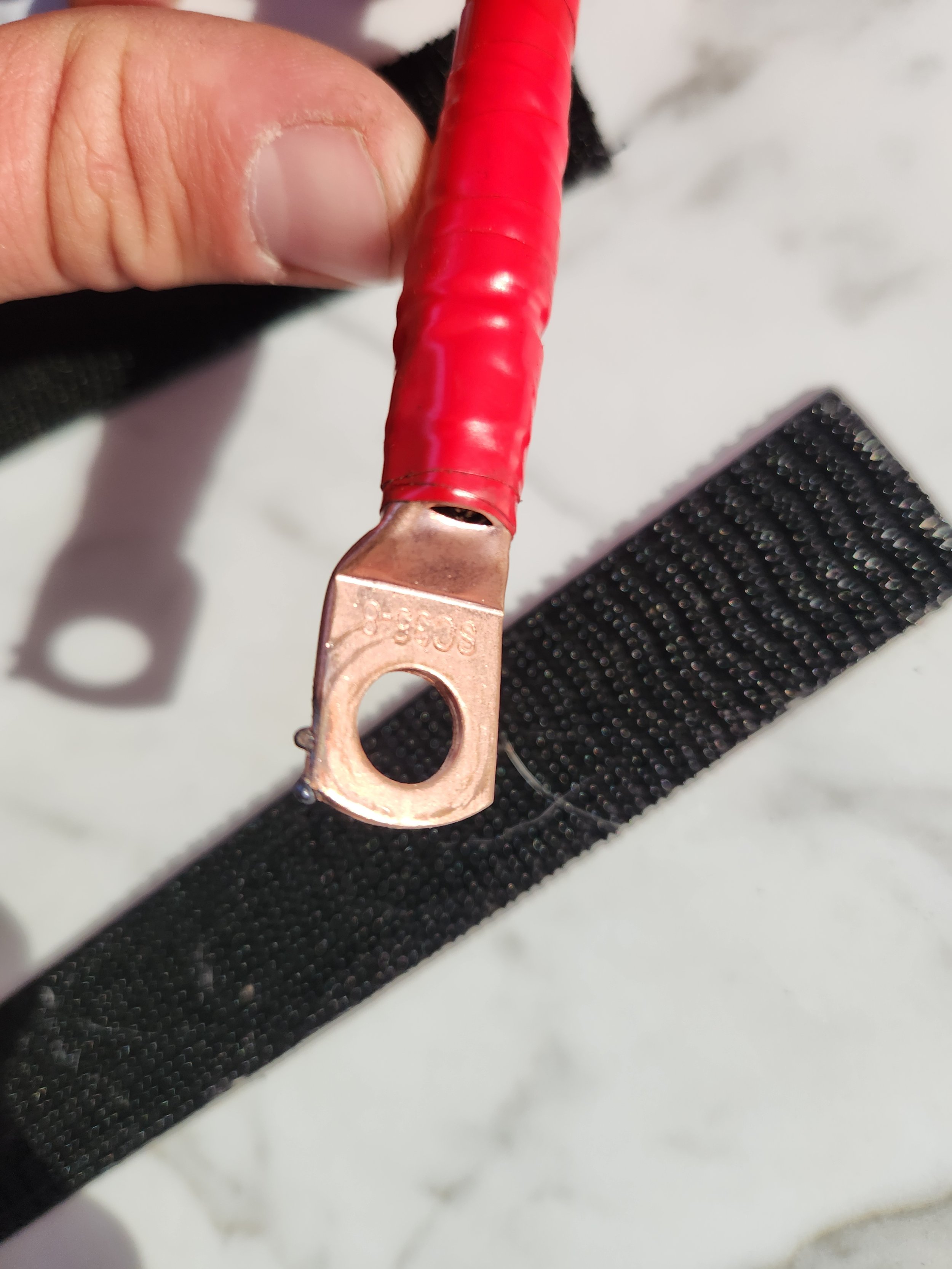
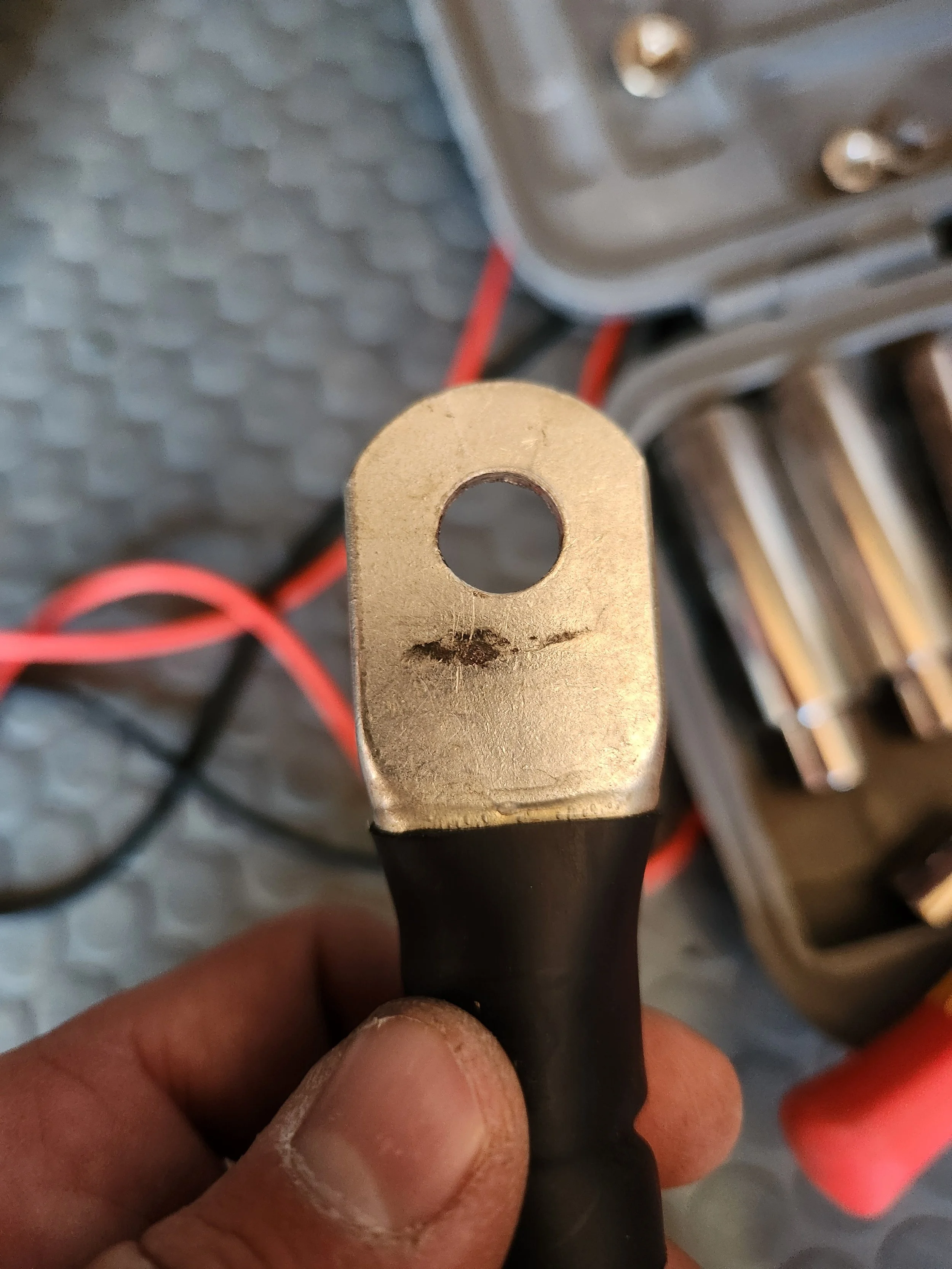
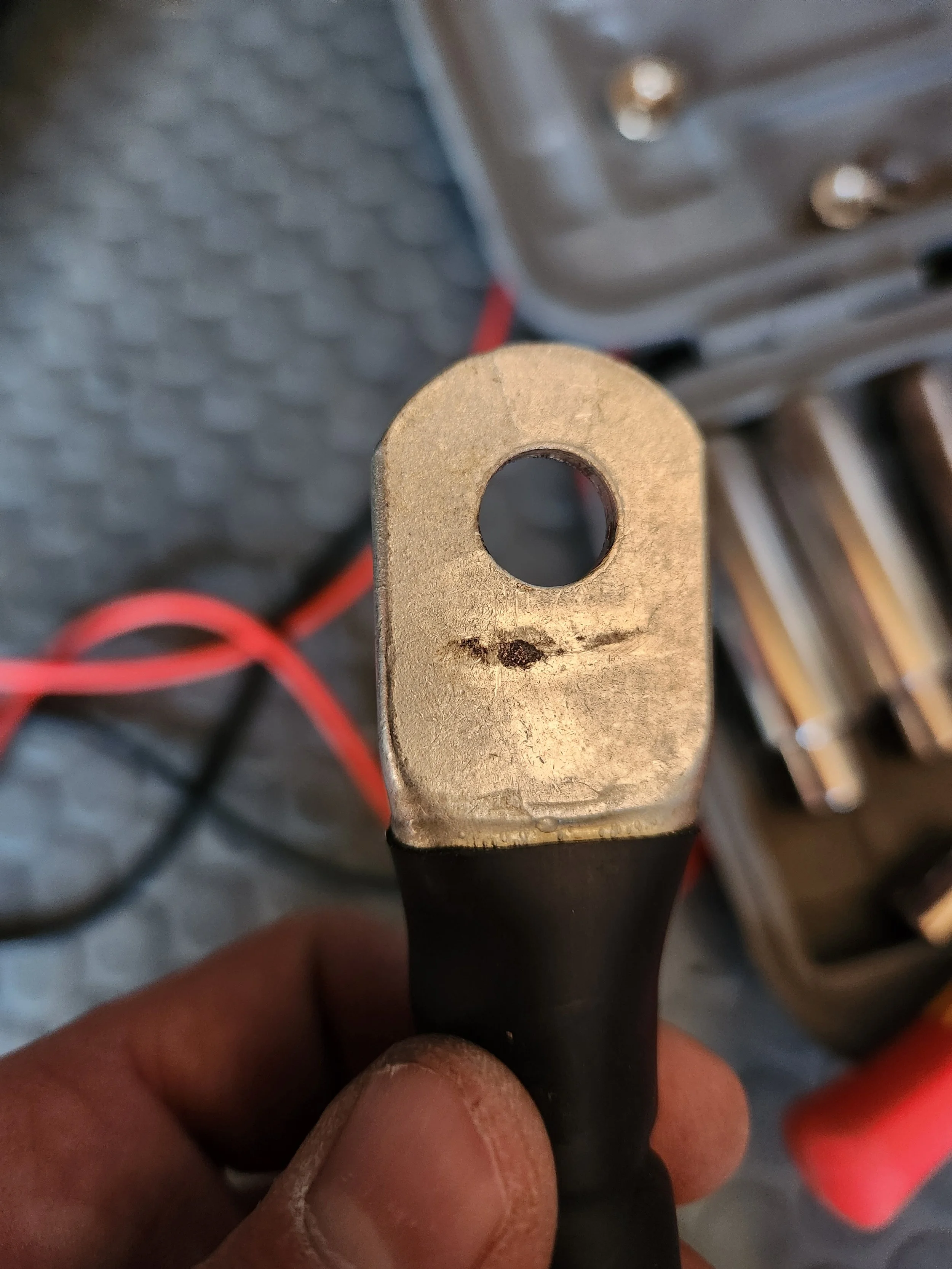
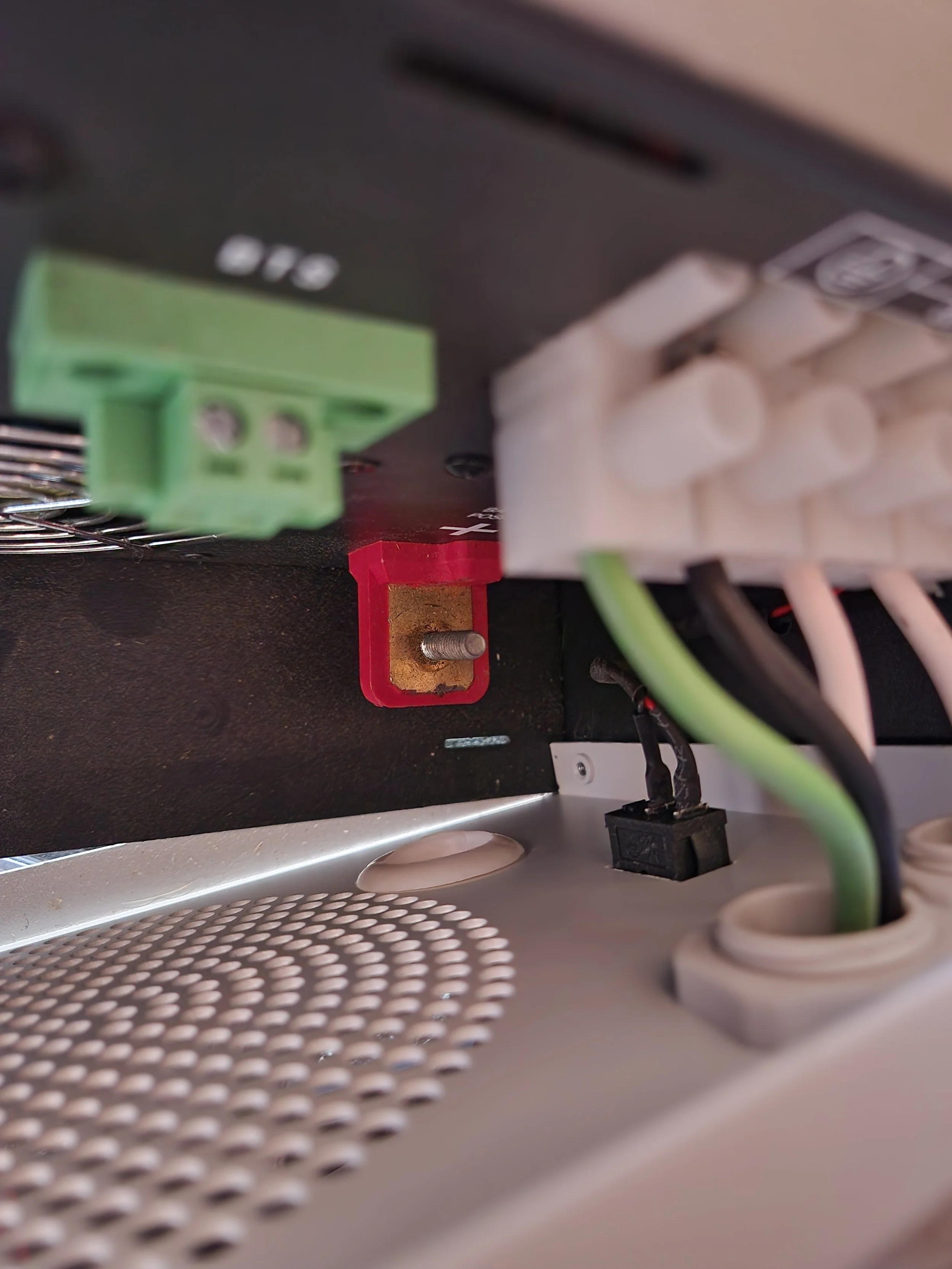
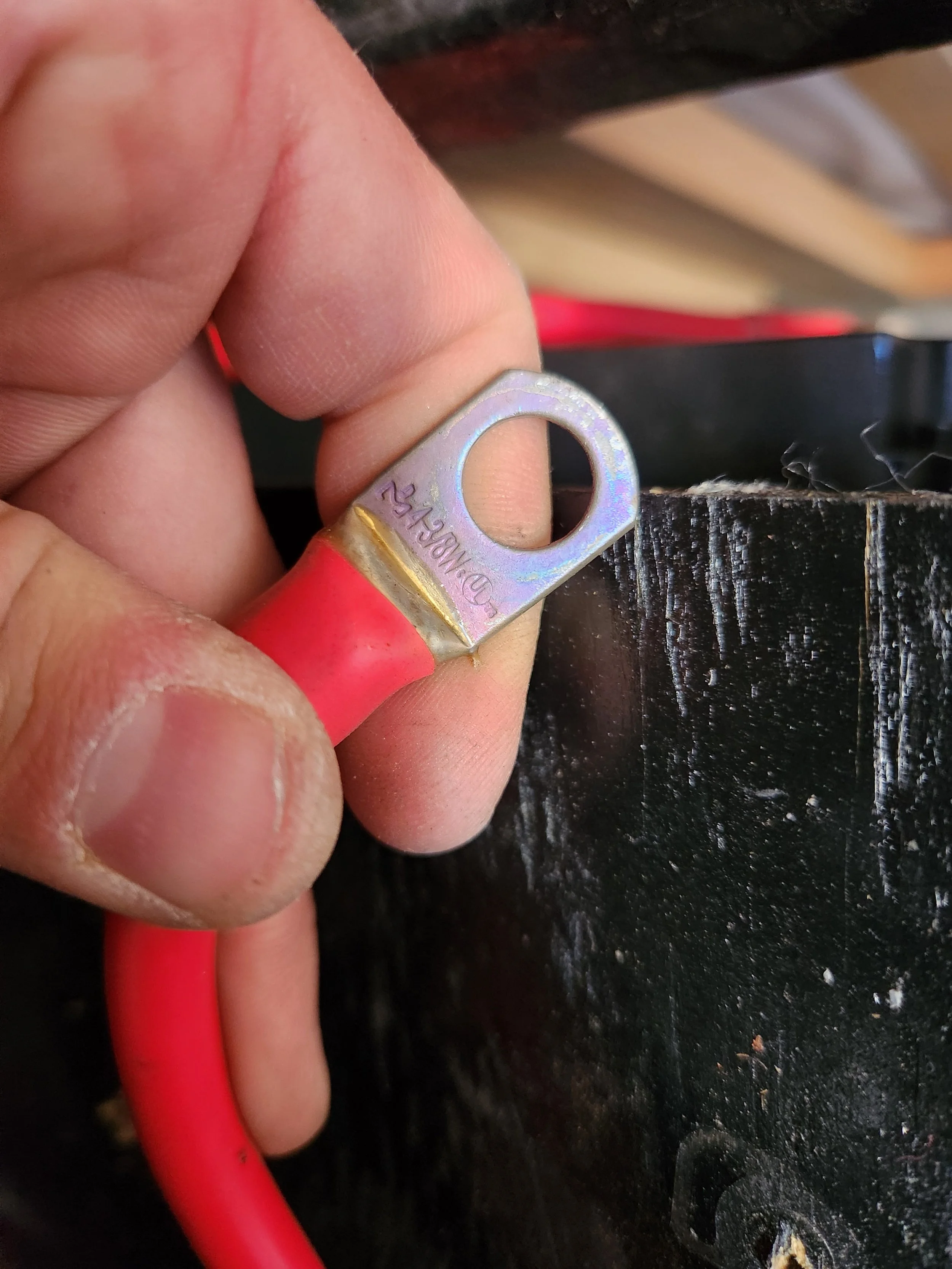
Another common problem? Damaged terminals from inverter connection sparks. If you don’t use a pre-charge resistor to limit current when connecting an inverter to a battery, you will get sparks as the capacitors charge. Sometimes these sparks can be so bad that they melt copper lugs! That’s why we always use a pre-charge resistor when connecting inverters, MPPTs, and any other electronics with big input capacitors to a battery.
When Exposed Copper Meets The Elements
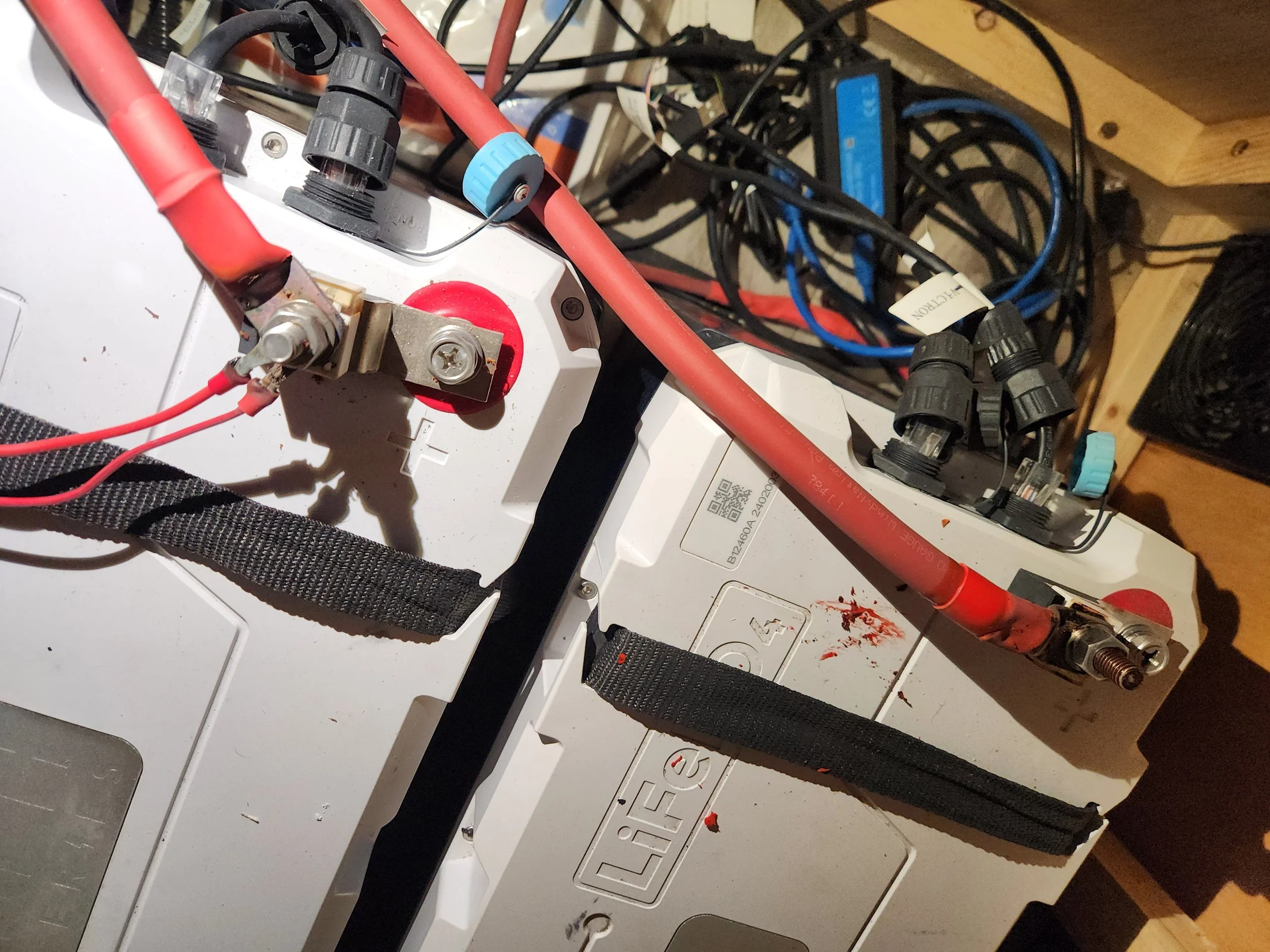
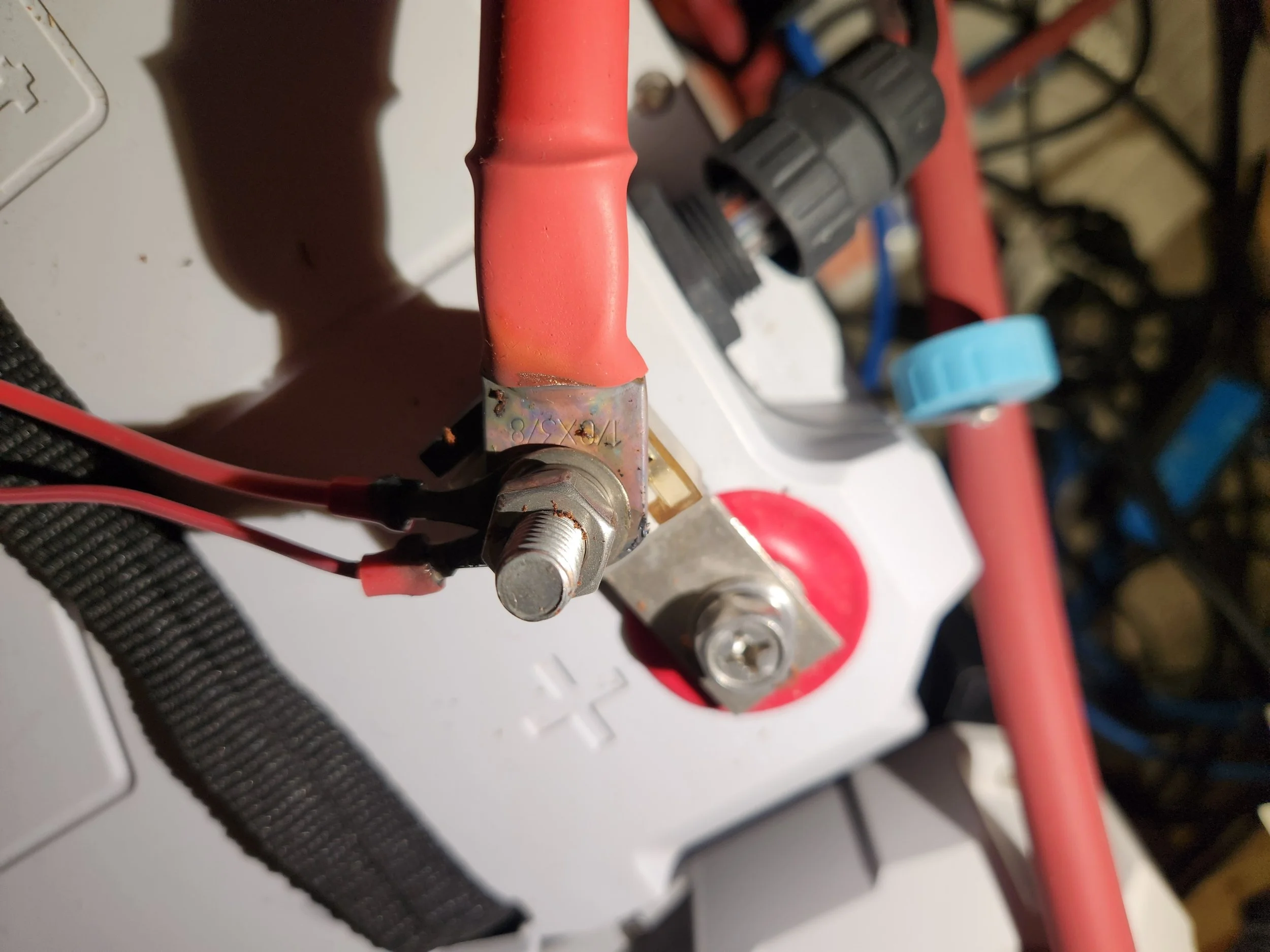
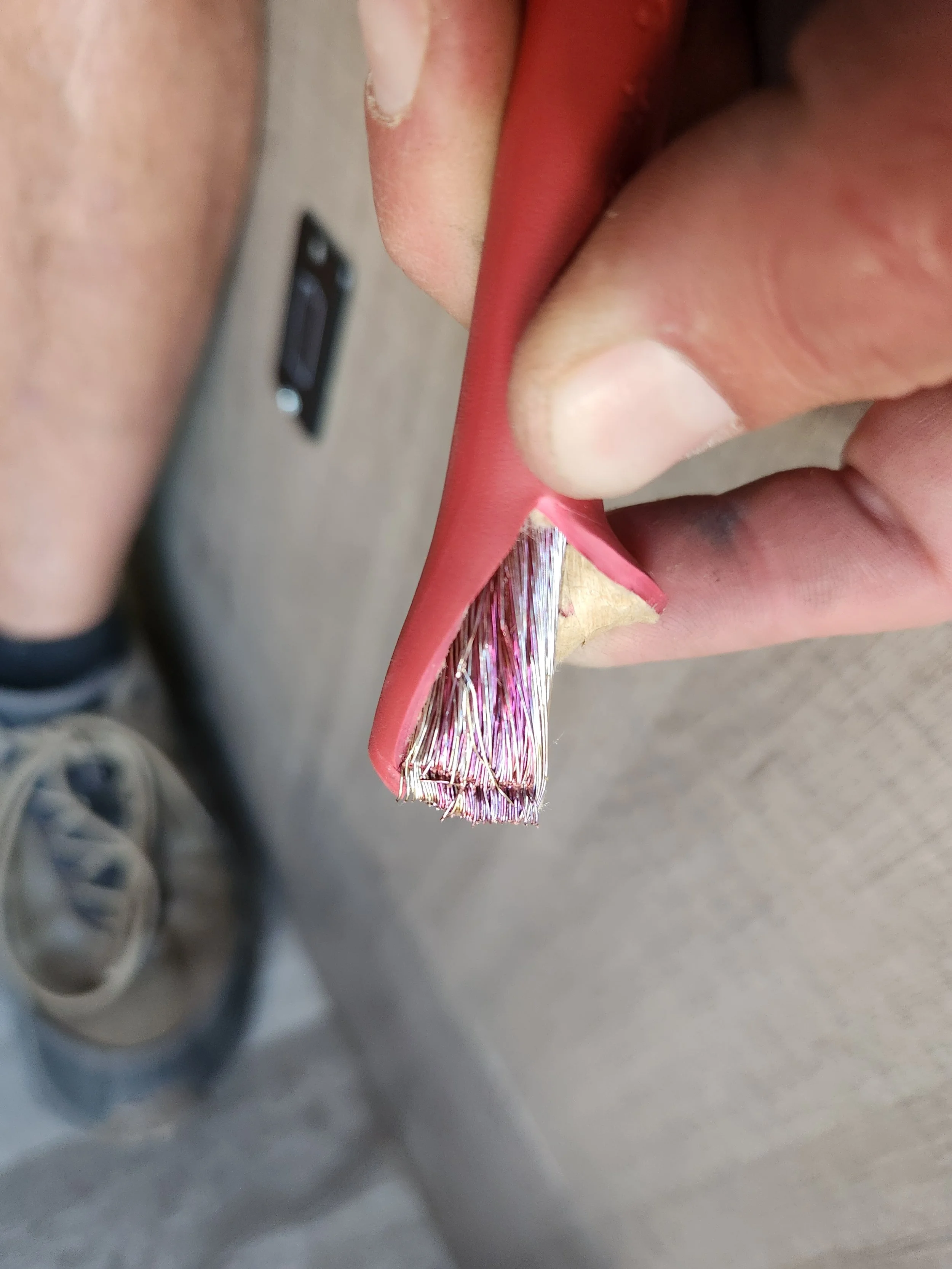
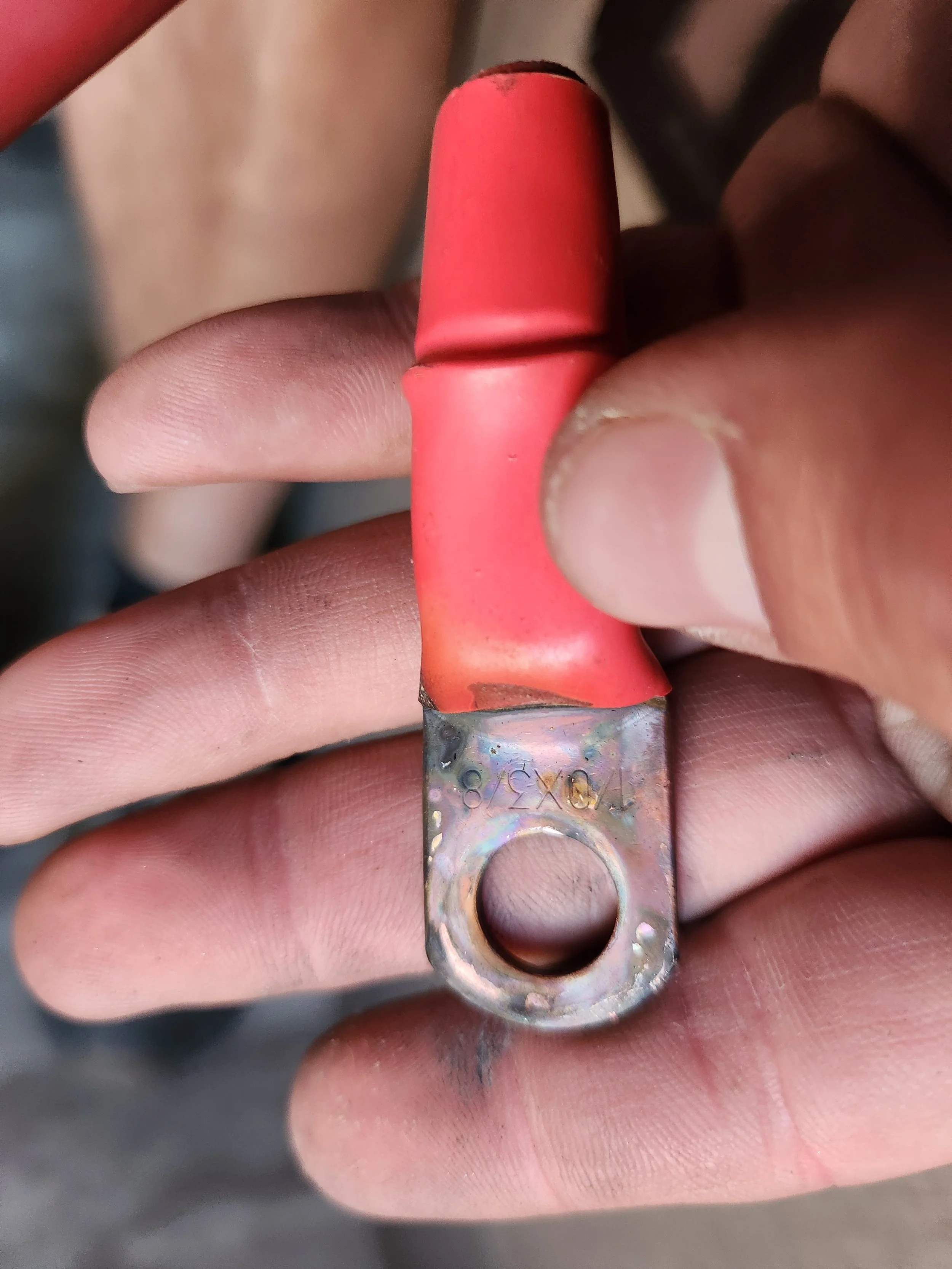
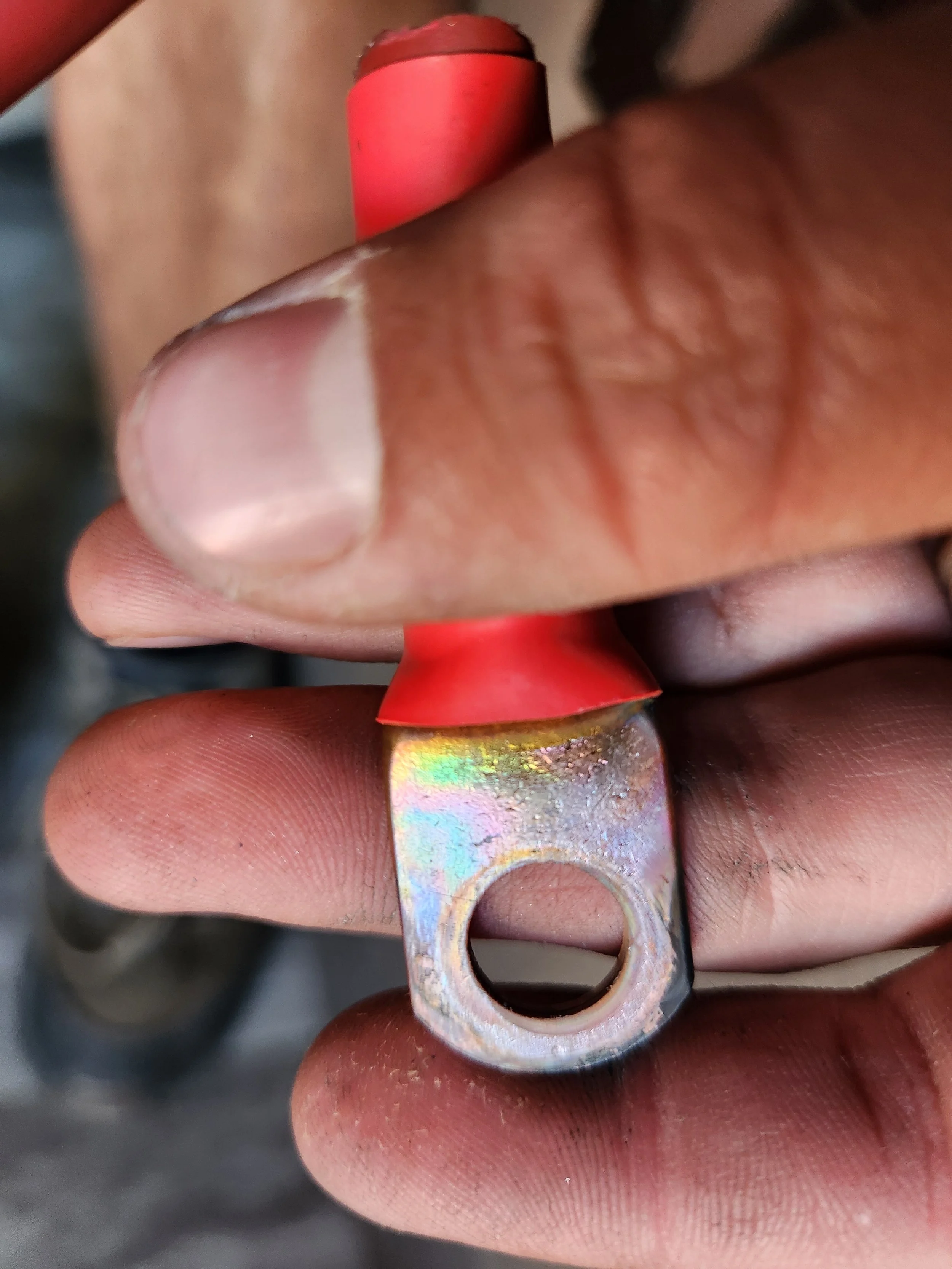
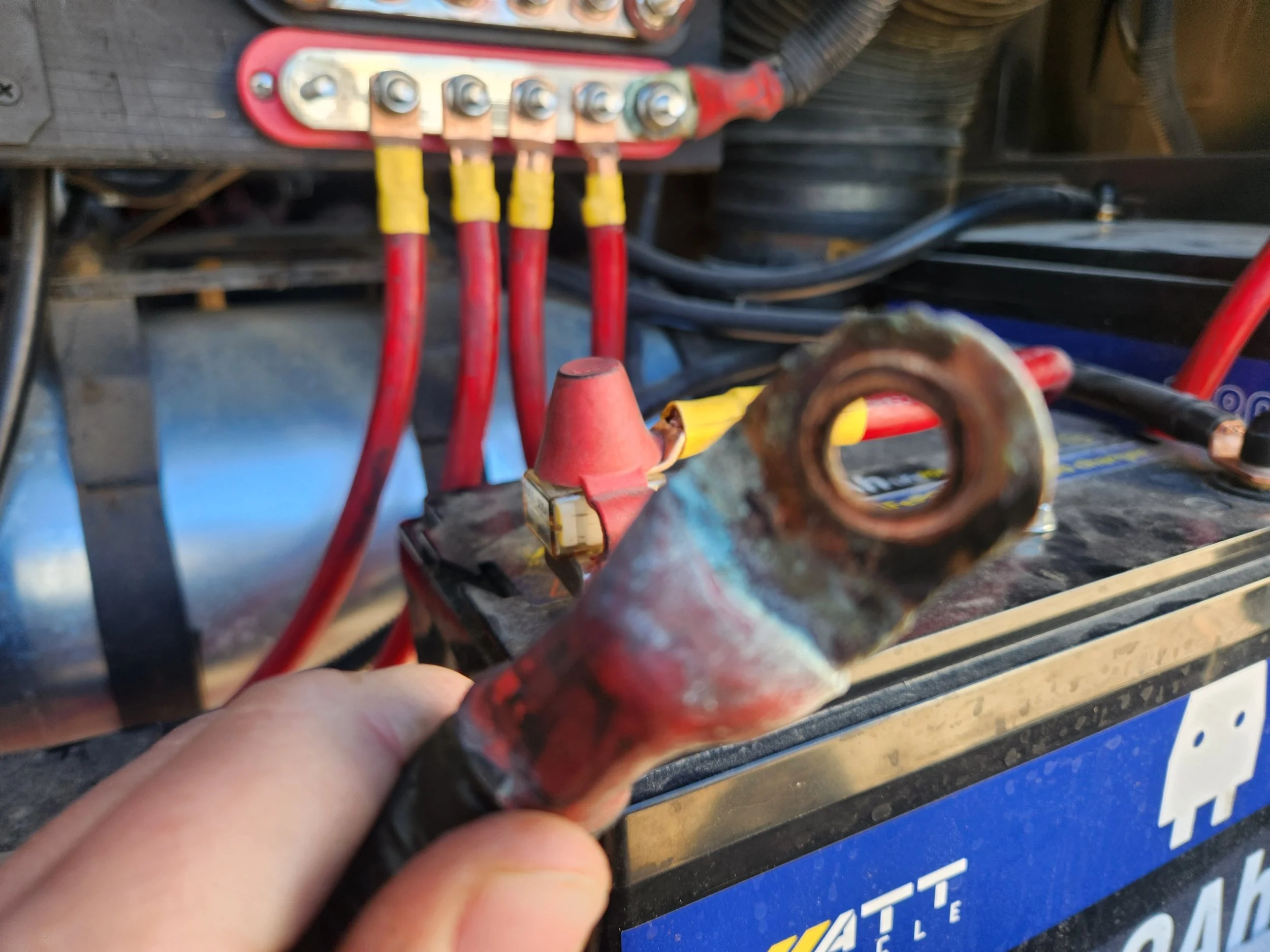
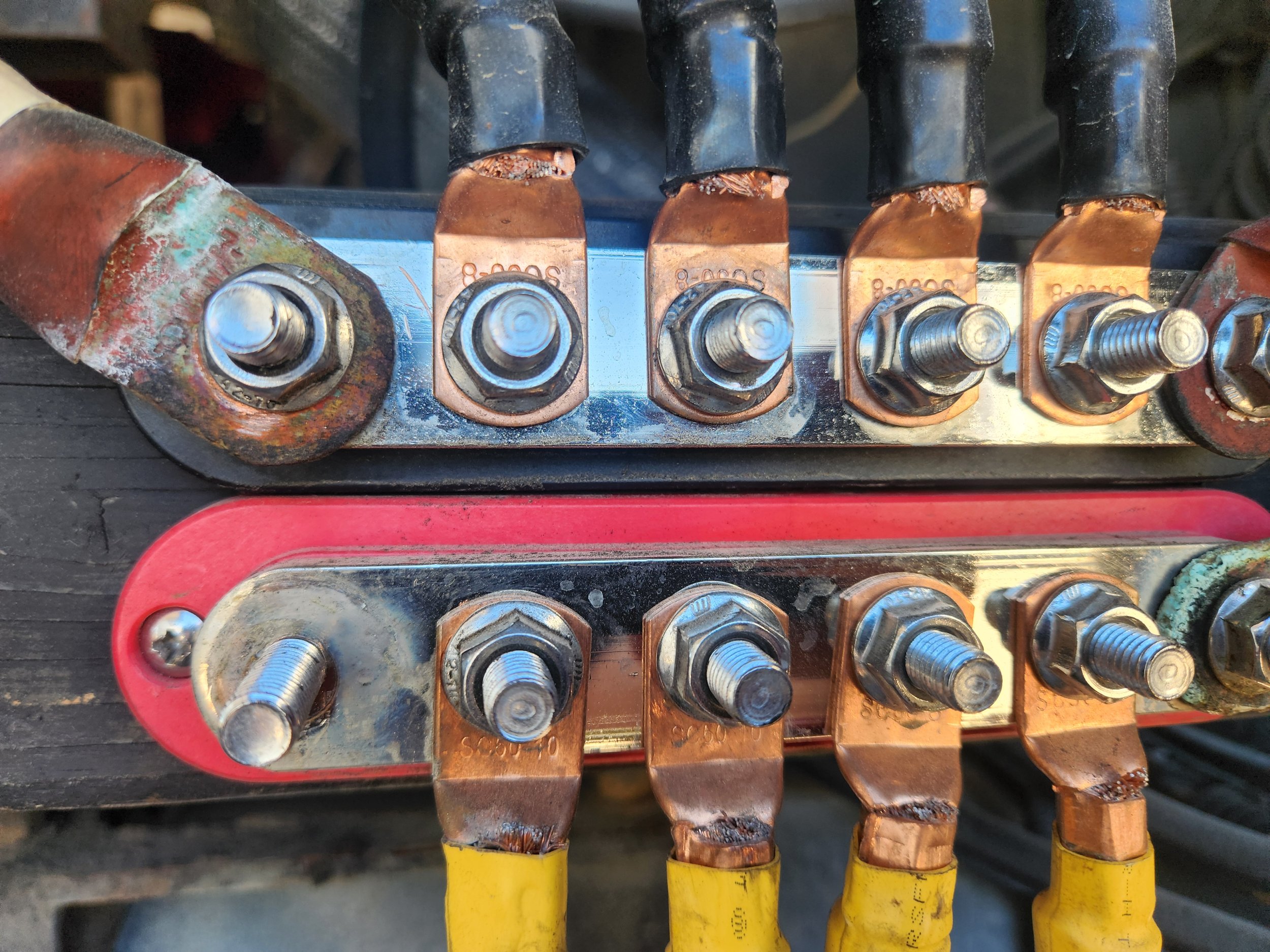
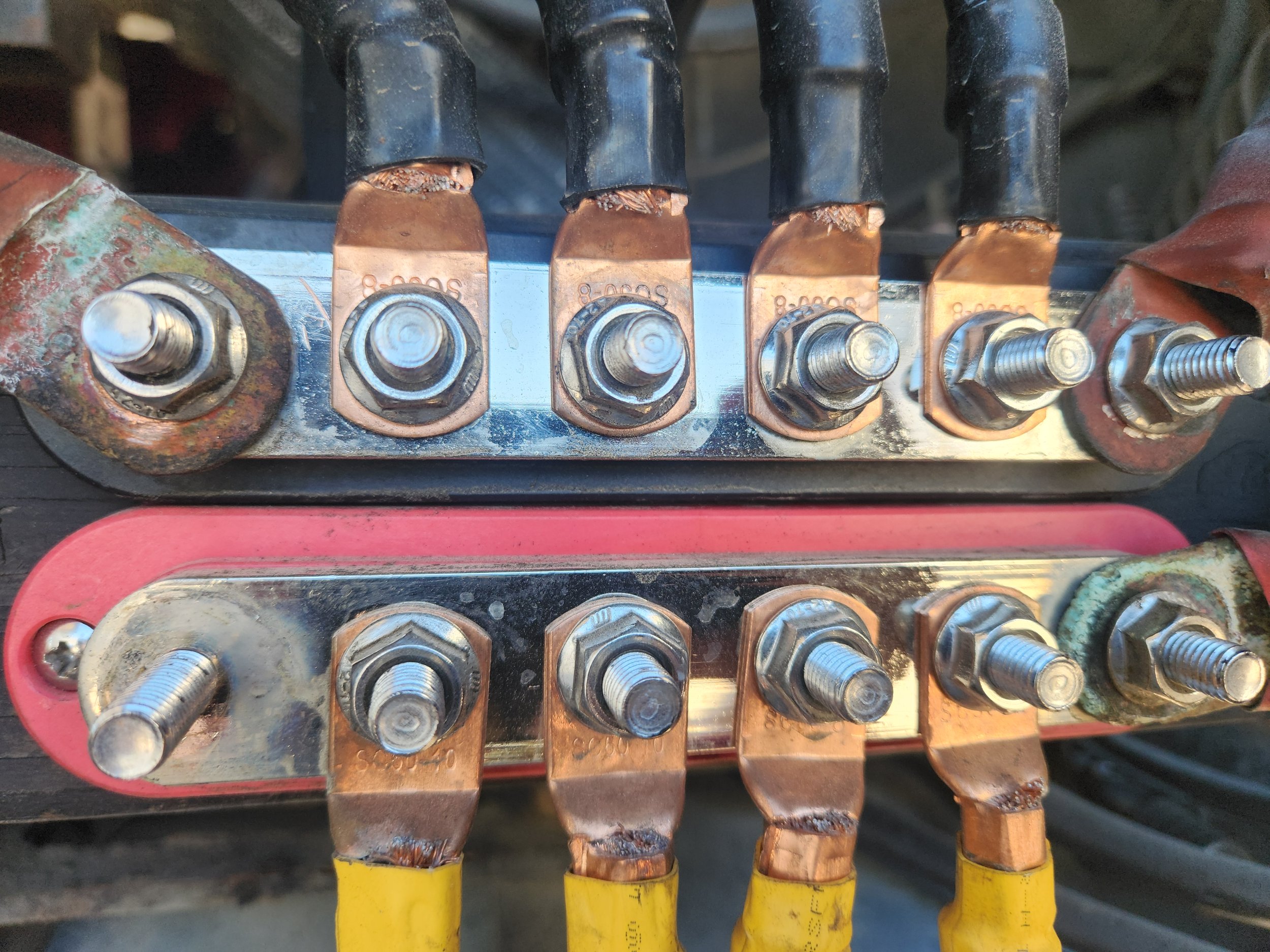
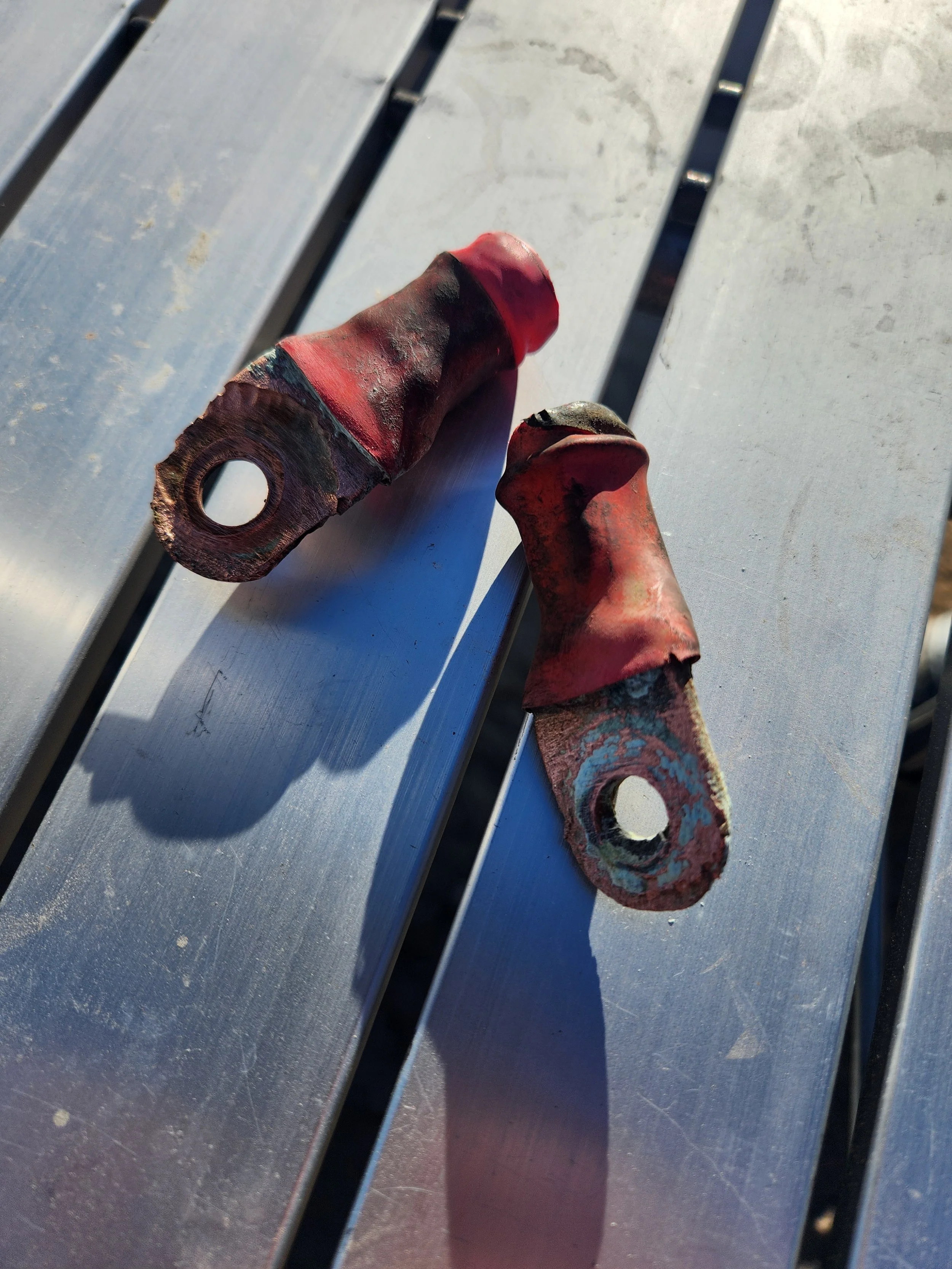
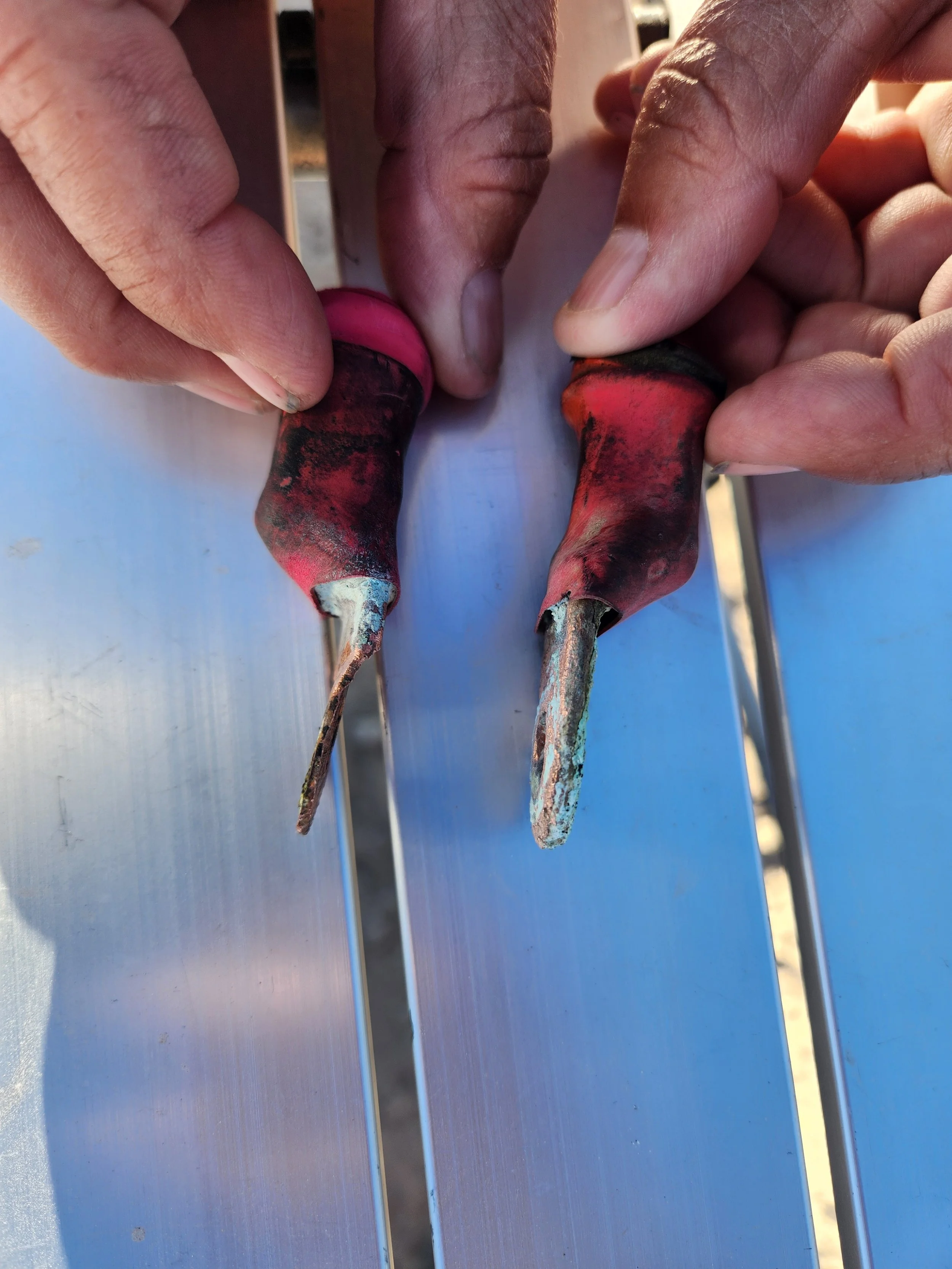
In general, copper exposed to water is going to oxidize and resist the flow of current. But what happens when you pair that with leaked sulfuric acid from a Lead-Acid battery’s electrolyte? This installer had converted a motorhome’s Lead-Acid house batteries to Lithium. And while they had the right idea of using a battery bus, they just butchered the execution. They reused the existing 4/0 lugs which were tied to the Lead-Acid house batteries, and tapped them to either end of a 6-lug bus bar. But they didn’t replace or even attempt to clean the lugs! At some point, this copper was exposed to electrolyte which made them extremely thin and brittle. I’m honestly surprised this didn’t cause a fire or similar issues.
By the way, I suspect this installer didn’t replace the 4/0 lugs because he didn’t have a hydraulic crimper or lugs on hand to redo the connections. Bad installers don’t have the right tools for specialty work - which is why we invested in a heavy-duty hydraulic crimper good for up to 600MCM (utility-sized) cable early on.
An RV Fire - The Worst-Case Scenario
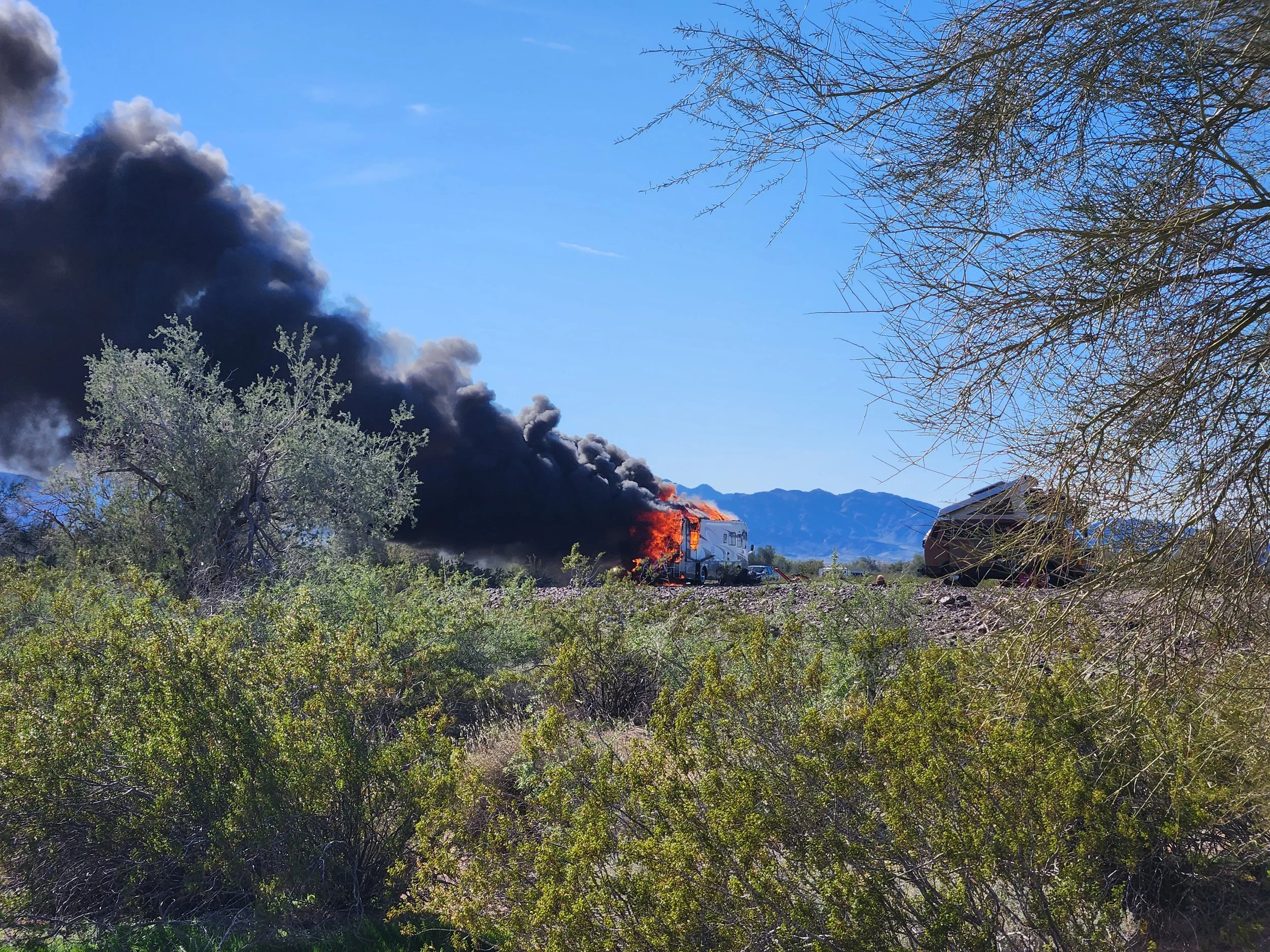
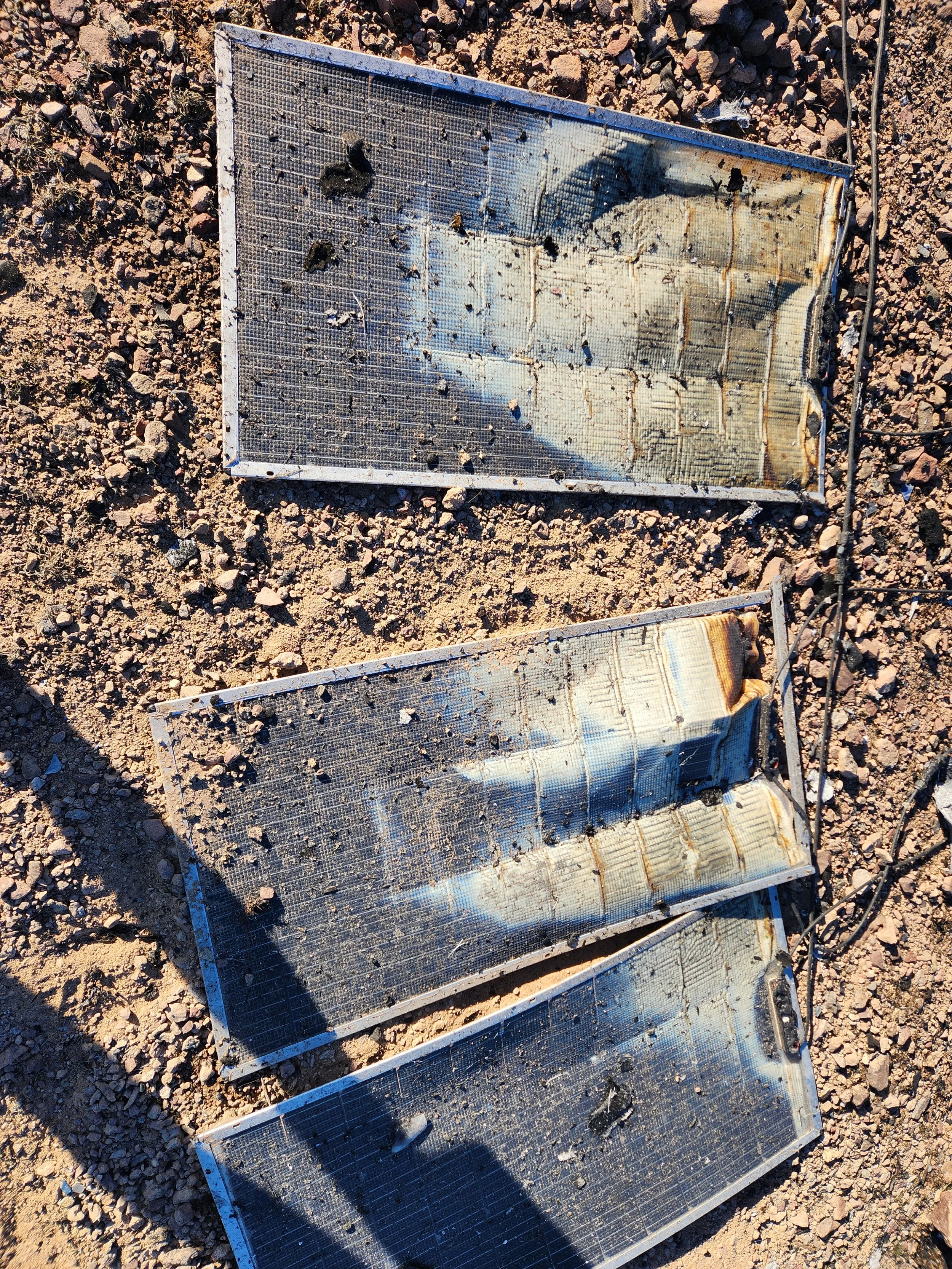
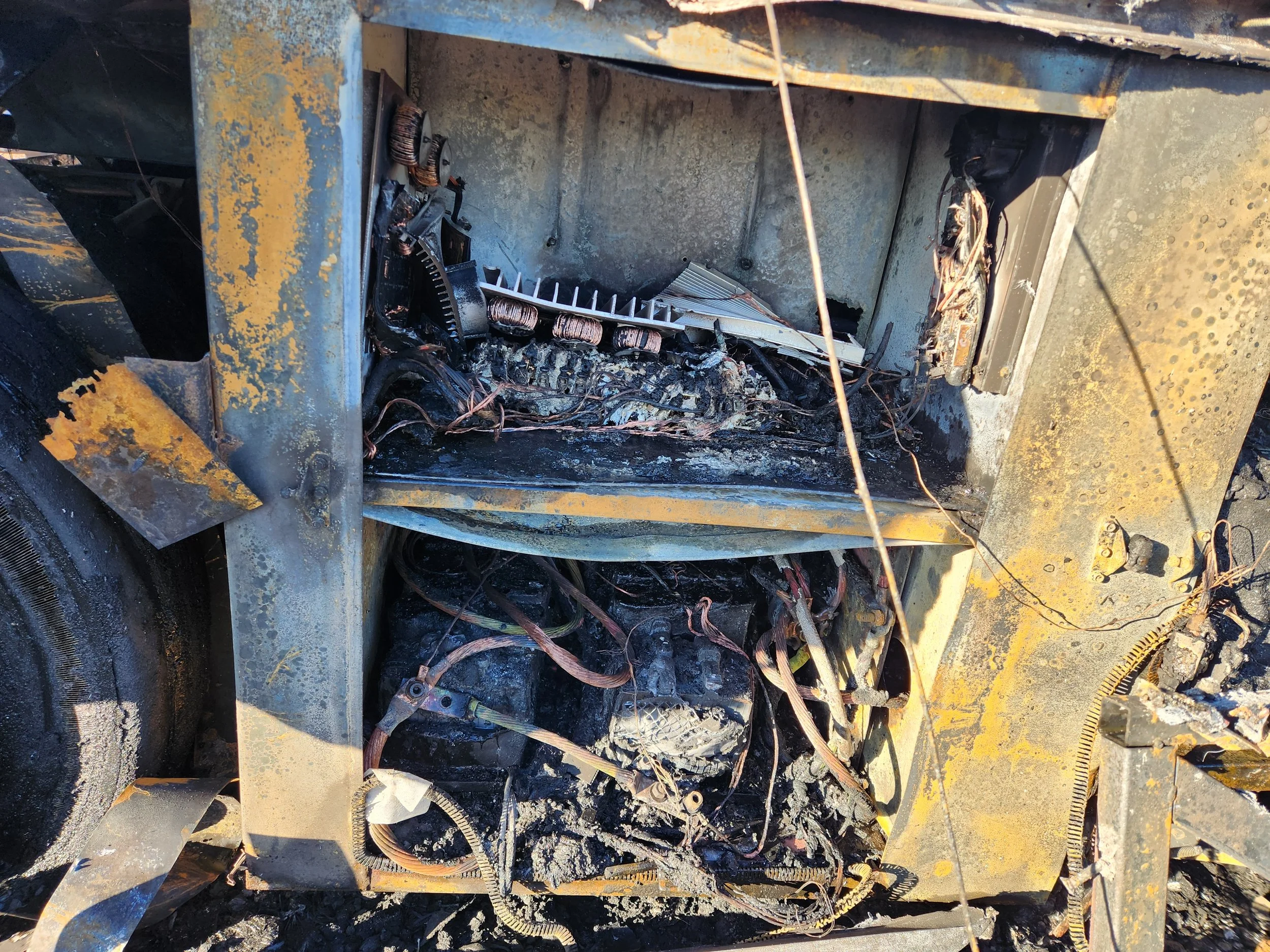
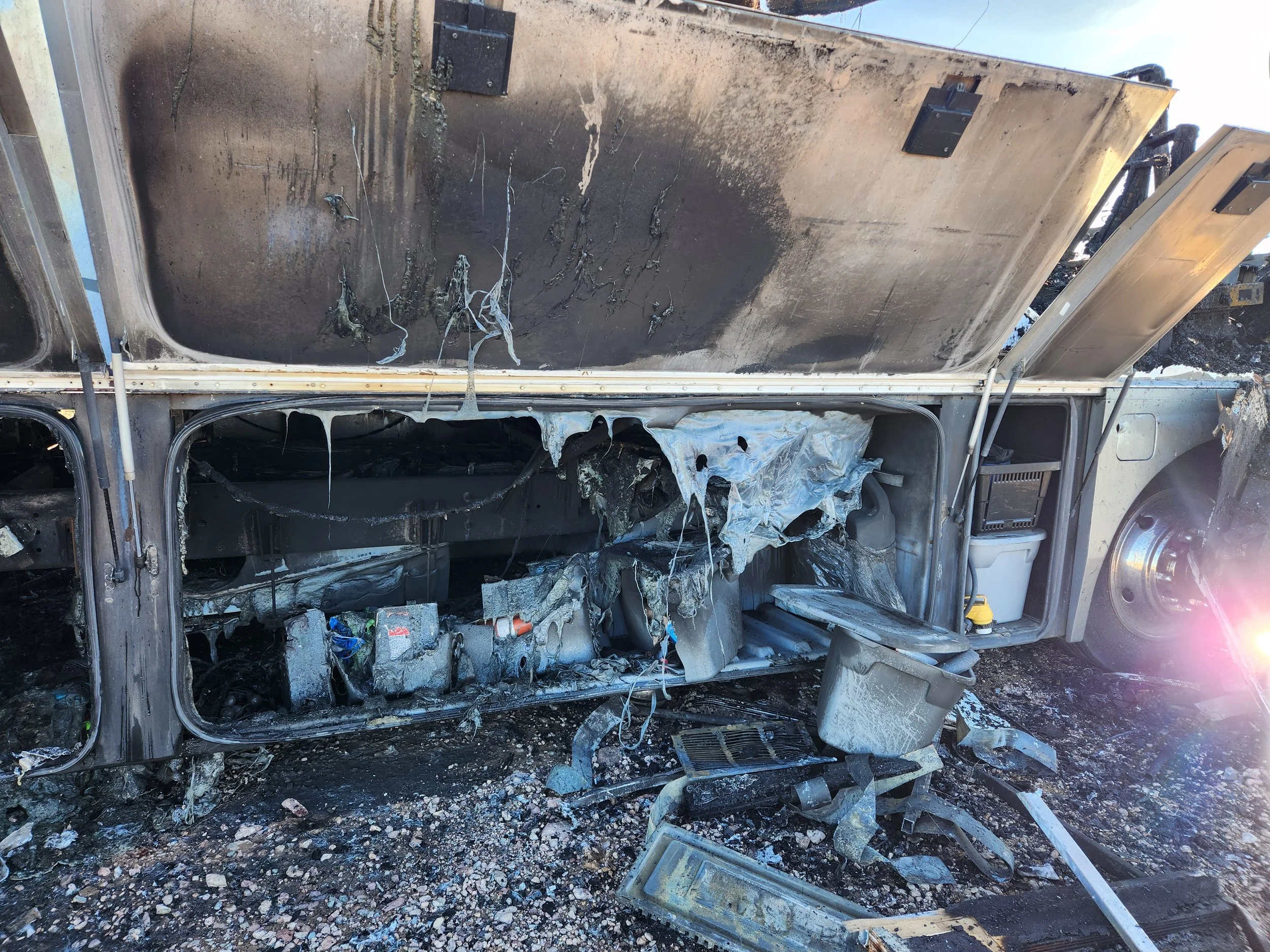
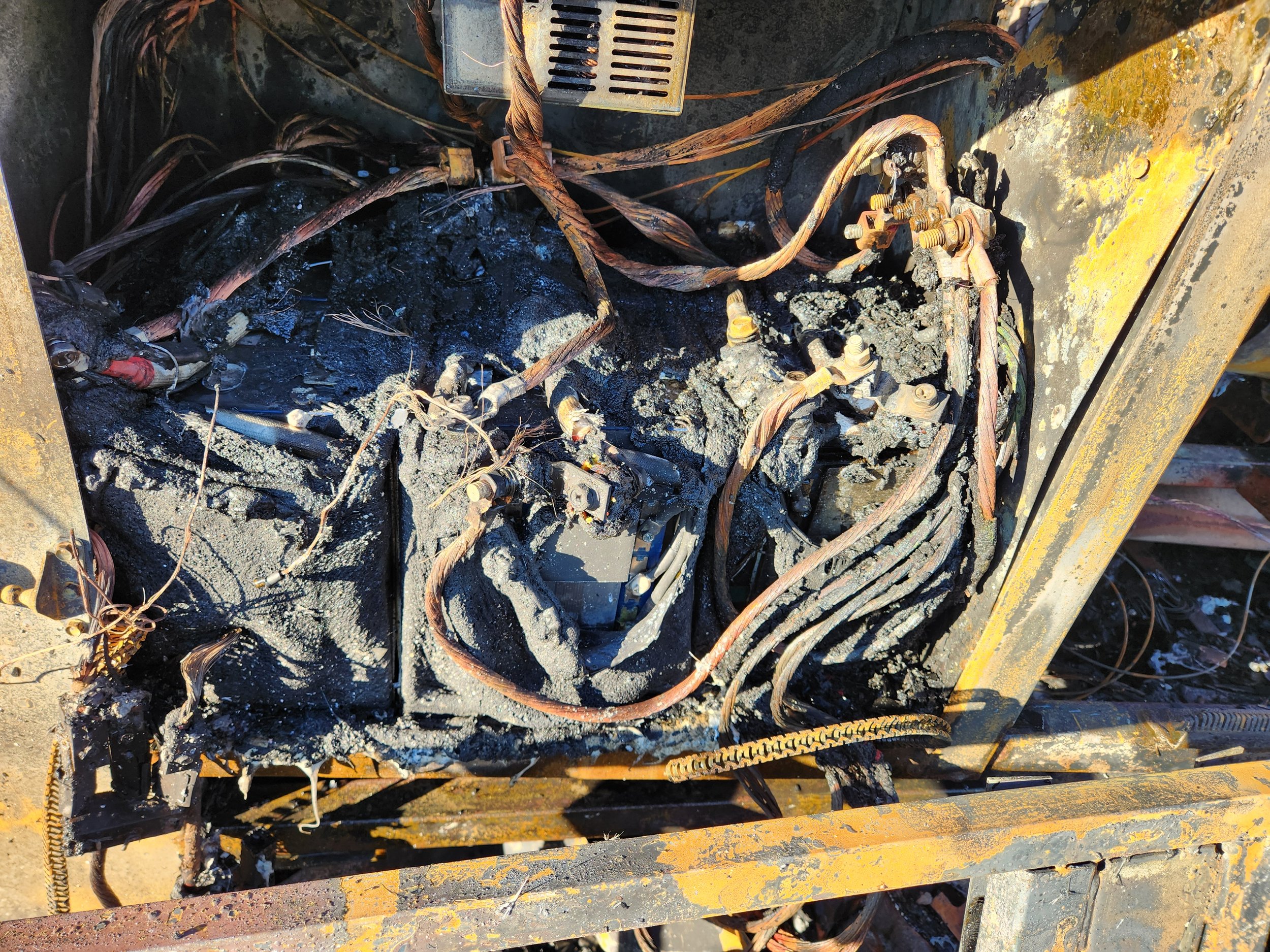
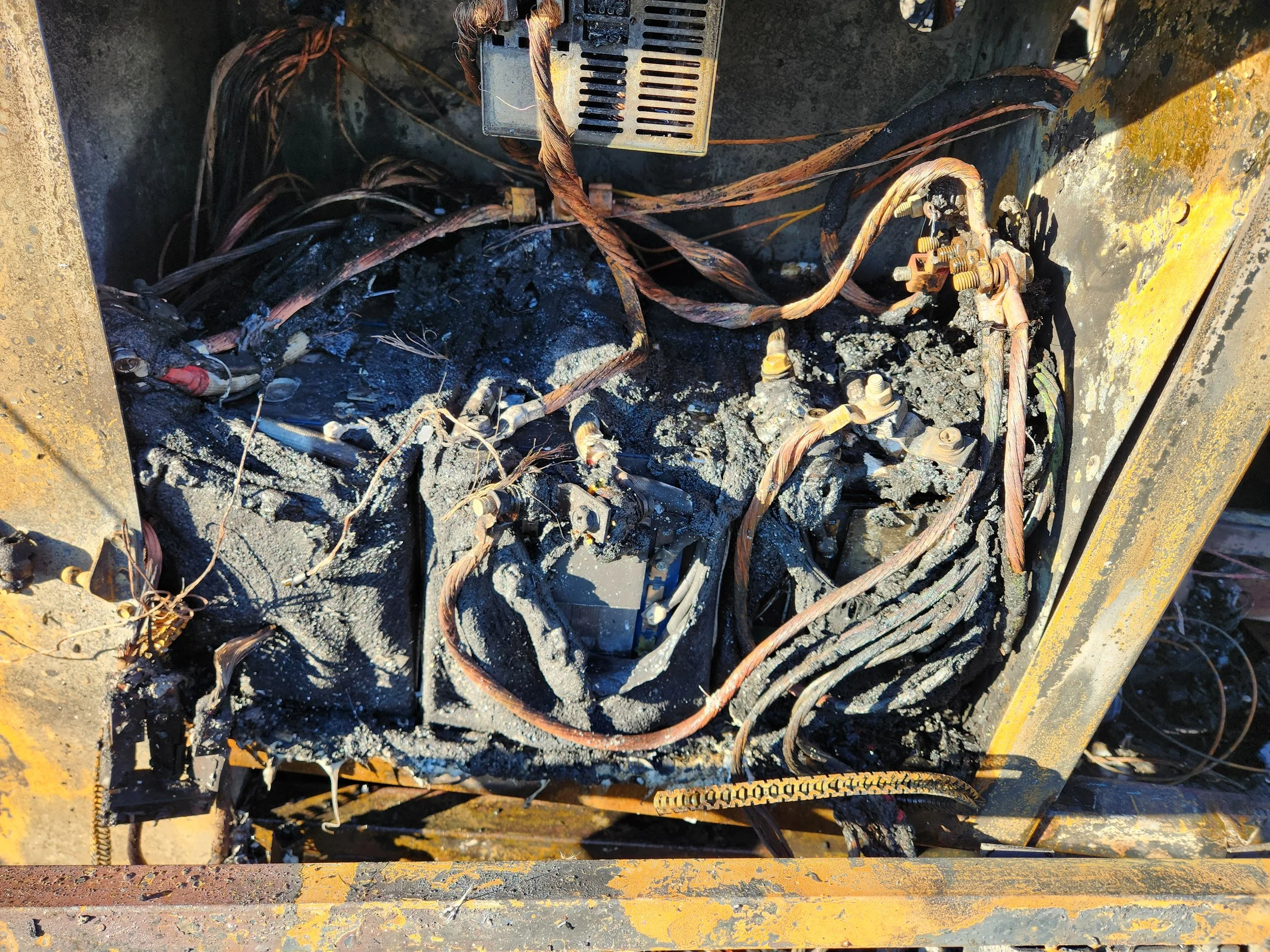
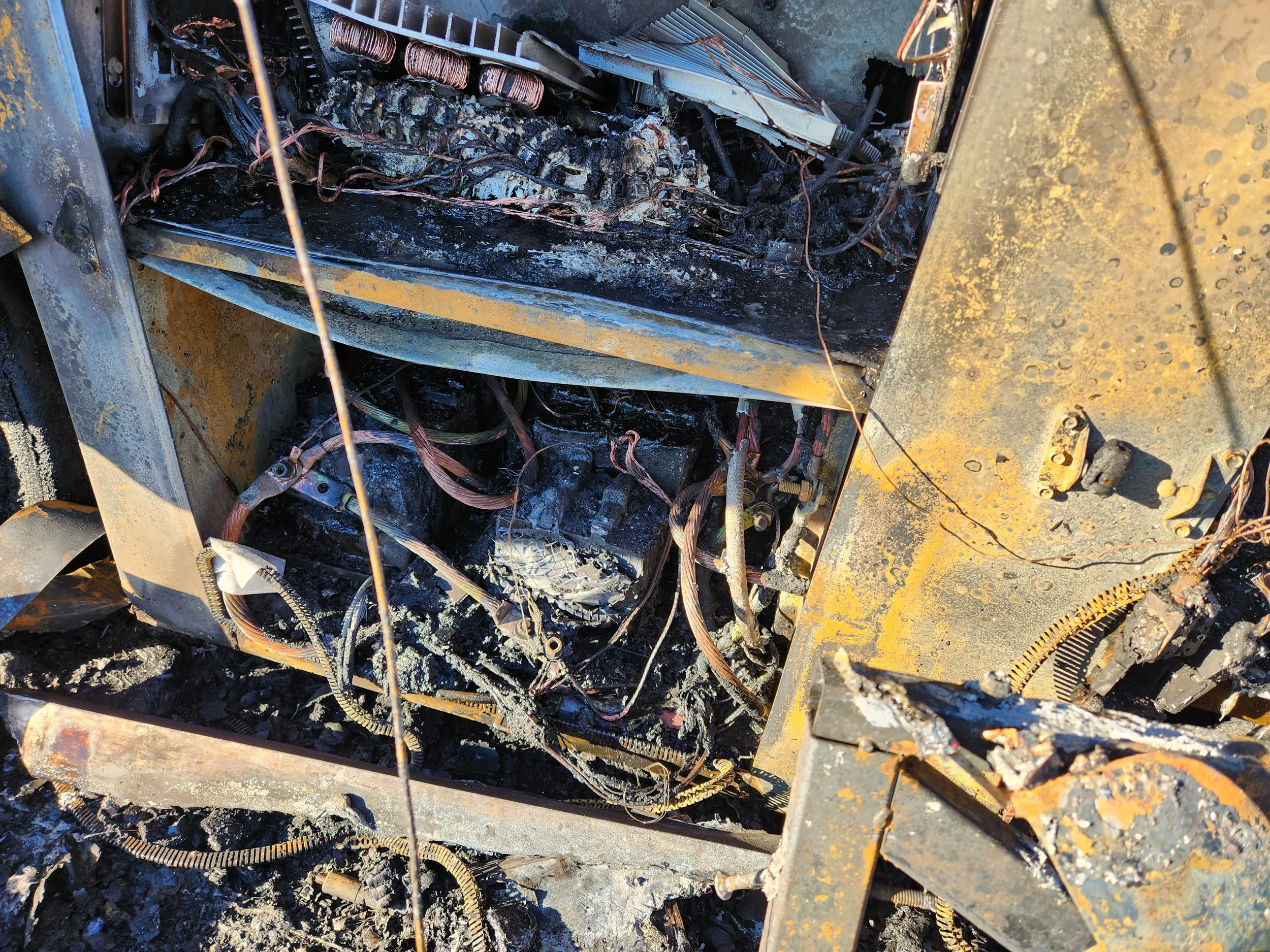
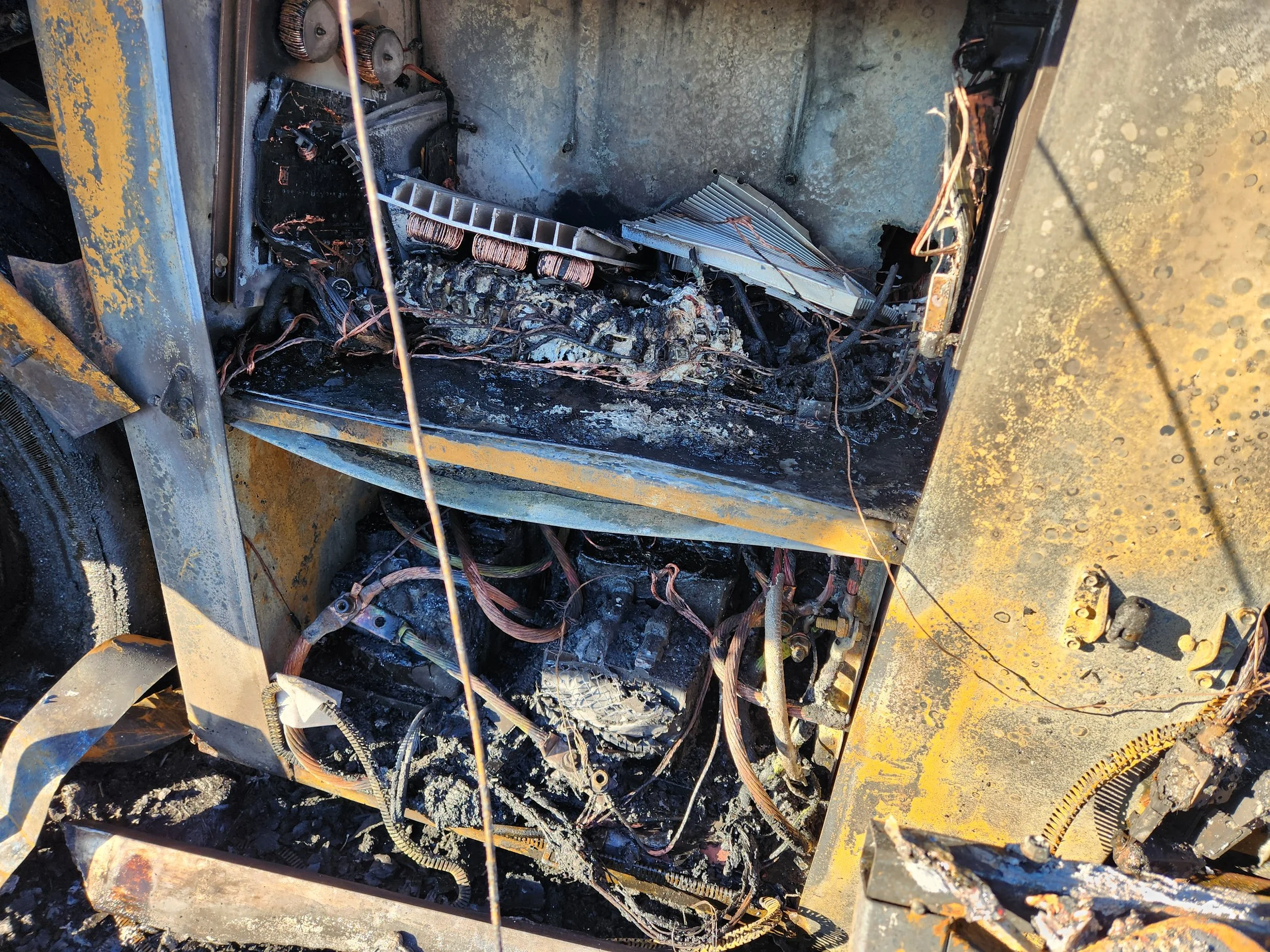
Nobody likes watching an RV burn down, but as fate would have it, I got a front row seat. I was talking to my friend at camp when he pointed behind me. I turned around to see this random motorhome on fire, a big smoke plume rising in the air. It was only a 5-minute walk from my campsite, and it happened in just moments. We watched and listened to the bangs and pops as the batteries and propane tanks exploded one by one. There was an E-bike hooked on the back, but we couldn’t do anything to save it. All we could do was watch and cover our faces to avoid breathing in the toxic fumes.
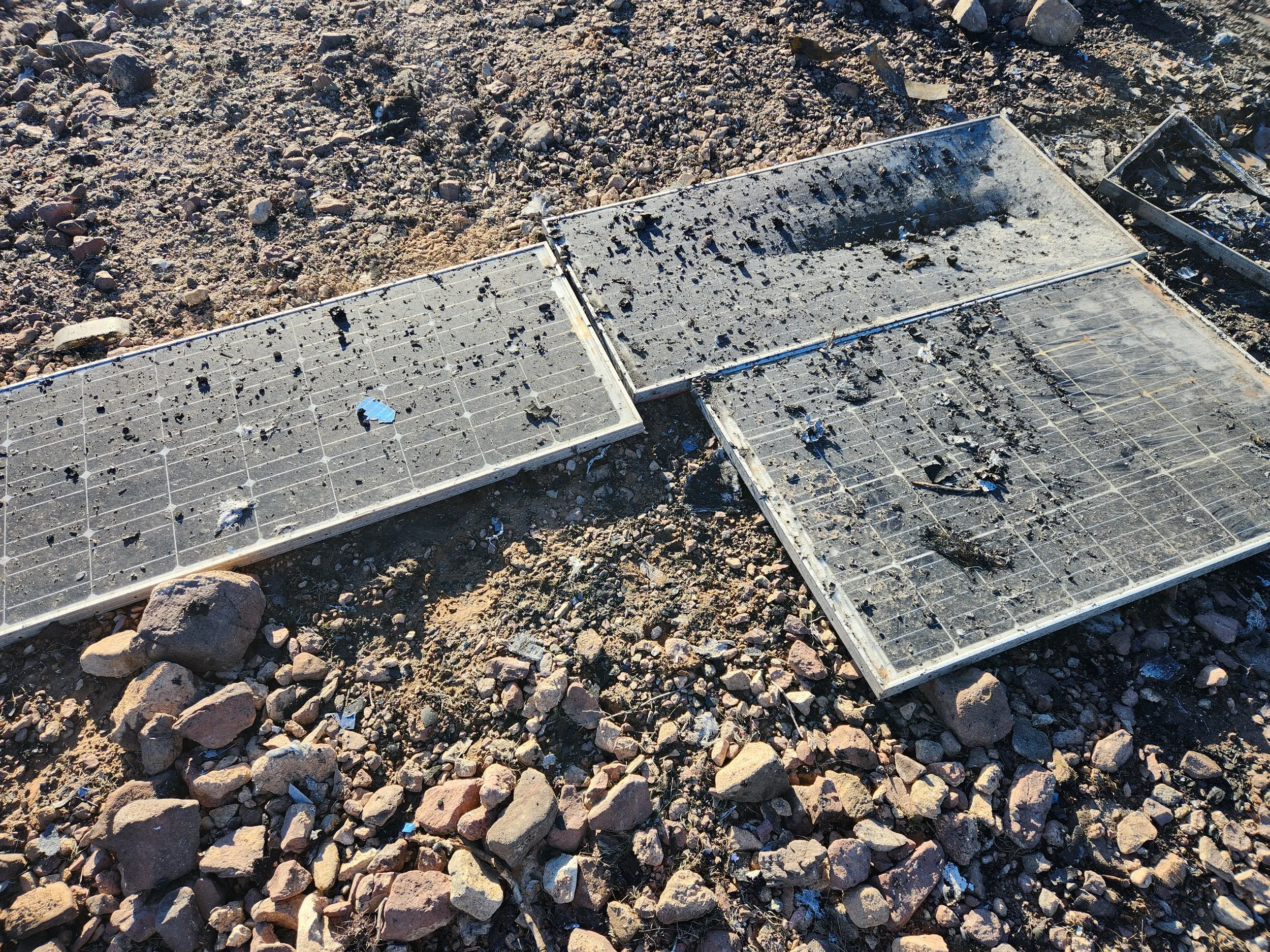
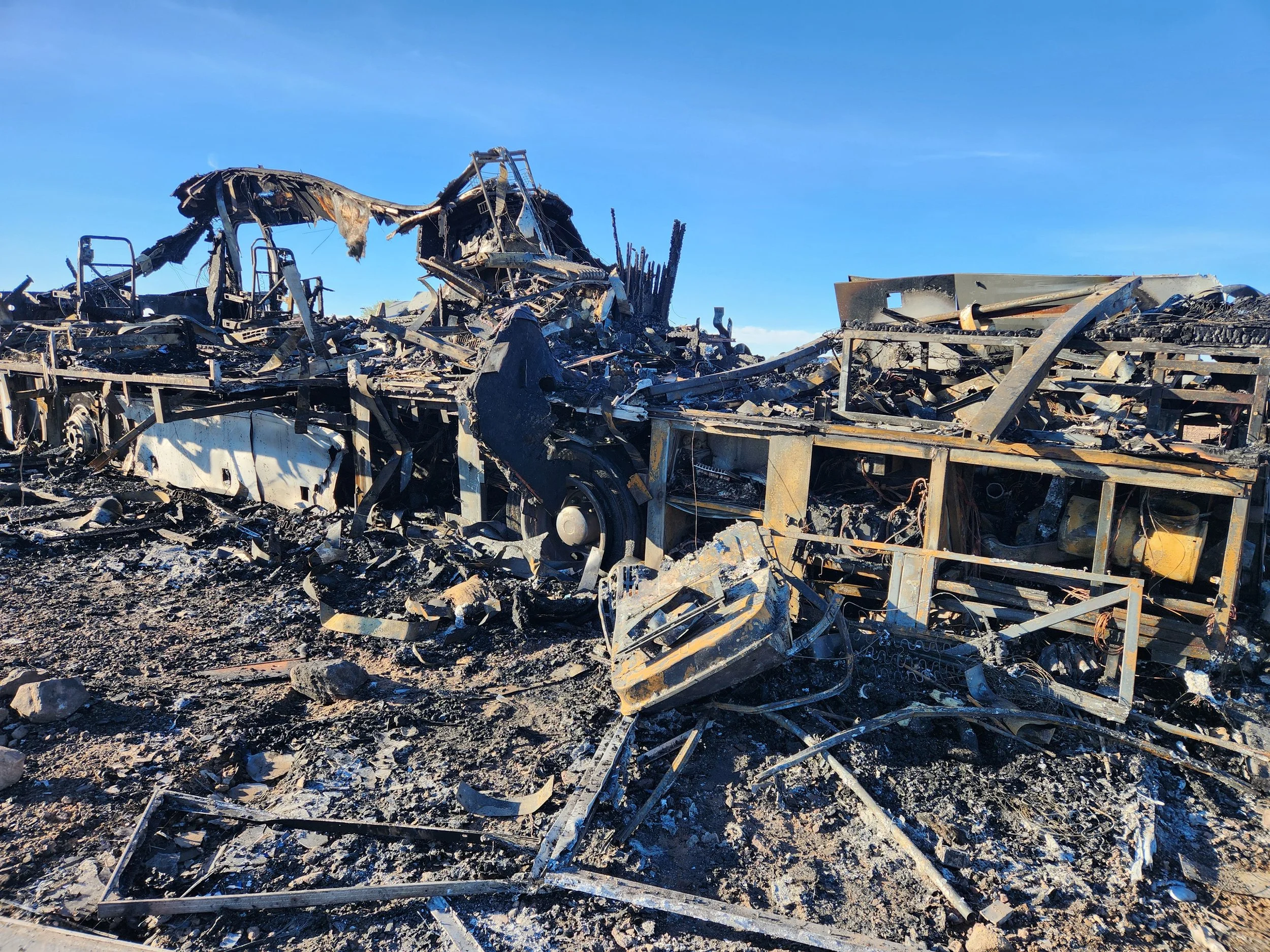
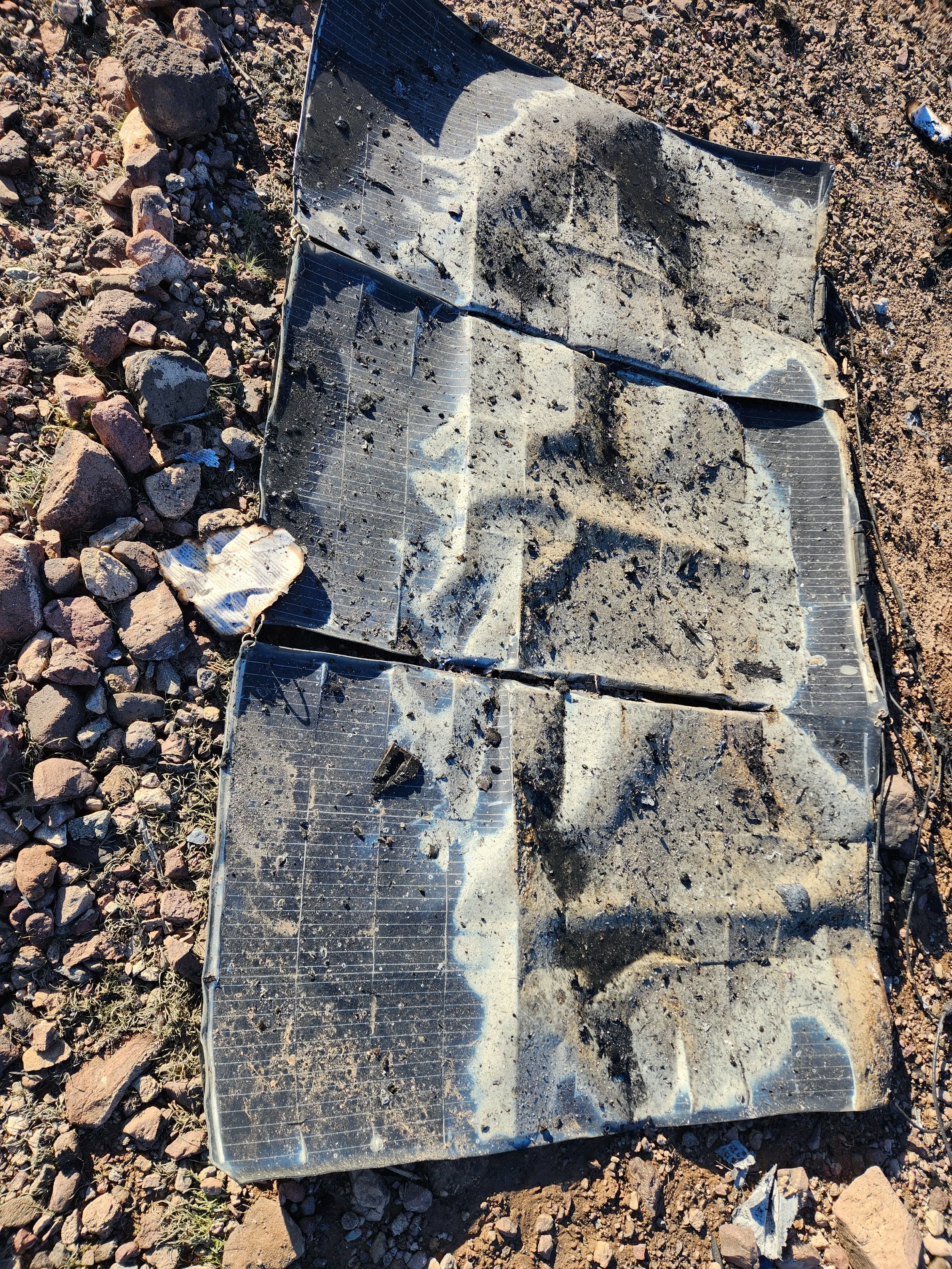
I went back to inspect, and sure enough, they had an aftermarket solar system installed on the rig. The battery compartment was on the driver side towards the rear, with 4-5 LFP batteries, MRBF fuses, 4/0 cable, and the remains of a still-buzzing inverter. That is the general location of where the fire started, as seen in the photos. Nobody would admit to it, but I was convinced this was caused by a loose battery connection that had finally given way to a fire. The lesson? Always retorque your electrical connections every few months on these bumpy roads, or hire us to do it for you.